

They Rode In on Scooters, Torched the Shops and Left: The Fire in Shuto Orizari Burned for Three Hours, Setting It Took Fifty Seconds
13.09.2026


13.09.2026

13.09.2026

13.09.2026

13.09.2026

13.09.2026
13.09.2026
13.09.2026

12.09.2026

11.09.2026

13.09.2026

13.09.2026

12.09.2026

13.09.2026

13.09.2026

13.09.2026

13.09.2026

12.09.2026

11.09.2026

13.09.2026

13.09.2026

13.09.2026
13.09.2026

13.09.2026

12.09.2026

09.03.2026

27.02.2026

19.02.2026

13.09.2026

12.09.2026

11.09.2026

23.04.2026

23.04.2026

12.04.2026

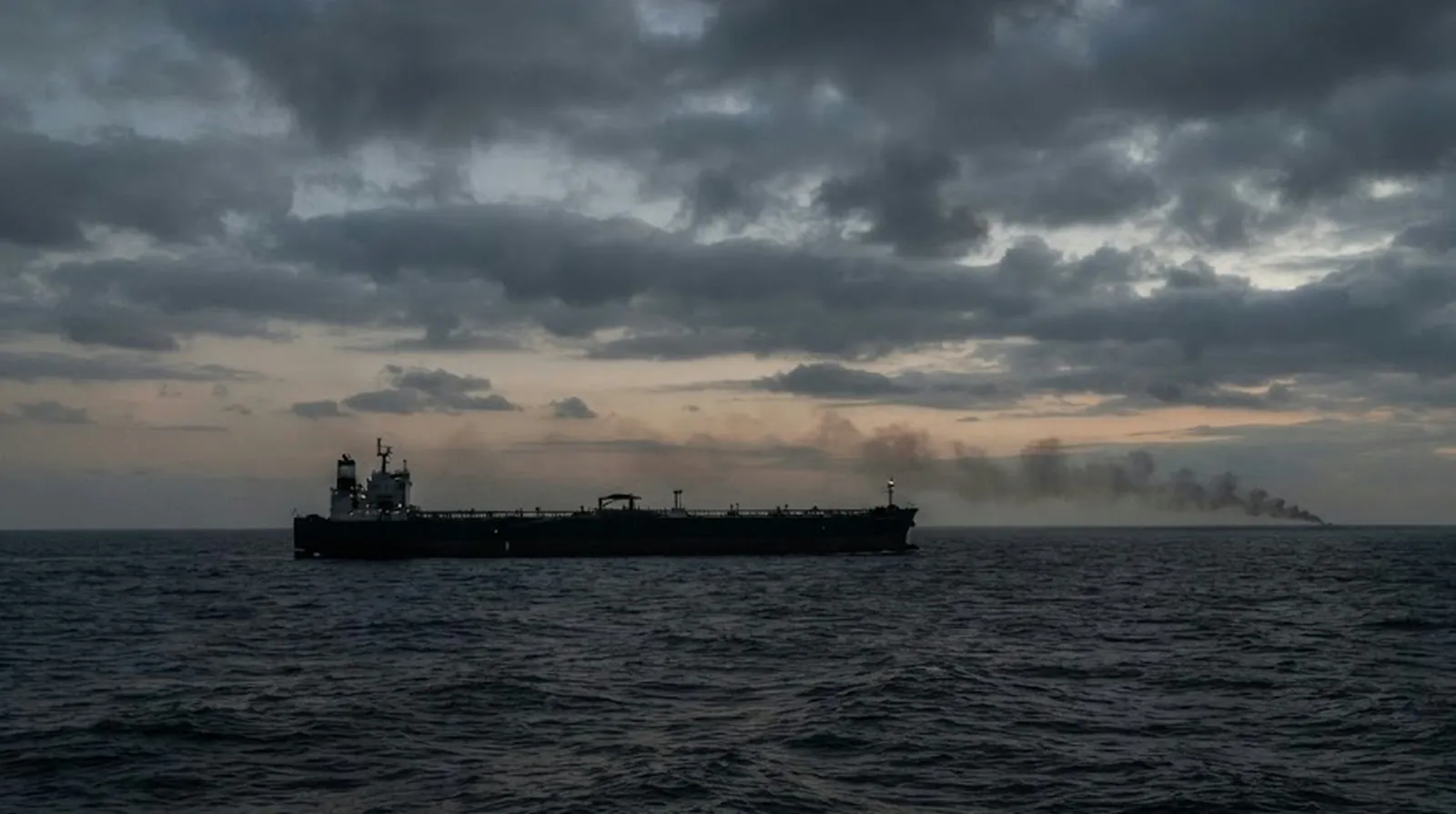
The Gulf is burning again, and the world is counting barrels again. On Friday, Saudi Arabia struck the Houthis in the Yemeni port of Hodeidah and on the nearby island of Kamaran, in response to the naval blockade and attacks on Saudi ships. The Houthis did not stay silent - their spokesman Ansarollah claimed responsibility for a missile strike on the Saudi city of Jizan, where fires broke out.
In the same current, US forces disabled a tanker in the Gulf of Oman after, as they claim, the crew tried to break the American blockade of Iranian ports. It is the second commercial ship they have taken out of play this month.
„We disabled the tanker after the crew tried to break the blockade at least four times”, said Captain Tim Hawkins. Four times - a figure that says this is not an incident, but the rule of a game in which each side tests how far the other dares to go.
And Tehran is not sitting on its hands. Iran launched drone attacks on US military bases across the Middle East. Trump, for his part, keeps the door open: „We are talking with them. I think they are serious... but that does not mean we will reach a deal.” They talk while the drones fly - a familiar scene for anyone who has watched how you negotiate once the shooting has started.
The bill is written by oil
The price of crude oil this week crossed the 100-dollar-per-barrel line - the highest level since May - over fears about shipping through the Red Sea. But then Brent fell by over 4 dollars on Friday, to around 96 dollars, after two Chinese supertankers passed successfully through the Bab el-Mandeb strait. The market, then, breathes according to whether one ship will pass or not - that is how thin the thread on which the global fuel price hangs.
And when a barrel jumps over 100 dollars in a week, then falls by over 4 in a day - and all of it depends on whether two Chinese tankers pass through one throat - then it becomes clear how unstable the foundation of the global fuel price is. The Balkans, which import almost everything they burn, have not a single lever in that game. Do we really think we can only watch?
Diplomacy runs after the events
An Omani delegation arrived in Tehran for talks over the Strait of Hormuz - the narrowest throat through which a large part of the world's oil passes. Next week in London an American-British maritime security conference is scheduled, at which Defence Secretary Pete Hegseth and the chairman of the joint chiefs of staff Dan Caine are expected.
All of it looks like a familiar pattern: first the tanks and the tankers, and only then the negotiating table. The Balkans know this scene by heart - when force speaks first, diplomacy usually arrives to count the damage. The only question is how dearly it will cost us this time to wait for some grown-up in the room to say „enough”.
The latest 10 news from this category
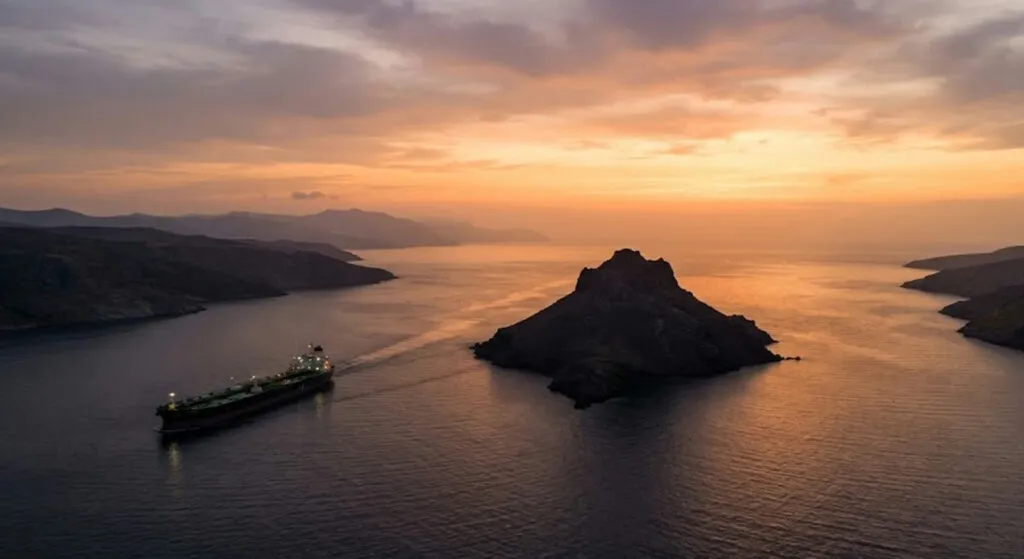
A barren volcanic rock in the middle of a strait 28 kilometres wide changed the oil market in a single...
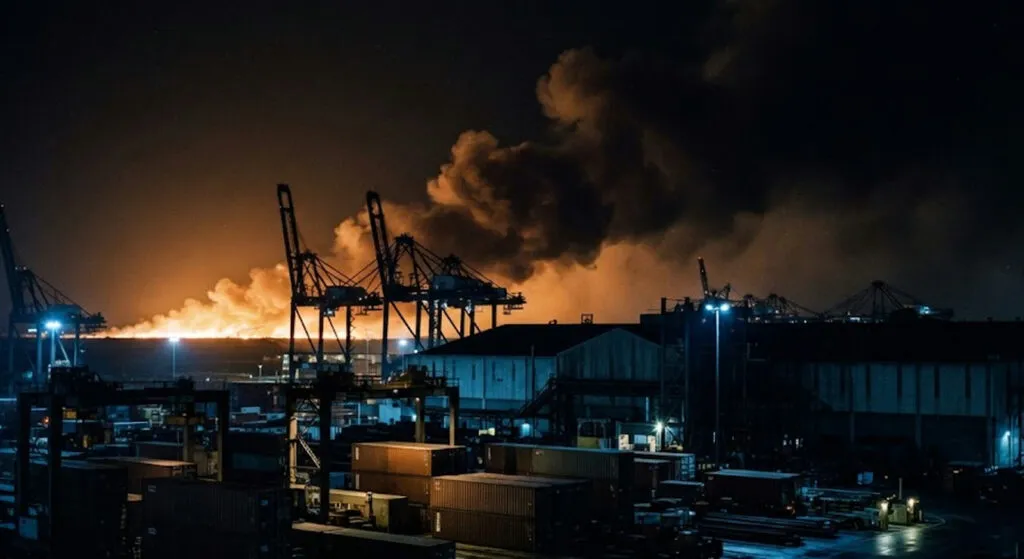
Hostomel, Odesa, Kryvyi Rih - targets that are not the front line but the supply chain. A war against the...

We don't want war with Europe, but here is exactly how that war would start. He said both sentences in...

When an army recalls its special forces with a 12-hour deadline, that is not a rota but a signal. The...

Port infrastructure in Makhachkala and the theatre building caught fire, the governor said. Moscow claims it shot down 448 drones...
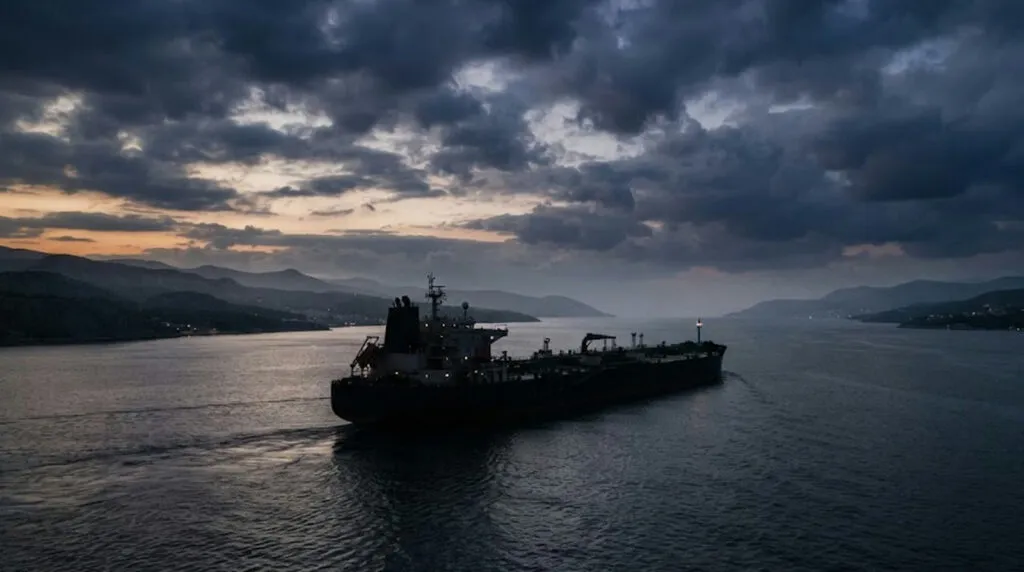
Tehran says it hit around ten ships, Washington says it destroyed five Iranian tankers and that its own vessel is...
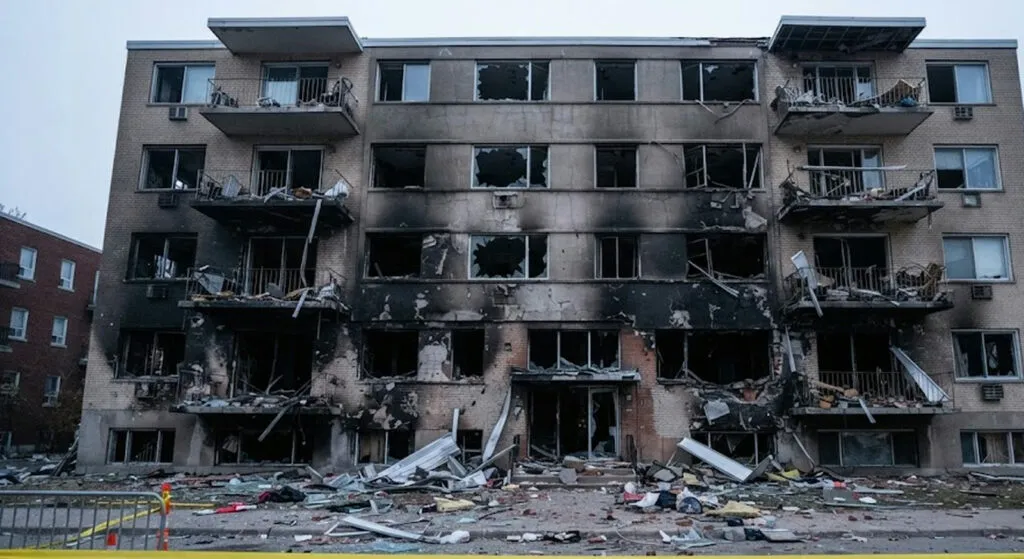
Residential buildings, a kindergarten and an Orthodox church damaged in Russia's largest Black Sea port. Four dead and 29 injured...
When there are no air-to-air missiles left, what remains is a 20mm cannon - and that means the pilot has...
In public - constructive talks. In private, according to an MP in the Verkhovna Rada, the envoys arrived with tougher...
Witkoff and Kushner spent three hours in the Kremlin and came out with an agreement in principle. November was not...
This site uses cookies - is that okay? Learn more
Be the first to know when Metla launches something new
Leave your email and we will write when there is a new guide or something new on Metla.
