
Studeničani: 35-year-old dies after being electrocuted while washing his car with a pressure washer
18.09.2026


18.09.2026
18.09.2026

18.09.2026
18.09.2026

18.09.2026
18.09.2026
18.09.2026

17.09.2026
16.09.2026
18.09.2026

18.09.2026
17.09.2026

18.09.2026
18.09.2026

18.09.2026

18.09.2026

17.09.2026

16.09.2026
18.09.2026

18.09.2026
18.09.2026

18.09.2026

17.09.2026

17.09.2026

09.03.2026

27.02.2026

19.02.2026
18.09.2026
17.09.2026
16.09.2026

23.04.2026

23.04.2026

12.04.2026

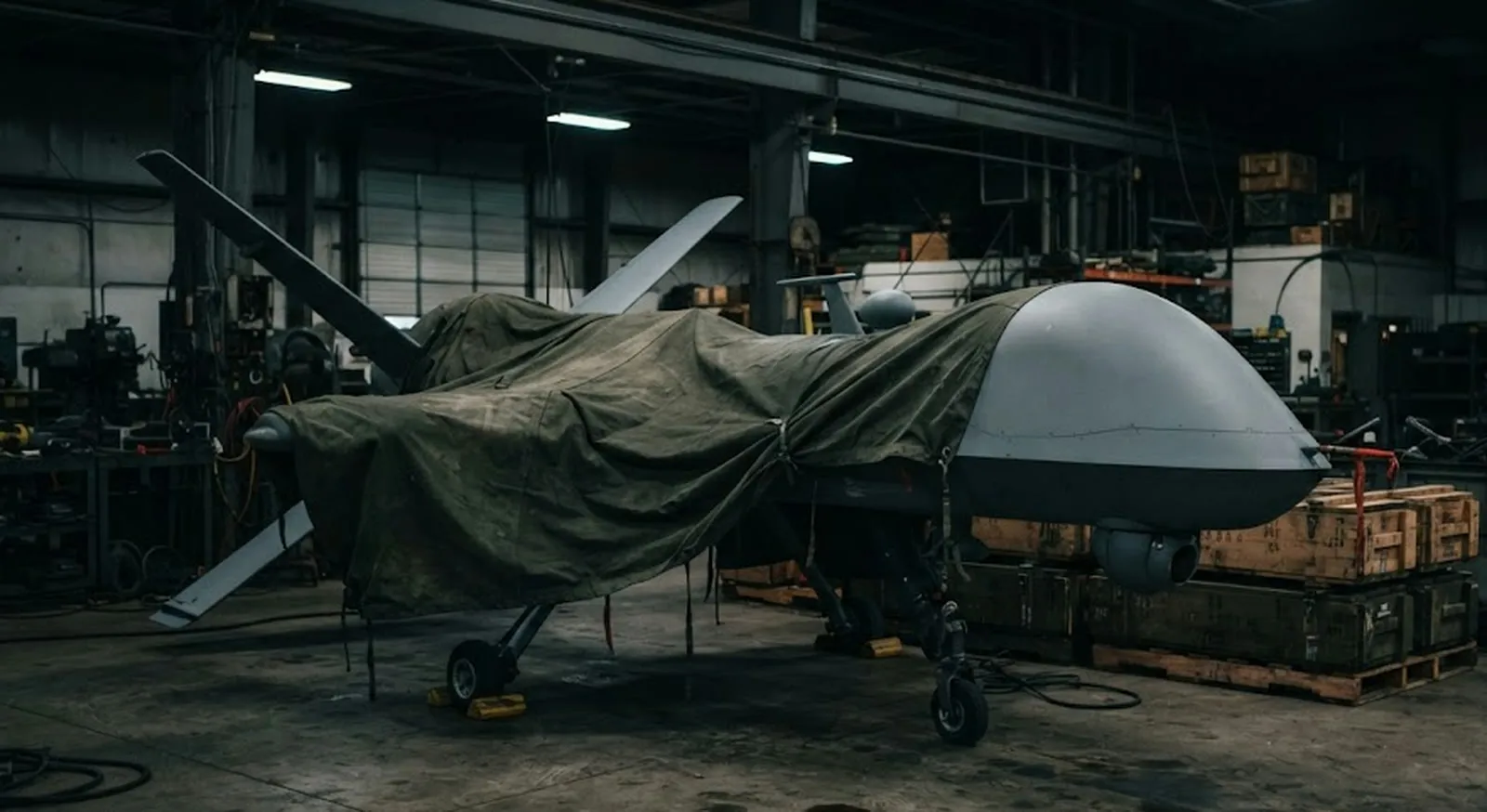
While some European governments freeze military cooperation with Israel under pressure from their own streets, Belgrade is heading in the opposite direction. And not quietly - with invoices.
The numbers tell the story. In the whole of 2023, up to October, Serbian arms exports to Israel totalled 540,000 euros. By mid-2024, that same export had reached 16.3 million euros. In 2025 it jumped by 140 percent to 114 million euros, with 38 Serbian cargo flights to Israel in that year alone. This is not incidental trade. This is a strategic decision.
Four days for a permit
The beginning is the most telling part. According to published accounts, Israeli representatives contacted their Serbian counterparts on 8 October, the day after the Hamas attack. They asked for ammunition. The export permit was issued in four days, and the shipments left for the Israeli air base at Nevatim. Four days. How long does it take in Belgrade to get a permit for something less delicate than ammunition in a war zone?
UN special rapporteur Francesca Albanese, during a visit to Belgrade in March, accused the Serbian authorities of cooperating with Israel "shamelessly". The accusation did not change the dynamic. Benjamin Netanyahu publicly thanked Aleksandar Vučić back in February 2024 for Serbia's "unwavering support, in word and deed", calling him "a true friend of Israel".
What Belgrade gets in return
The weapons do not move in only one direction. The key contract with the Israeli company Elbit Systems is worth 1.6 billion dollars and runs for five years. It covers production of reconnaissance and combat drones in Serbia, development of loitering munitions, precision long-range artillery rockets and electronic warfare systems. Serbia had already bought PULS rocket systems and Hermes 900 drones. During 2026, Belgrade and Jerusalem also signed an agreement to ease the exchange of intelligence and defence data.
That means combat drones built on Israeli technology are being produced next door. Not imported - produced. The difference is fundamental: an import is a transaction, production is a capability that stays.
The balancing act nobody names
For years Serbia has cultivated the image of a country caught between Russia and the West, forever vague, forever undecided. The reality is different and far more calculated. Russia is the traditional arms supplier, China has moved strongly into air defence and drones, and Israel and France exist so that Belgrade does not depend on either of the first two. This is not indecision. This is diversification, executed better than many in the region want to admit.
There is a second layer. Serbia is the land corridor between southeastern Europe and the rest of the continent, and with the new trade routes - particularly the India-Middle East-Europe one - Belgrade is positioning itself as a logistics point that will be hard to bypass.
Meanwhile, Turkey is strengthening defence ties with Croatia, Albania and Kosovo. So none of the neighbours is sitting on its hands, and the Balkans are slowly being distributed among external military patrons. The question nobody asks out loud is simple: who pays the price when everybody around is stockpiling weapons, and nobody has a regional agreement on what they will do with them?
The latest 10 news from this category
The call was about damaged furniture on a terrace. Armin Dzutovic died three days later. The internal investigation found first...
Four KLA leaders received 81 years in prison, and Albania's parliament immediately adopted a declaration calling the verdict unjust. The...
The court established responsibility for 96 killed, 303 tortured and 385 unlawfully detained. The prosecution asked for 45 years. Serbia...
Thaci and Krasniqi got 25 years each, Veseli 18, Selimi 13. The court established 385 unlawfully detained, 303 tortured and...
"If it is acceptable to the participants" - that is the entire offer. What gets negotiated is the format, not...
Thousands walked from the Rectorate to the electoral commission, and the signatures had to be queued for all weekend because...
Thousands of people under a digital clock and a banner asking for them to be found innocent. On Wednesday The...
The ruling list sailed through without a single problem, the student list was left waiting in line. Nobody banned anything...
The same firm that supplied ammunition to Ukraine for years is burning for the second time in a month. Seven...
A third attempt in three years, but this time the signatures came from the government benches too. Six MPs from...
This site uses cookies - is that okay? Learn more
Be the first to know when Metla launches something new
Leave your email and we will write when there is a new guide or something new on Metla.
