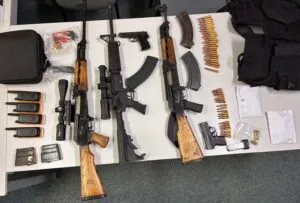
A sniper rifle, automatic weapons and an ISIS flag from 12 locations in Skopje: intelligence agency talks of radical imams and recruiting young people
30.09.2026


30.09.2026

30.09.2026
30.09.2026
30.09.2026

30.09.2026

30.09.2026

30.09.2026
29.09.2026

28.09.2026

30.09.2026

30.09.2026
29.09.2026
30.09.2026

30.09.2026
30.09.2026

30.09.2026
29.09.2026
28.09.2026
30.09.2026

30.09.2026

30.09.2026

09.03.2026

27.02.2026

19.02.2026
30.09.2026
29.09.2026
28.09.2026

23.04.2026

23.04.2026

12.04.2026

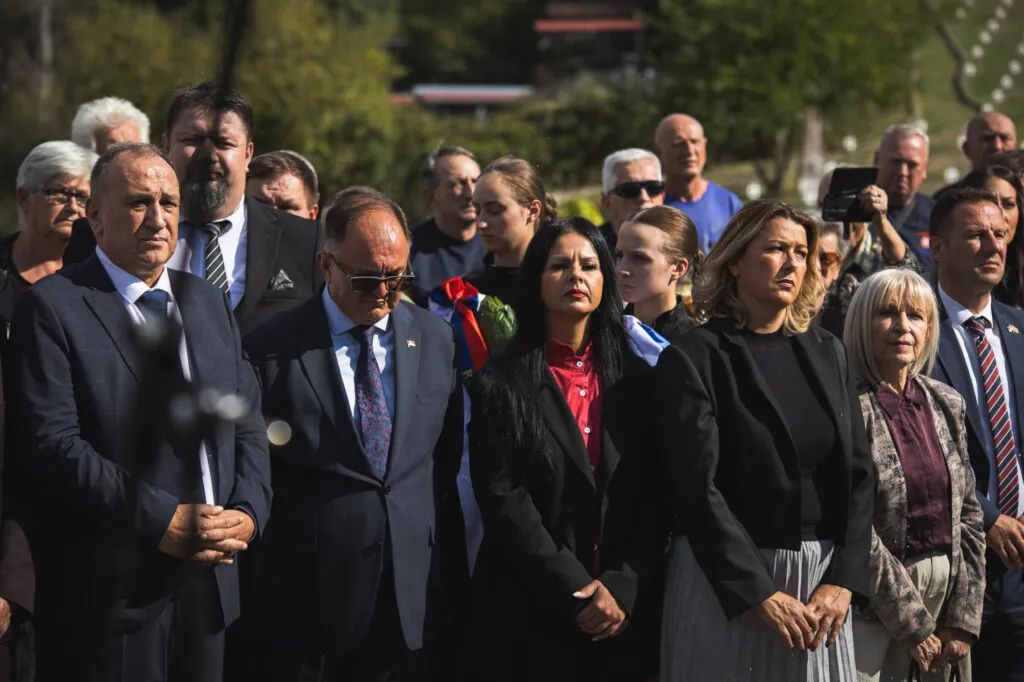
Exactly 110 years ago, on September 30, 1916, after 18 days of non-stop fighting, the Serbian army finally took the summit of Kajmakchalan. In Bitola, a two-day commemoration of the battle opened with fresh flowers laid at the Serbian Military Cemetery, organised by the Community of Serbs in Macedonia - Bitola.
The battle was fought from September 12 to 30, 1916, between Serbian and Bulgarian forces, as part of the Monastir Offensive on the Salonika Front. The summit of Mount Nidzhe, at 2,524 metres above sea level, was the key to controlling the Pelagonia basin and the road to Bitola. Soldiers fought in fog, icy winds and snow, and because the layer of soil was so thin, they built their barricades out of stone slabs. The peak changed hands between the two armies several times. The price: around 5,000 dead, wounded and missing. On the Serbian side fought Colonel Krsta Smiljanic's Drina Division and the volunteer detachments of Vojvoda Vuk.
"You all know what Kajmakchalan is, you know what the Serbian military cemetery here means, where the bones of our heroes lie. If it weren't for them, we wouldn't be here either," said the Community's president, Zoran Zhugic, recalling that thirty years ago far fewer people came to the commemoration.
The strongest words came from Belgrade. Serbia's Minister for Labour, Employment, Veterans and Social Affairs, Milica Djurdjevic Stamenkovski, called the cemetery a shrine and proof of the "eternal brotherhood" between Macedonians and Serbs, adding that 110 years on "we find ourselves in situations where we have to hold back when we say we are closest to one another." Bitola's deputy mayor, Marina Krstic, also laid flowers, and the programme continued with an academy titled "110 Years Since Kajmakchalan" at the Officers' Club.
For Macedonia, Kajmakchalan is part of a bigger and harder story. The Salonika Front was a time when foreign armies fought on Macedonian soil and the local population paid the price of a war it did not start. Remembering the fallen is dignified and legitimate. The question is a different one: when will what this land lived through, while others fought over it, be commemorated with the same care?
The latest 10 news from this category
24 measures proposed by young people, 13 already delivered. A good start - but will it keep the ones who...
The list of purposes is long, and the amount appears nowhere in the press release. Macedonia's oldest national park deserves...

The union is standing fully behind the veteran editor. When "redundancy" has only one name on it, the question is...
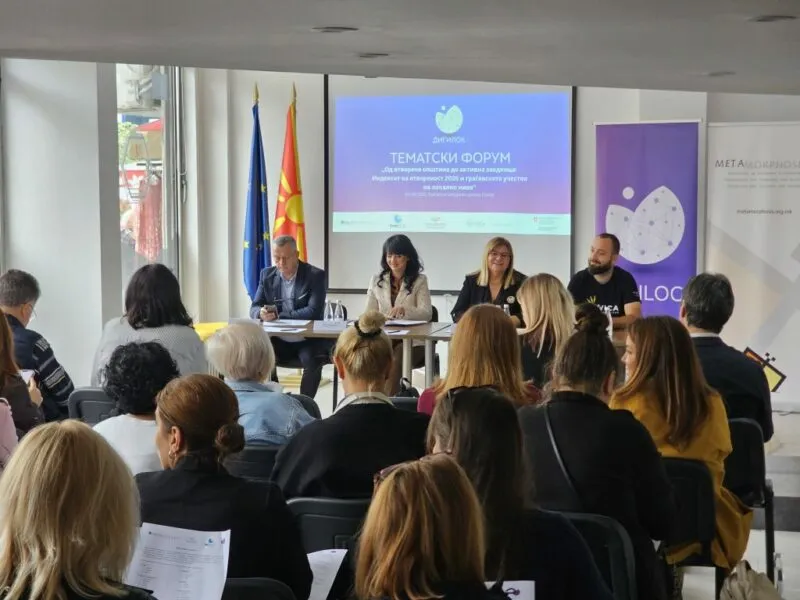
The 2026 Openness Index shows a one-point drop on last year. The best performers use a digital platform - but...
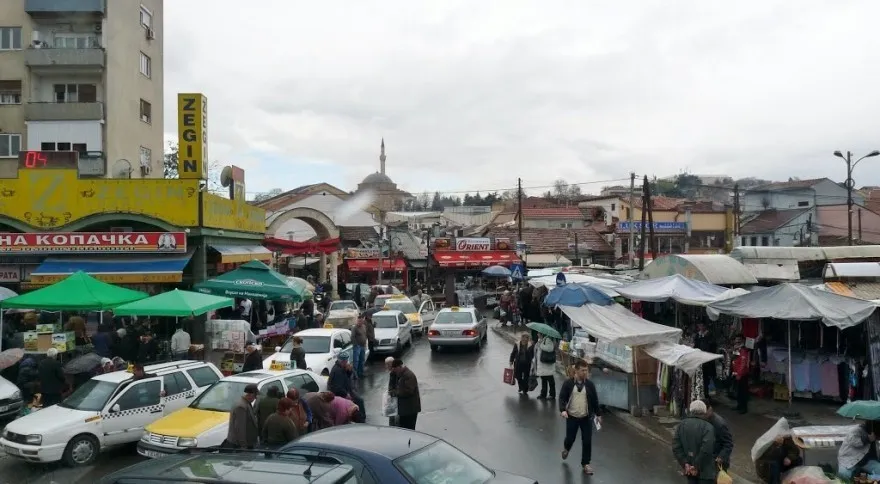
Inspectors, municipal officers and police cleared the boulevard from Mavrovka to Bit Pazar. The pavement belongs to pedestrians again -...

The deal was signed on September 9, and the public only saw it after a month of questions. The deadlines...
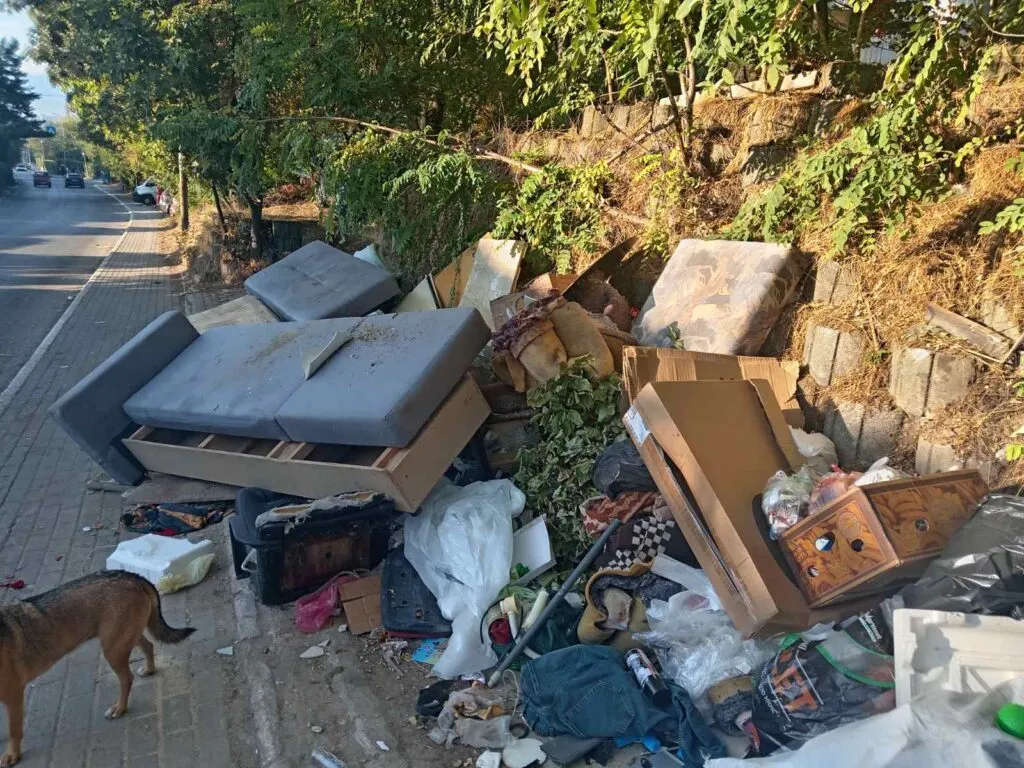
The eco-patrol wrote up 15 reports while crews hauled 915 cubic metres of waste off the streets. A free drop-off...
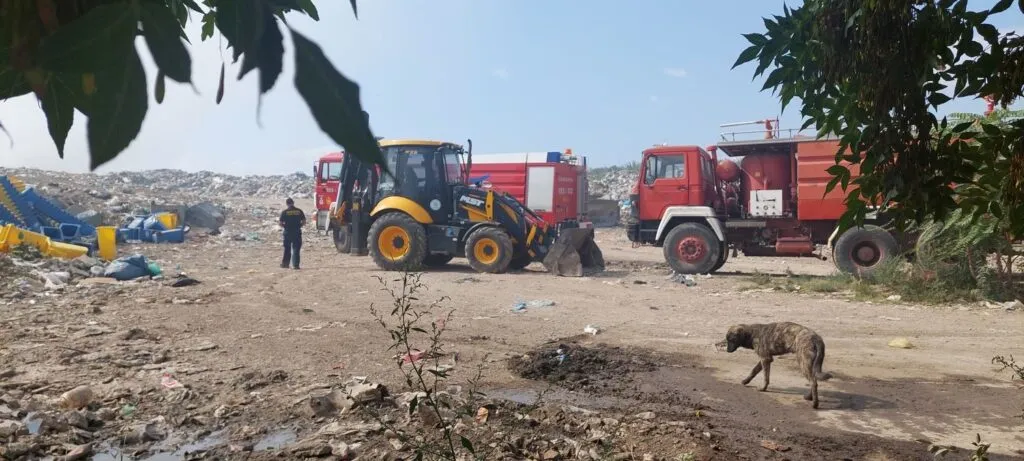
Seven villages with more than 5,000 people are breathing smoke from the landfill. The municipality promises machinery within two days,...
The list is long - streets, car parks, scholarships, festivals. There are no figures in the report, and some of...
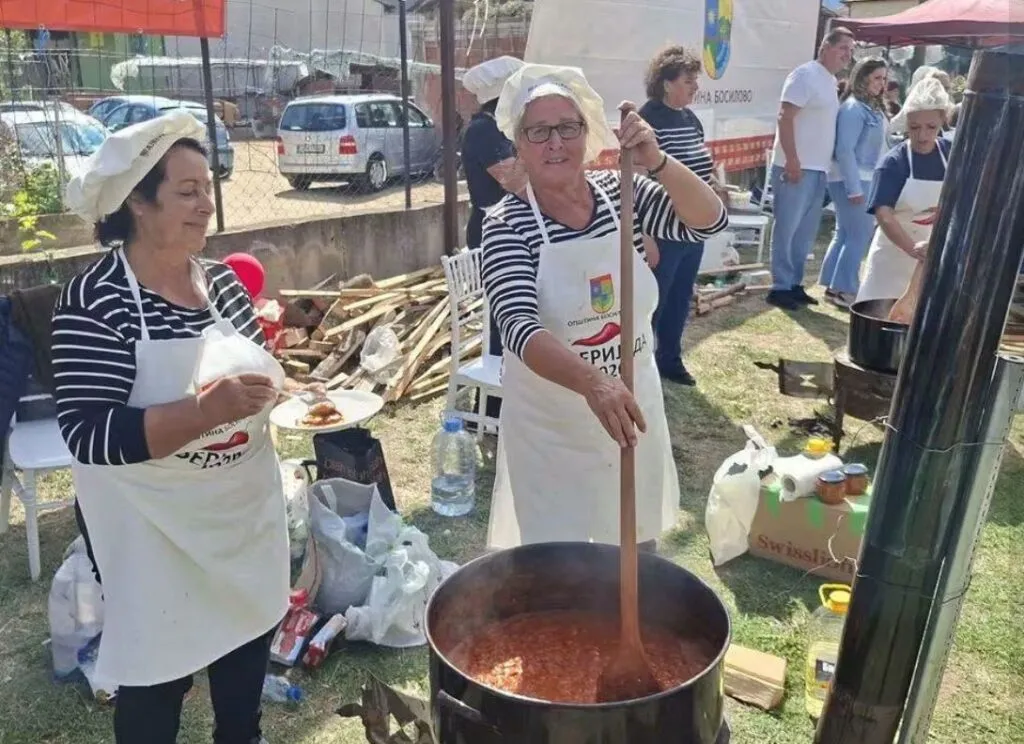
Housewives, wood stoves, red peppers and homemade cheese. A tradition Bosilovo has been building for five years running - and...
This site uses cookies - is that okay? Learn more
Be the first to know when Metla launches something new
Leave your email and we will write when there is a new guide or something new on Metla.