

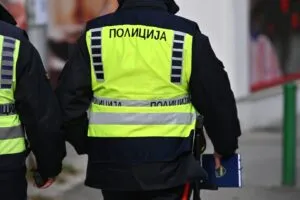
Thirteen hours between the report and the bodies: two Taiwanese nationals found dead in a Skopje flat
03.09.2026


03.09.2026
03.09.2026
03.09.2026
03.09.2026
03.09.2026

03.09.2026
03.09.2026

02.09.2026
01.09.2026

03.09.2026

03.09.2026

02.09.2026
03.09.2026

03.09.2026
03.09.2026

03.09.2026

02.09.2026
01.09.2026
03.09.2026

03.09.2026

03.09.2026

03.09.2026
02.09.2026
01.09.2026

09.03.2026

27.02.2026

19.02.2026
03.09.2026
02.09.2026
01.09.2026

23.04.2026

23.04.2026

12.04.2026
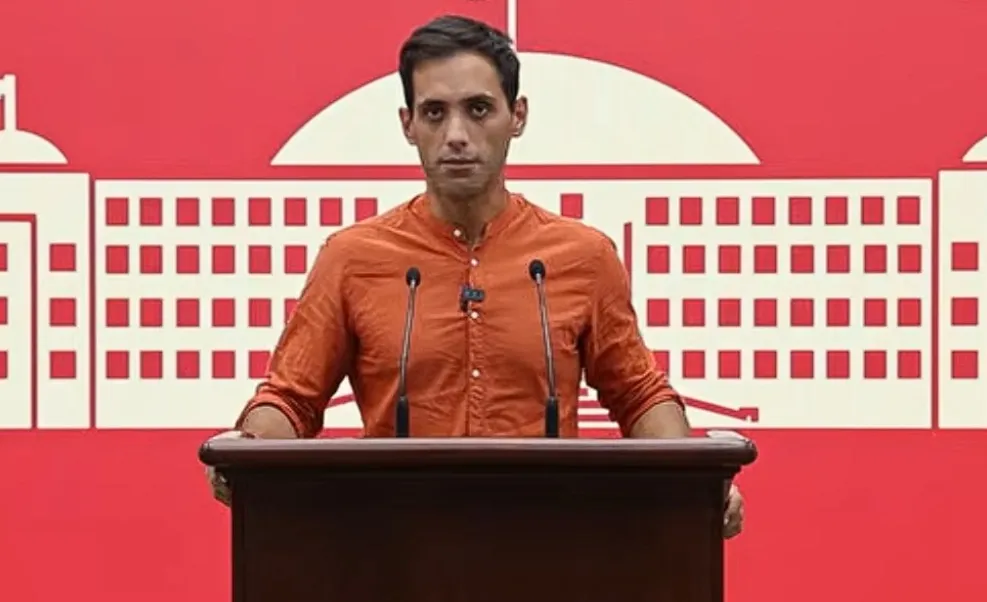
On the first day of school, education minister Vesna Janevska told first-graders they might want to ask for "a little brother and a little sister". The line was meant to be warm. The problem is who said it - the official in charge of the system - to whom, six-year-olds, and where: in a country that closed 26 schools in a single year.
The reply that arrived with numbers
Levica came back with a counter-proposal that has a law, a percentage and an amount attached. Its parliamentary group proposes that the state take over 20 percent of a family's remaining housing loan for every child born or adopted.
"Instead of minister Janevska's approach, we are proposing 20 percent for a little brother, 20 percent for a little sister," said MP Amar Mecinović, arguing that a demographic crisis is not solved with appeals but with material conditions and long-term policy.
Behind the proposal is a figure worth holding on to. Macedonian households owe almost 2 billion euros on housing loans alone - around 40 percent of all household debt. In one year that debt grew by 273 million euros. That is the context in which a family decides whether to have a second child: not an appeal, but a monthly instalment.
The schools already gave the answer
According to figures presented at the press conference, in one year there are 433 fewer classes, 3,000 fewer first-graders and 26 newly closed schools, bringing the country to a total of 148 empty schools.
That is not a forecast about the future. It is a list from this autumn. Every one of those 148 empty schools was built because somebody calculated there would be children there - and the calculation was correct at the moment it was made.
The reactions are sharp, but not all about the same thing
MP Jovana Mojsoska accused the government of running policies that give families no support: maternity payments running months late, a nursery place obtained by pleading, pregnant workers losing their jobs. "Minister Janevska, in the same style, told first-graders to ask for a little brother and sister, in a country with the lowest minimum wage in Europe and the widest social gaps," she wrote.
Part of that statement is verifiable data and part is a political judgement, and the two should be read separately. But the core of the objection does not depend on who says it: there is no demographic policy that consists of a message addressed to six-year-olds.
What is left on the table
Levica's proposal will be assessed in parliament, where an opposition bill has a well-known life expectancy. But its value is that it sets a measurable standard: 20 percent of a loan, per child, with a number that can be calculated and challenged.
If the government thinks that is the wrong solution, the fastest way to show it is to offer its own - with a percentage, an amount and a deadline. An appeal to first-graders is not a policy. It is a sentence for the cameras, in a country where the cameras are already filming empty classrooms.
The latest 10 news from this category
The manager of the firm that won all three contracts was a business partner of the state secretary's husband. An...
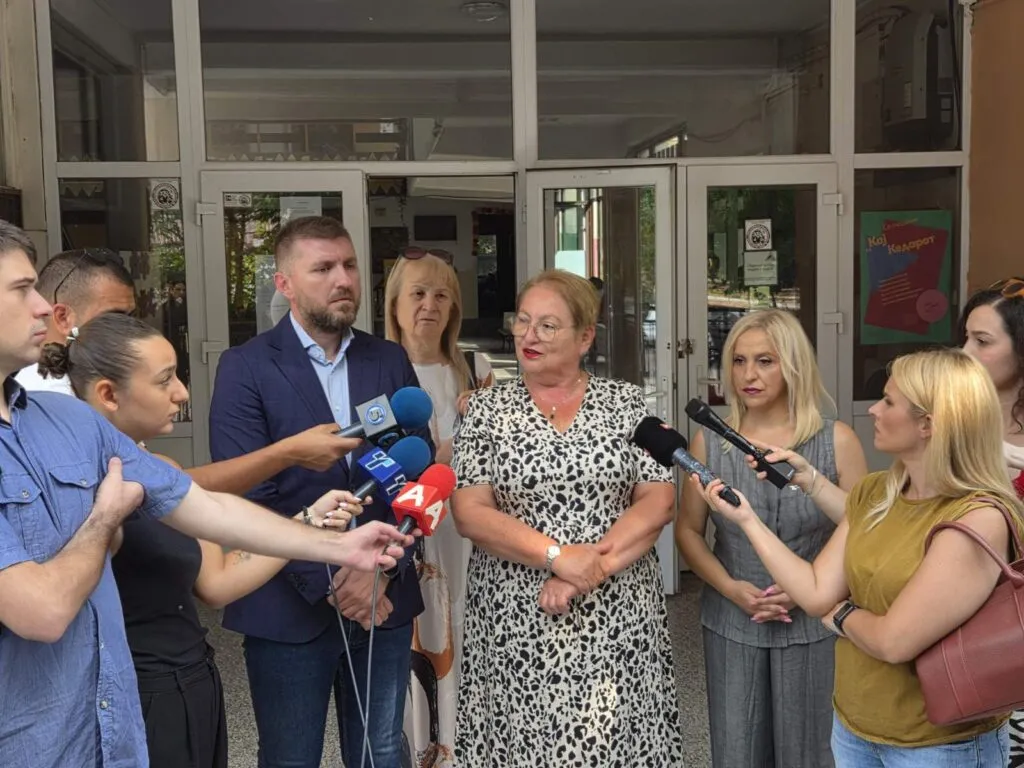
Around 3,000 fewer first-graders than last year and 148 school buildings with no pupils. Consolidation is a response to the...
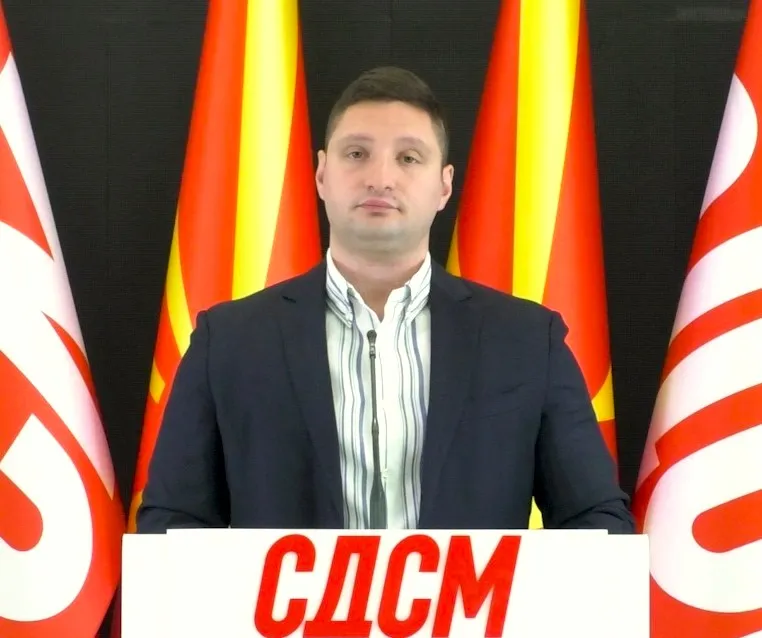
The opposition wants a resignation. But there is an older question first: what did the anti-corruption commission establish in the...
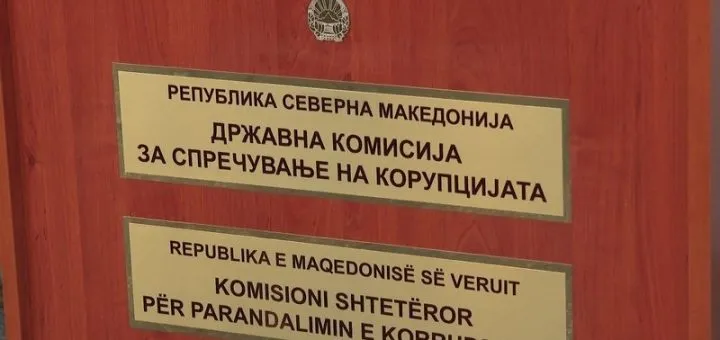
The anti-corruption commission opened the question of how the budget splits money between parties on its own initiative. It is...
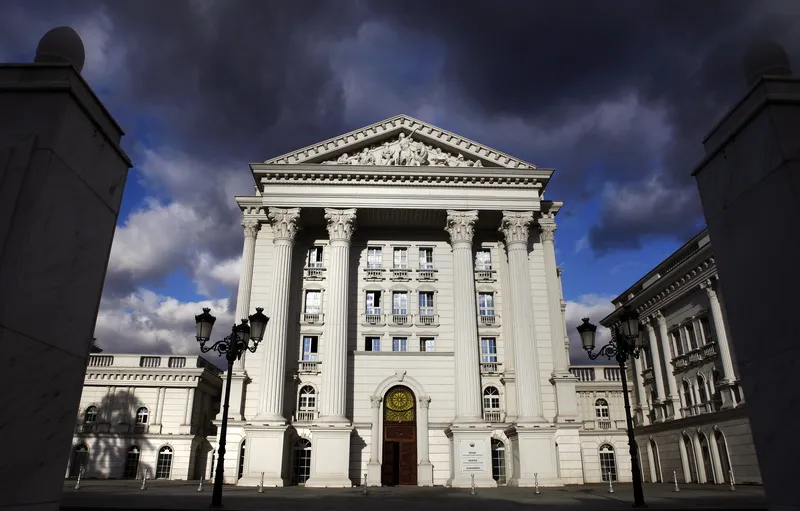
Dalibor Kitanovikj placed Ratko Mladic among "generals of the heavenly army". The Government wants him to withdraw the post. The...

Three institutions, three different speeds. The competition commission already said yes, the media regulator now says wait, and the financial...
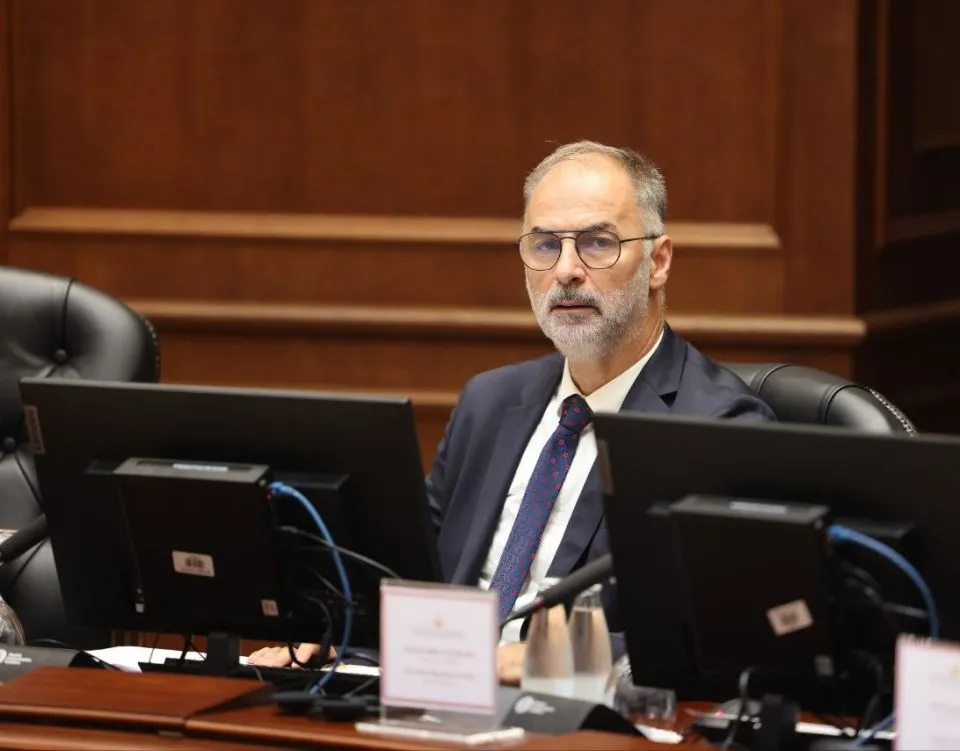
When the party of a sitting minister publicly pays tribute to a convicted war criminal, asking whether that is the...
How many applied, how many turned up for testing, how many passed. The ministry has that data in the same...
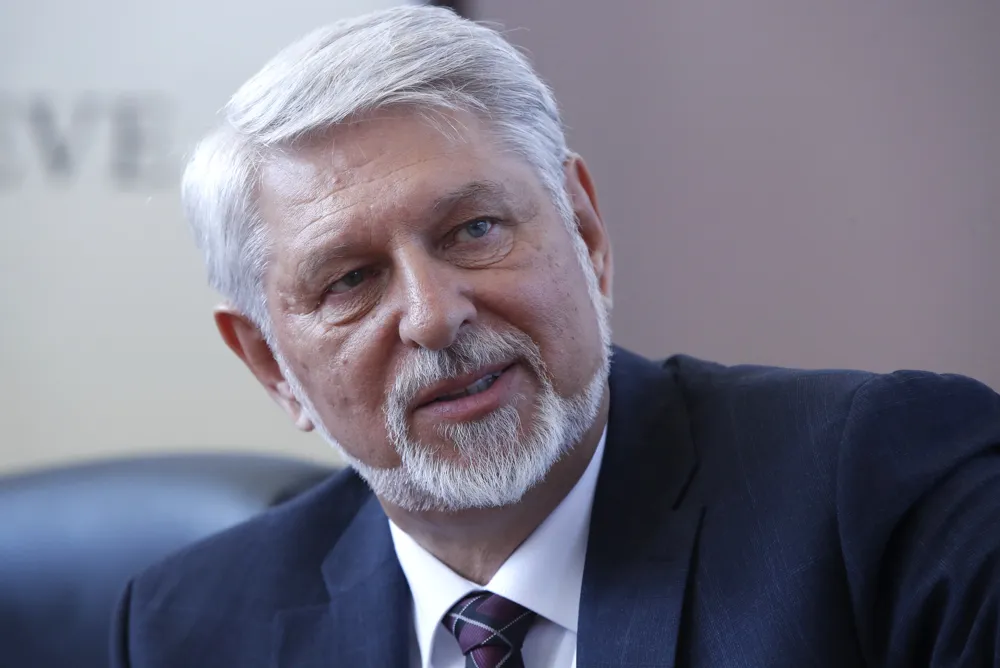
Three weeks of hospital treatment, a return to Skopje Prison on 26 August, and already an emergency transfer back. The...
The party claims the Pehchevo initiative failed because an opposition figure was behind it. The council there voted unanimously.
This site uses cookies - is that okay? Learn more
Be the first to know when Metla launches something new
Leave your email and we will write when there is a new guide or something new on Metla.
