Mickoski Said the Sentence Sofia Doesn't Want to Hear: "We Have a Bilateral Dispute"
27.09.2026


27.09.2026

27.09.2026
27.09.2026
27.09.2026

27.09.2026
27.09.2026
27.09.2026
26.09.2026
25.09.2026

27.09.2026

27.09.2026

26.09.2026

27.09.2026

27.09.2026

27.09.2026
27.09.2026

26.09.2026

25.09.2026

27.09.2026

27.09.2026

27.09.2026
27.09.2026

27.09.2026

27.09.2026

09.03.2026

27.02.2026

19.02.2026
27.09.2026
26.09.2026
25.09.2026

23.04.2026

23.04.2026

12.04.2026

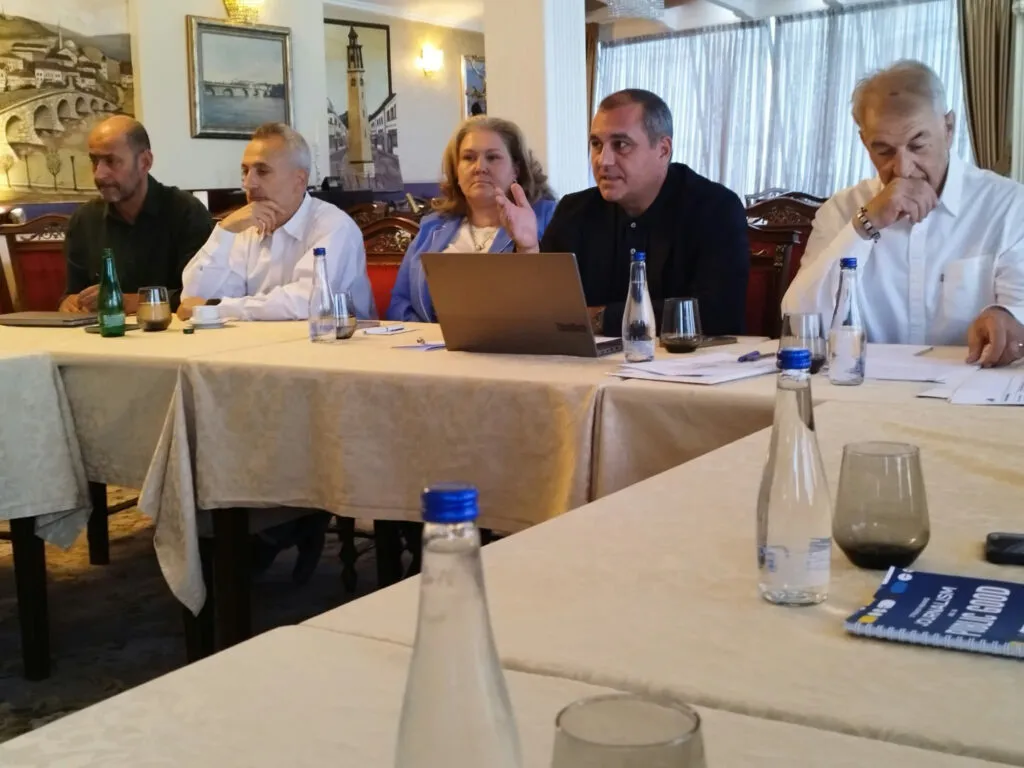
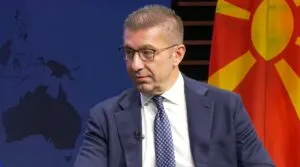
"Macedonia needs a strong opposition," Prime Minister Hristijan Mickoski said in a TV interview from New York. Right after that, he explained, party by party, why in his view no such opposition exists at the moment.
The 12:05 platform
First up was "Conversations about the Future at 12:05," the group inside the opposition Social Democrats (SDSM) pushing to replace leader Venko Filipche. Mickoski criticized them for claiming that citizens voted for his VMRO-DPMNE because they had no other choice. "I regret that even this alternative, which presents itself as an alternative within the opposition, once again underestimates the people and insults them by making them out to be short-sighted," he said. And he concluded: "In life and in politics, you don't get a second chance at a first impression."
Mickoski was actually responding to a reporter's question about Filipche's claim that members of the platform are paid by the government and work for the prime minister. On that part, his answer was that these are SDSM's "internal affairs," which he doesn't want to interfere in.
DUI, Levica and the "scandals"
Of the opposition coalition led by the ethnic Albanian party DUI, he said they are "old, worn-out structures" whose performance we've known for more than 20 years. Of the left-wing Levica, he said that in the two City of Skopje institutions where it had a chance to show something, it left "a pale impression or none at all," and that there's a group of "ten, 15, 20 people" there, happy with their annual funding, who "go to the seaside at our southern neighbor three or four times." Of the SDSM leadership, he said it "makes up stories" on a daily basis and brands them as scandals, "big, small, medium."
The prime minister as opposition analyst
It's striking how much time the prime minister devotes to parties that, by his own account, aren't serious enough to be an alternative. When the government hands out grades to the opposition and tells it what it should look like, it's worth asking: is the strong opposition Mickoski wants one that will criticize the government, or one the prime minister will like?
A strong opposition, by definition, doesn't wait for a grade from the prime minister.
The latest 10 news from this category
The prime minister wants the EU at the table with Skopje and Sofia. Bulgaria replies that it's open to dialogue...
The SDSM leader complained to his guests from Paris about the judiciary, the media and the guarantees the government keeps...
Skopje asks for a witness in the room, Sofia accepts - but the menu has already been printed. Four years...
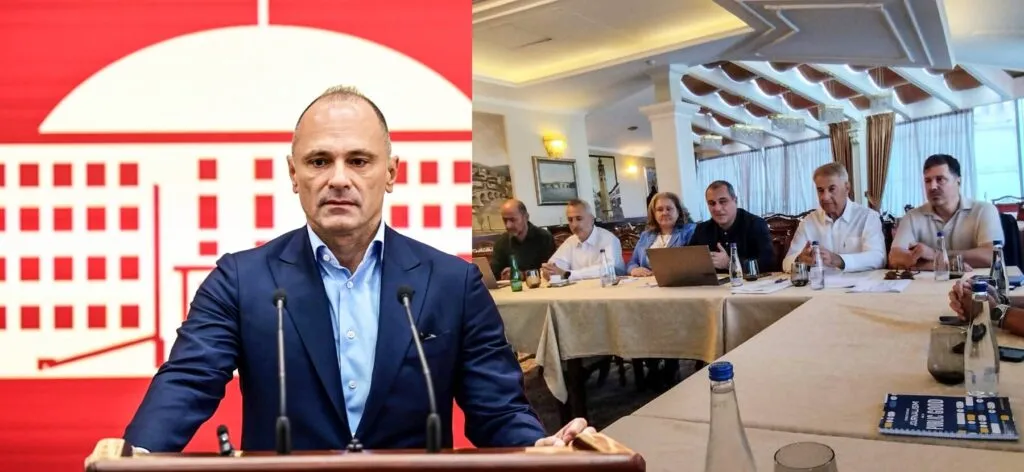
One side accuses the leader of cutting deals with the government; he accuses them of working for the government. Neither...
The majority of judges said "res judicata" and closed the matter. Darko Kostadinovski voted against, arguing that new parties start...
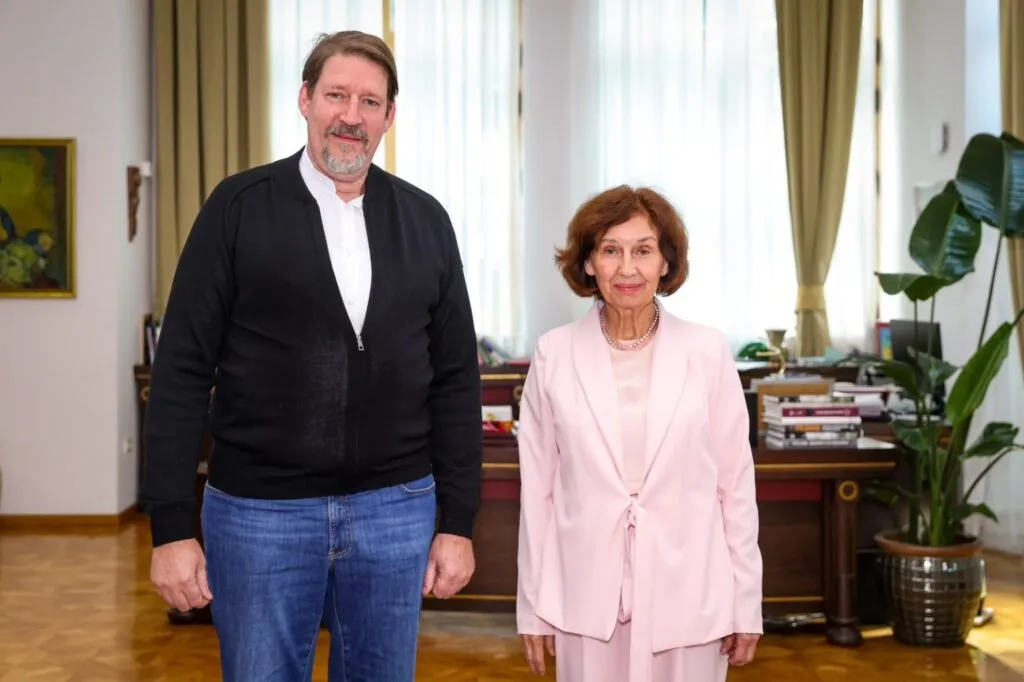
The President reminded him that after all the compromises, negotiations haven't even started. The European Parliament's rapporteur admitted to a...
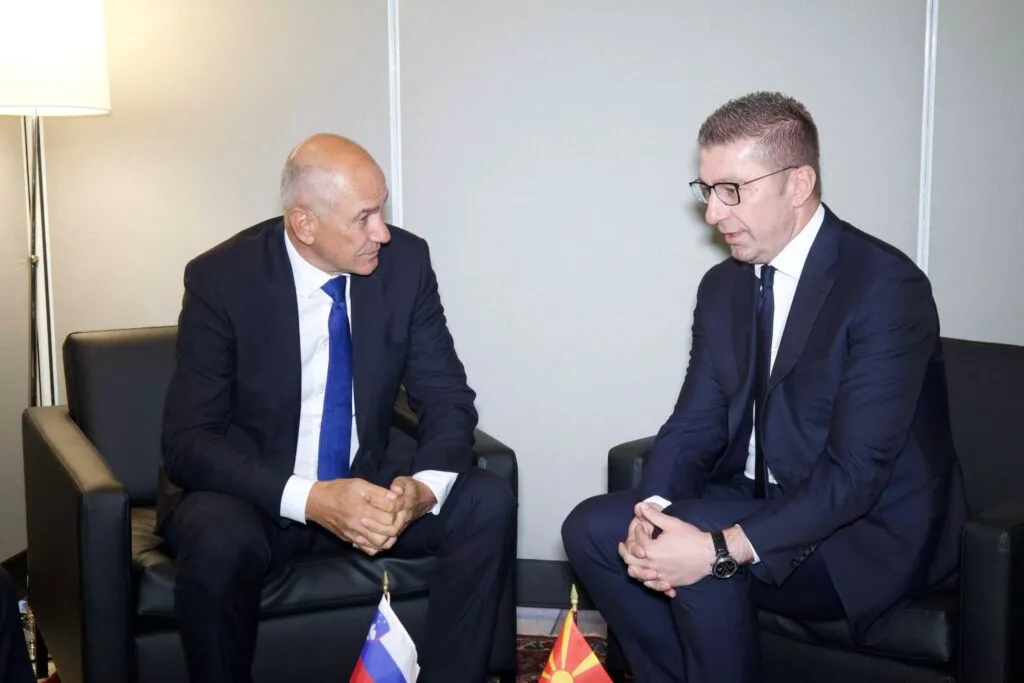
The flag, the Constitution and the name have all been changed, and the EU is no closer. The diagnosis is...
Andonovski admits there was no project, no study, and no figure for how many megawatts the facility would draw. The...
The video has no room, no table, no flags. In the same week the State Department redirected 52 million dollars...
The right to an opinion is not in dispute. The problem is that in certain offices the line between personal...
This site uses cookies - is that okay? Learn more
Be the first to know when Metla launches something new
Leave your email and we will write when there is a new guide or something new on Metla.