
Three of Four Sensors Were Dead: Skopje's Vodno Cable Car Ran Fifteen Years Without a Real Service
17.09.2026


17.09.2026

17.09.2026
17.09.2026

17.09.2026
17.09.2026
17.09.2026

17.09.2026

16.09.2026

15.09.2026

17.09.2026

17.09.2026

16.09.2026

17.09.2026

17.09.2026

17.09.2026

17.09.2026

16.09.2026

15.09.2026

17.09.2026

17.09.2026

17.09.2026

17.09.2026

17.09.2026

17.09.2026

09.03.2026

27.02.2026

19.02.2026

23.04.2026

23.04.2026

12.04.2026

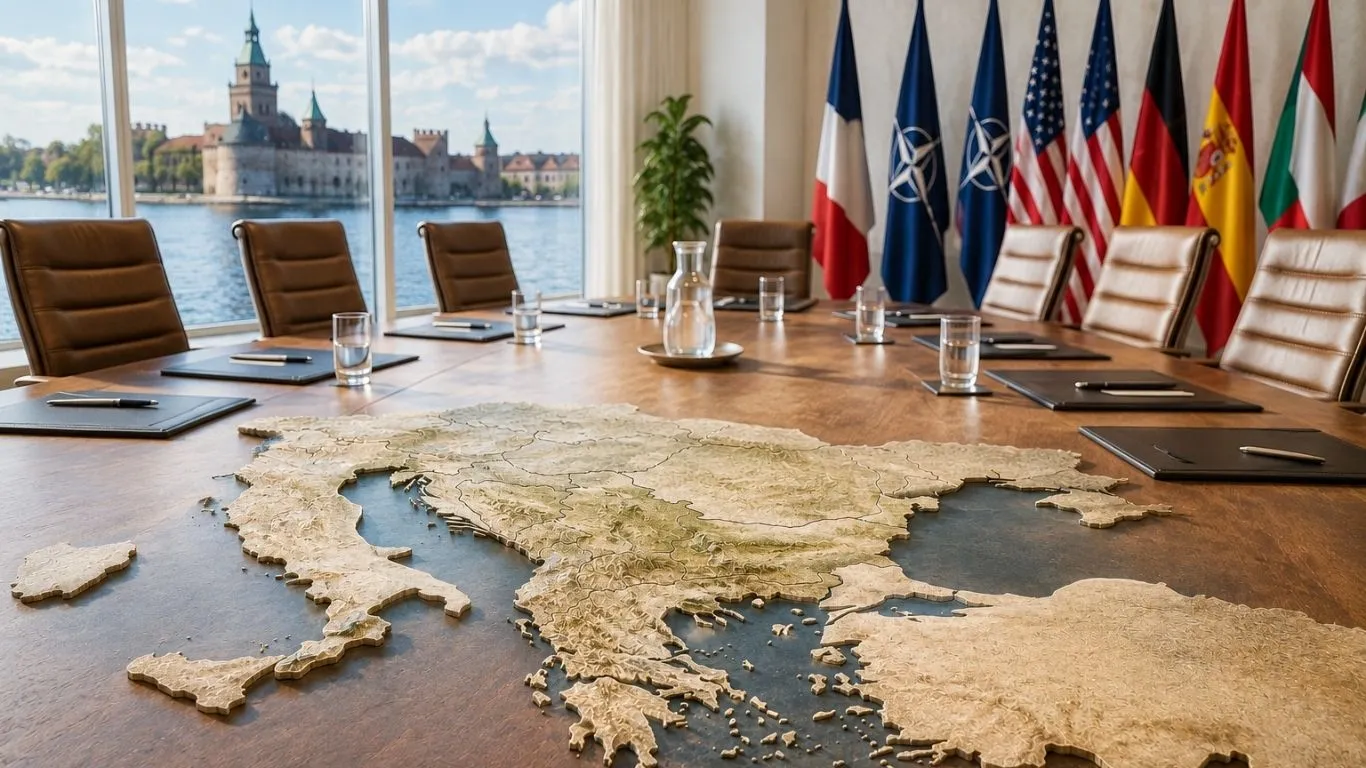
Foreign Minister Timčo Mucunski spoke at the meeting of NATO member states' top diplomats in Helsingborg, Sweden, with a message that wasn't exactly diplomatically smoothed over. „The Western Balkans remain a region of Europe in which serious malign influence persists," Mucunski said. Translation: you haven't solved the problem. You've just forgotten about it.
The Helsingborg meeting (May 21-22, 2026) is preparation for the upcoming NATO Summit in Ankara, scheduled for July this year. The agenda covers every current security challenge - Ukraine, the Middle East, cyber threats, disinformation. The Balkans weren't at the top of the list. Mucunski pushed for them to be put on it.
His thesis - the region functions as contested ground where five lines of influence intersect: European integration, Russian pressure, Chinese infrastructure interests, ethnic nationalism, and disinformation campaigns. Weak domestic institutions mean the doors stay open to outside influence. We still haven't figured out how to close those doors without more Western support.
On defense spending, Mucunski mentioned NATO's target of 5 percent of GDP on defense. With an important addendum - not just spending, but building resilient institutions, cyber security, and public understanding of the security challenges. That's a smarter message than the classic numbers about weapons and tanks. In the 5G era, disinformation can do damage no tank brigade can undo.
The question still left without an open answer - what does Macedonia actually get. Statements in Helsingborg are one thing, money and programs are another. Last year's summit in The Hague produced commitments to increased defense funding - but how much of that money actually reaches Macedonian institutions? How much of it ends up as real strengthening of security? Mucunski didn't answer publicly. Maybe he doesn't have to. But citizens have a right to know whether 5 percent of GDP on defense also means 5 percent more security, or just 5 percent less budget for everything else.
The latest 10 news from this category

Of 340 million denars, only 40 million came from private money - the rest came from the State Lottery. Prosecutors...
The State Audit Office already warned that withholding the points makes favouritism possible. The rulebook requiring them to be published...
Two senior officials announced progress, the two largest parties denied it the same day. The amendments sit blocked behind 13,500...
The police acted on their own knowledge, without the PM filing anything at all. The same mechanism exists for every...
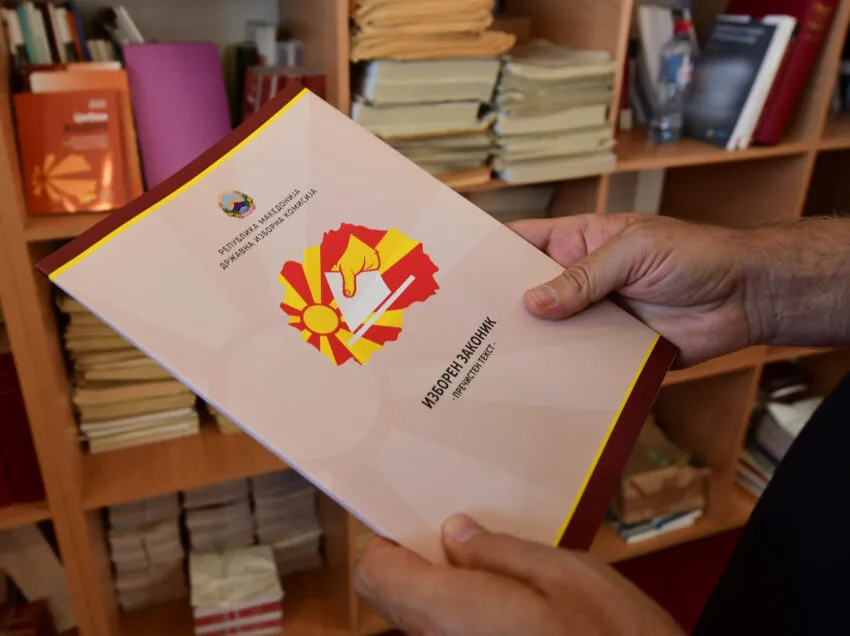
The Electoral Code is the one unfulfilled reform obligation, and the working group does not even know when it will...
It was supposed to cost "zero denars". Now the opposition wants an investigation, and the timeline - David Guetta announced...
Five negations in one sentence, pension growth "16 times higher" with not a single figure beside it, and a third...
One side waits for a letter, another waits for a different commission, a third waits for consent. In those same...
The commission's chairman says it only checked whether the documents were complete. The public call says something else entirely -...
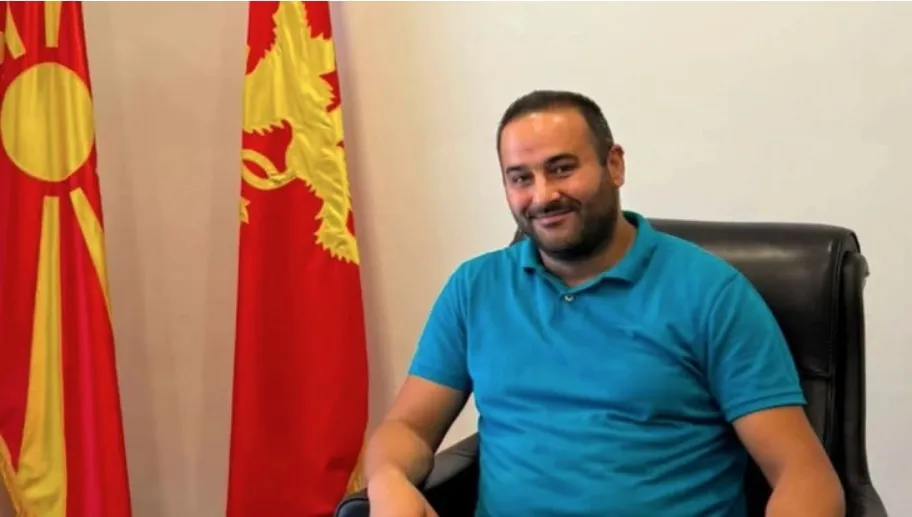
Three candidates, two of them lawyers, one of them employed by the very municipality he is running for. The line...
This site uses cookies - is that okay? Learn more
Be the first to know when Metla launches something new
Leave your email and we will write when there is a new guide or something new on Metla.