

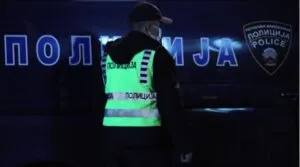
Someone Threw Flammable Liquid at a Shop in Central Skopje - and 17 Hours Passed Before Anyone Reported It
30.08.2026


30.08.2026

30.08.2026

30.08.2026

30.08.2026
30.08.2026

30.08.2026

30.08.2026
29.08.2026

28.08.2026

30.08.2026

30.08.2026

29.08.2026

30.08.2026

30.08.2026

30.08.2026

30.08.2026

29.08.2026

28.08.2026

30.08.2026

30.08.2026

30.08.2026

30.08.2026

30.08.2026

29.08.2026

09.03.2026

27.02.2026

19.02.2026
29.08.2026

28.08.2026

27.08.2026

23.04.2026

23.04.2026

12.04.2026
Putin does not need a full invasion to break NATO. He needs 48 hours and one border town. That is all.
That is the thesis of Valeriy Chaly, former Ukrainian ambassador to the United States, laid out on Ukrainian television NTA. He lists three possible directions for Russian escalation: testing a tactical nuclear weapon, a limited military operation against a NATO member, or an even sharper escalation of the war in Ukraine. In his assessment, the third scenario is currently the most likely - but it is the second that keeps the Alliance awake.
The test lasts two days
"I do not mean a scenario like Ukraine - crossing the border and moving on the capital. It would be enough for them to put some border town under control for 48 hours and show whether NATO can react," Chaly said. He names the Baltics as a possible arena. "If it were an attack on Estonia, on Latvia... NATO is not ready for now."
The goal, in his view, would not be to conquer an entire country. The goal would be to create a situation where you can see in real time whether the Alliance is politically and militarily capable of applying collective defence immediately - when the attack is limited, fast and tailored to put the allies in front of a dilemma about how far they should go.
That is the more intelligent version of the challenge. A full invasion unites everyone. A small, brief, ambiguous incursion makes thirty-two governments ask themselves whether this really is an "armed attack" in the sense of Article 5 - and while they ask, the hours pass.
Narva and the Suwalki corridor
Chaly has been raising a similar scenario for some time. In a July interview he said Russia could use unmanned and ground robotic systems, along with sabotage groups, for a short incursion of just 48 hours. He pointed then to the Narva area in Estonia and the Suwalki corridor between Poland and Lithuania.
Those are not randomly chosen points on the map. They are the places where geography works against the Alliance - narrow, exposed, easy to cut off.
The first step: a nuclear test
Before any strike on NATO territory, Chaly lists another option available to Moscow - a demonstrative test of a tactical nuclear weapon. "They have three paths of escalation and you can see they are heading towards escalation. The first is testing a tactical nuclear weapon," he said, stressing that according to the information he has, no such test has been carried out so far.
Such a move would not mean the automatic combat use of a nuclear weapon. It would mean radically raising the stakes and sending a political message to the West that Moscow wants to put the nuclear factor back at the very centre of the crisis.
The paradox revealed by the CIA visit
Chaly assesses that Moscow will more likely choose the third option - an even sharper escalation in Ukraine. But that, in his words, is exactly where the paradox arises. He is not convinced that the White House and the CIA leadership are most worried about the war in Ukraine intensifying. The Ukrainian front, however dangerous, is a familiar kind of conflict for American observers.
"The situation in Ukraine is roughly clear to them. What is not clear is what else Putin will do. I think that is precisely why the talks are being held," Chaly said.
His words come immediately after the unusual visit of CIA director John Ratcliffe to Moscow. According to reports citing people familiar with the content of the conversations, Ratcliffe was sent precisely to deliver a warning to Moscow not to attack NATO members. The visit followed new American intelligence assessments suggesting Putin could test the Alliance's resolve with a limited military action against one of its members.
According to other reports, Ratcliffe also delivered a warning to Russian officials regarding possible provocations, cyber attacks and hybrid operations - moves serious enough to test the West, but designed so as not to look like the start of a classic large-scale war.
Who does not believe whom
US President Donald Trump publicly played down those fears and said he does not believe Putin will attack NATO. The Kremlin dismissed reports about the purpose of the visit as alarmist stories with no connection to reality.
So: US intelligence services send a director to Moscow with a warning, the US president says there is nothing to fear, and Moscow says the warning never existed at all. Three different versions of the same visit - and not one of them from a party without an interest.
The Balkans knows the scene where a limited action is run to test how far the international community will go. The question Chaly opens is not whether Russia can take Estonia. The question is how many hours thirty-two countries need to agree that what they are watching really is an attack.
The latest 10 news from this category
The largest war in Europe since 1945 has been given a new explanation in front of a student audience. Not...
The army that came to power in a coup is now defending that power from its own soldiers. The same...

Two visits to Moscow in one week, both about security. Between them lies the question of how close NATO's eastern...
A Syrian court handed down a death sentence in absentia, and to the question about extradition the Kremlin replied by...
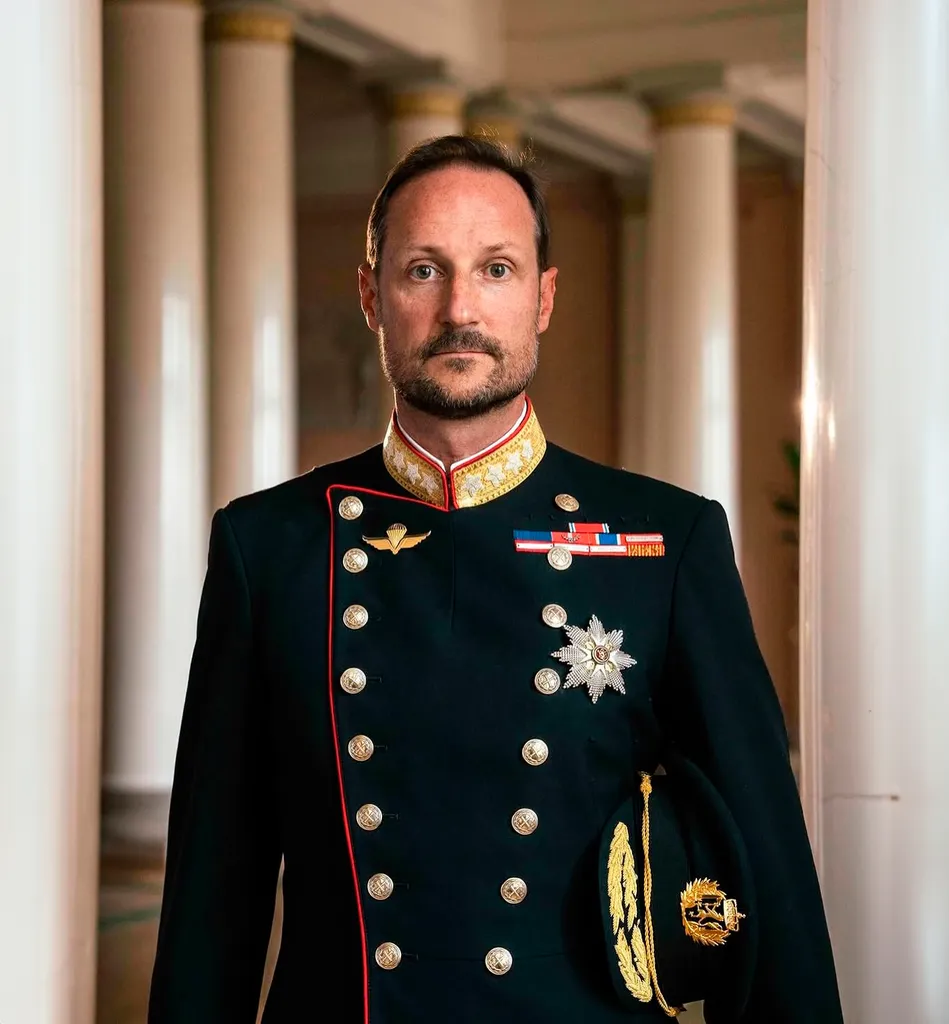
Кралот Харалд им се извинил на саамскиот народ додека бил на функција, а не во мемоари четириесет години подоцна. Неговиот...

The Red Cross admits it has no full picture of the disaster. The government is simultaneously turning down foreign rescue...
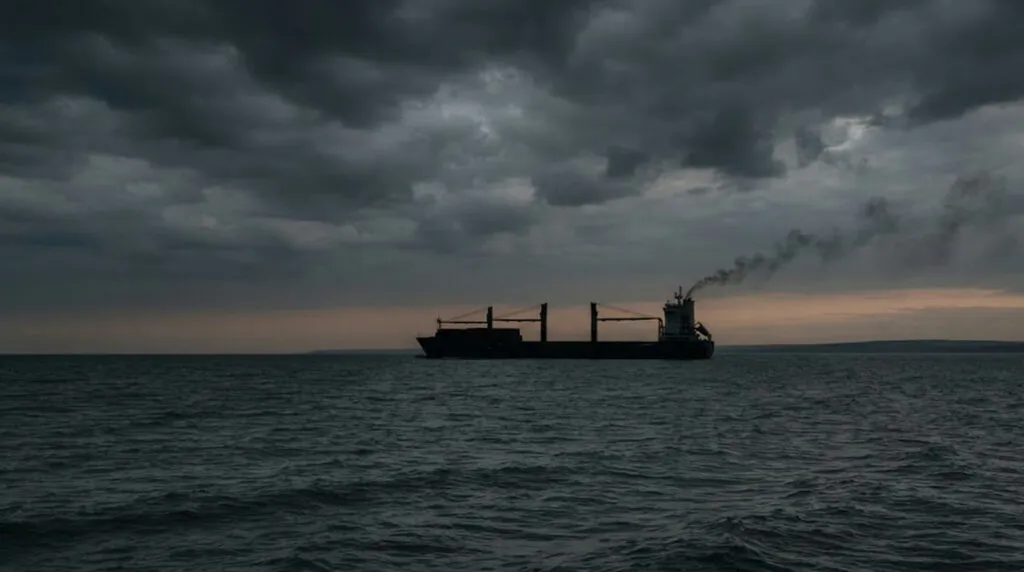
It was hit inside the economic zone of a NATO and EU member, not in Ukrainian waters. Three questions remain...

The German manufacturer published the batch number, the date and the right to a refund without a receipt. How often...
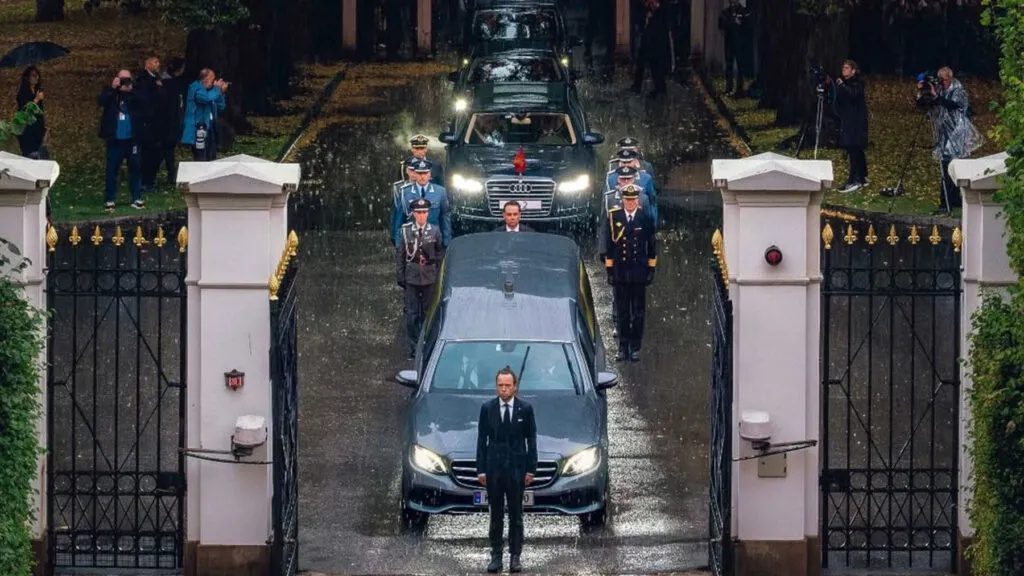
Europe's longest-reigning monarch has died, and the succession went through without a single day's gap. We know rather different transfers...
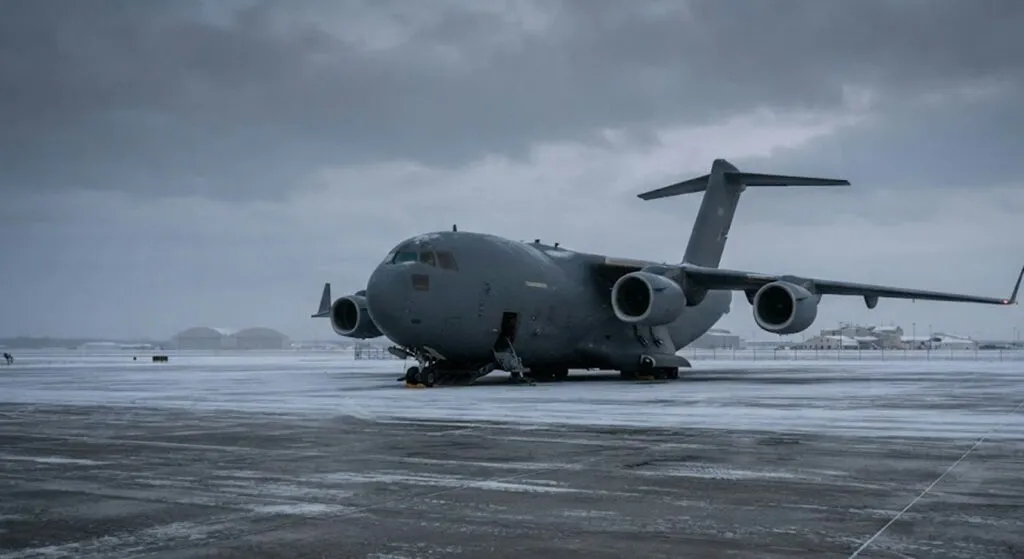
The first visit by a CIA director to Russia since 2021. Intelligence assessments say Moscow does not feel cornered -...
This site uses cookies - is that okay? Learn more
Be the first to know when Metla launches something new
Leave your email and we will write when there is a new guide or something new on Metla.
