
Six Years of Fake Licence Categories Issued From an Interior Ministry Desk: Six Charged, 21 More Under Investigation
21.09.2026


21.09.2026

21.09.2026

21.09.2026

21.09.2026

21.09.2026

21.09.2026

21.09.2026

20.09.2026

20.09.2026

21.09.2026

21.09.2026

20.09.2026
21.09.2026
21.09.2026
21.09.2026

21.09.2026

20.09.2026
19.09.2026
21.09.2026

21.09.2026
21.09.2026

21.09.2026

21.09.2026

21.09.2026

09.03.2026

27.02.2026

19.02.2026

21.09.2026

21.09.2026

20.09.2026

23.04.2026

23.04.2026

12.04.2026

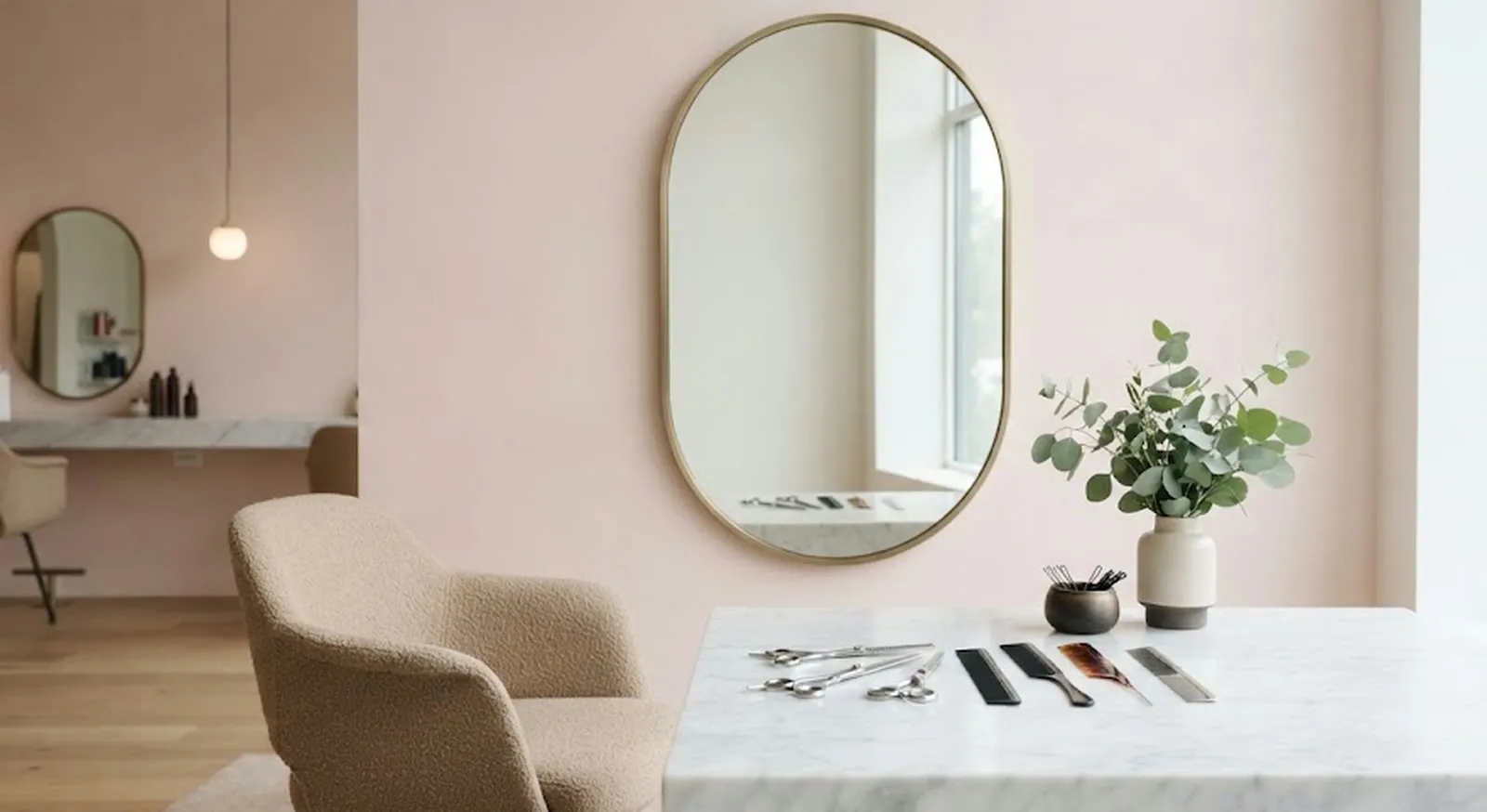
Anyone who has ever walked out of the salon with a new haircut knows that strange lightness - suddenly you walk differently, as if the world owes you something. It is not random and it is not shallow. Psychologists explain why changing your appearance really does lift your mood, and the answer has more to do with identity than with vanity.
Ana Galán, a psychologist who specialises in anxiety, says the effect begins the moment you look in the mirror and see an image that matches how you want to express yourself. „The effect begins when we look at ourselves and feel that the image matches how we want to express ourselves,“ she explains. That coherence between the inner and the outer brings well-being - because self-image strongly shapes your emotional state.
Leticia Martín Enjuto, a clinical psychologist, ties the change to authenticity. „When the outer appearance aligns with your personality or life stage, authenticity and coherence increase,“ she says. Changing your look often means „the start of a new chapter, closing a cycle, or a decision to put yourself first.“ The scissors, in fact, cut more than hair.
This is where the concept of „enclothed cognition“ comes in - the idea that clothing, style and presentation influence thoughts, emotions and behaviour. But there is one important condition: changes driven by self-expression work better than those prompted by someone else's approval. If you change so that someone will tell you that you look good, the effect is short. If you change for yourself, it lasts.
Both experts also warn about the other side. Galán is blunt: „Changing your appearance can boost self-confidence, but it does not change your personal worth.“ If the insecurity runs deep, no haircut will fix it. And a badly done change can cause real discomfort - a sense of estrangement from yourself, however trivial it may look from the outside. The mirror helps, but it does not heal.
The latest 10 news from this category
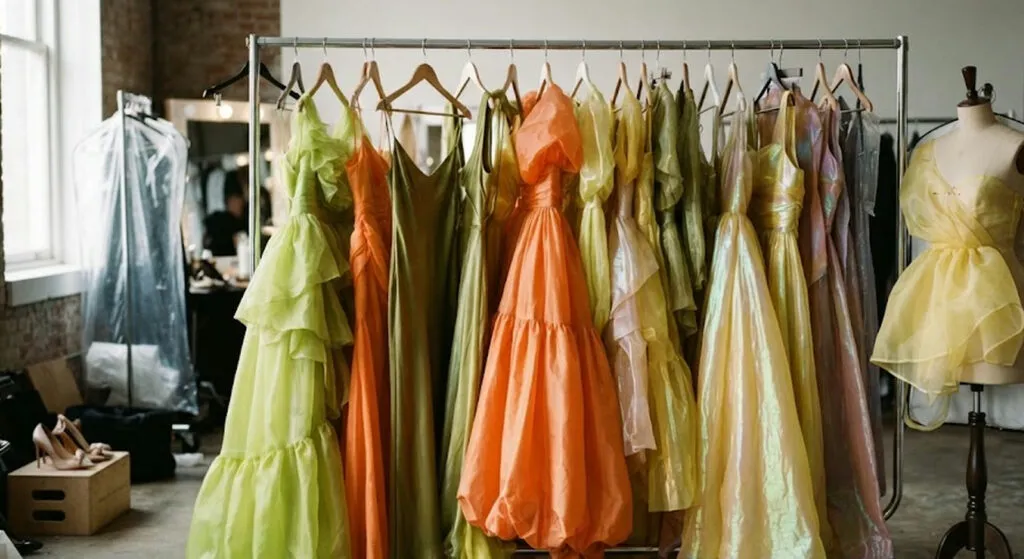
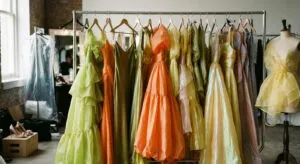
Three days in a lab coat with colorimetry scientists to produce a collection in lime and tangerine. The design director...
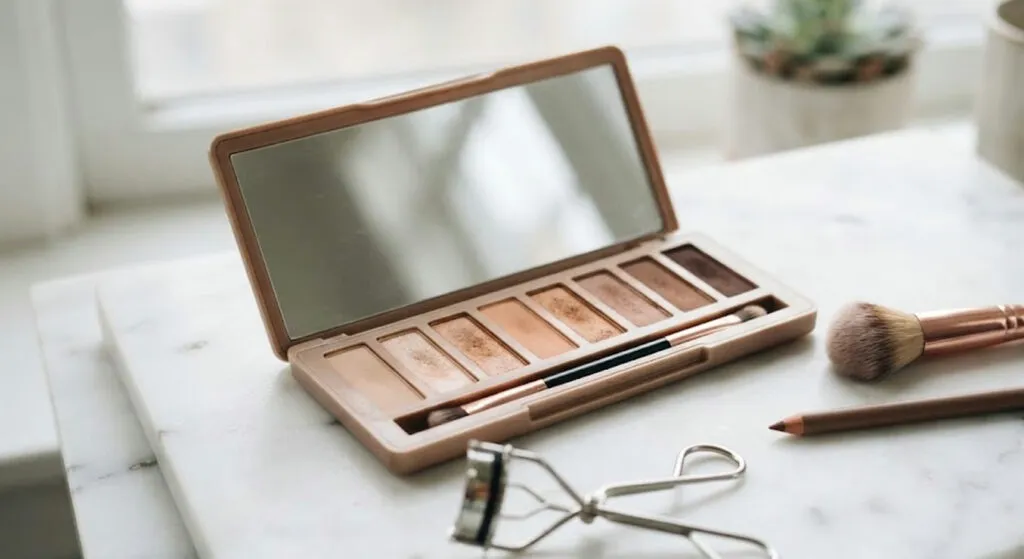
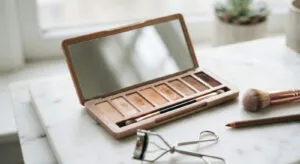
Cream concealer instead of powder, a brown pencil instead of black eyeliner, and a curler before the mascara. Not one...
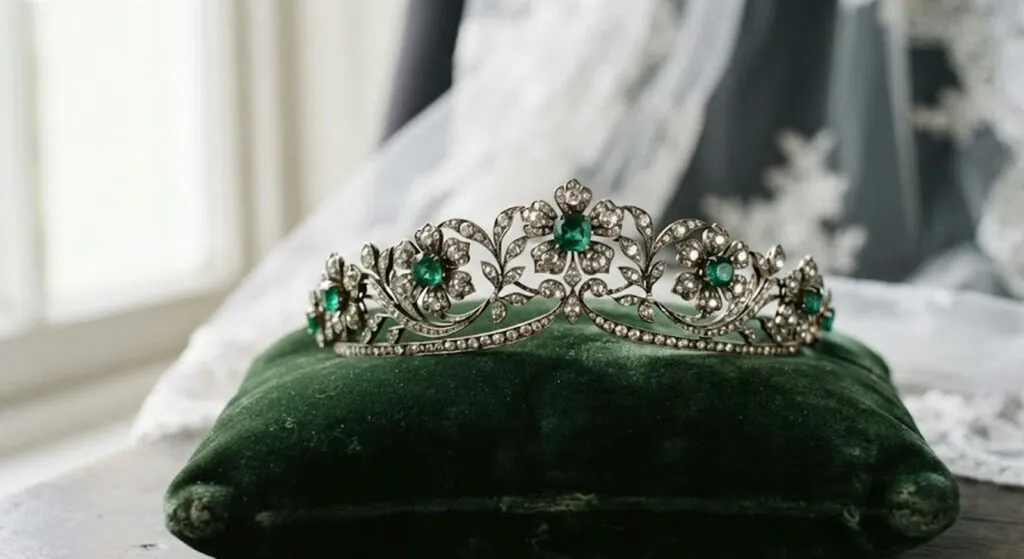
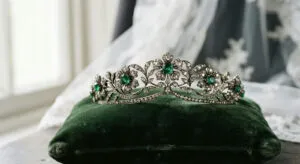
A boat-neck gown and wildflowers that deliberately refuse to compete with the jewellery. A fourth generation under the same diadem,...
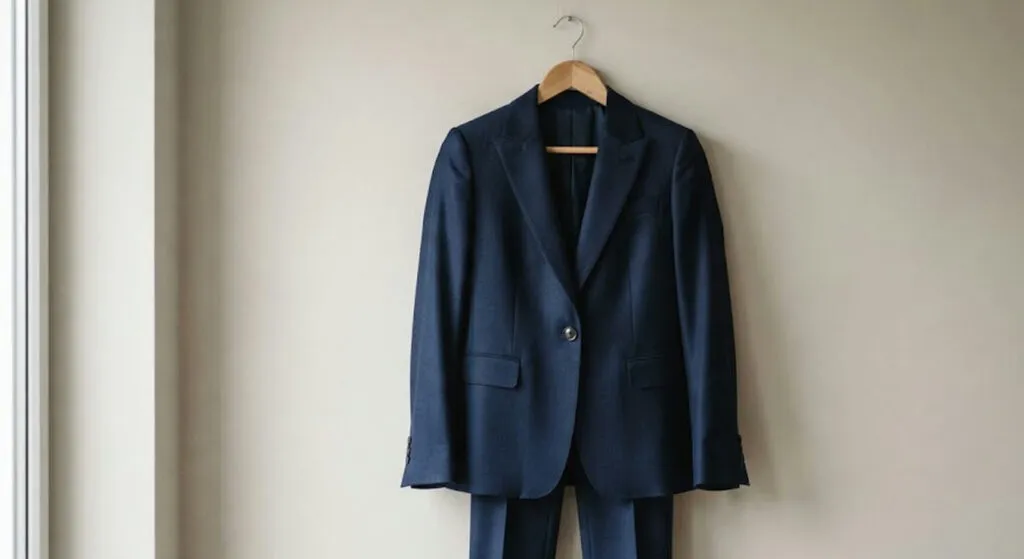
A communications expert says the trouser suit sidesteps sexist readings of hemlines and necklines. The same expert warns that the...
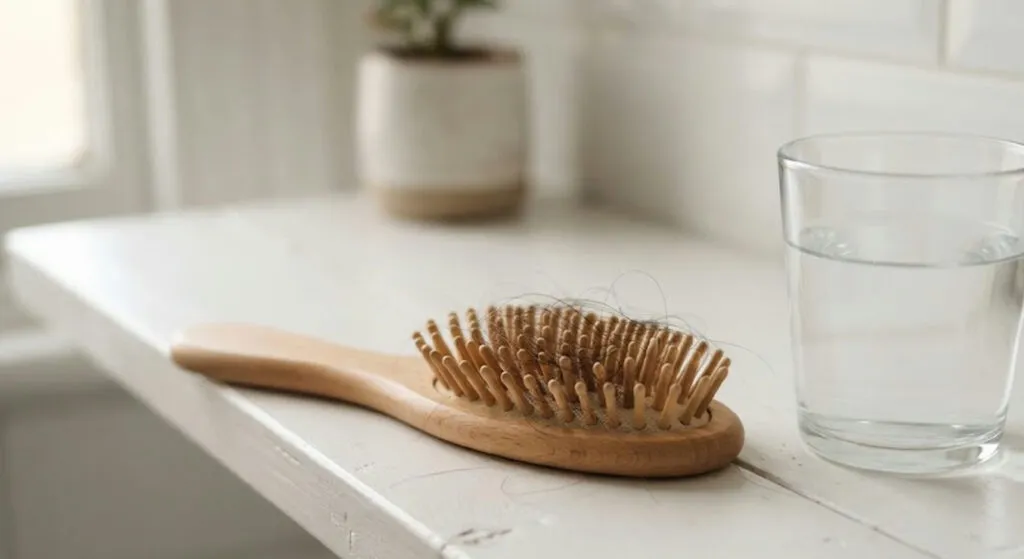
Dermatologists explain why the shedding arrives with a two to three month delay and why iron and vitamins do not...

Silk bambula muslin, a hand-draped waist and a veil of crystal organza. The wedding was held in Cadiz, where the...
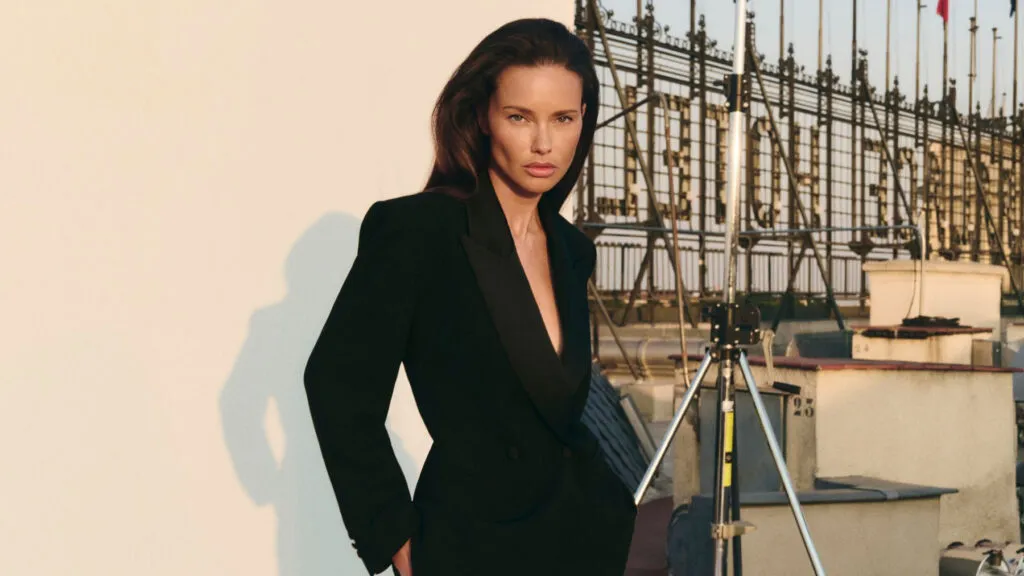
An industry that spent decades selling a flawless illusion is suddenly showing the shoot itself. That is not candour -...

The classic bob promised one perfect day. This version works against the salon business model - and that alone is...
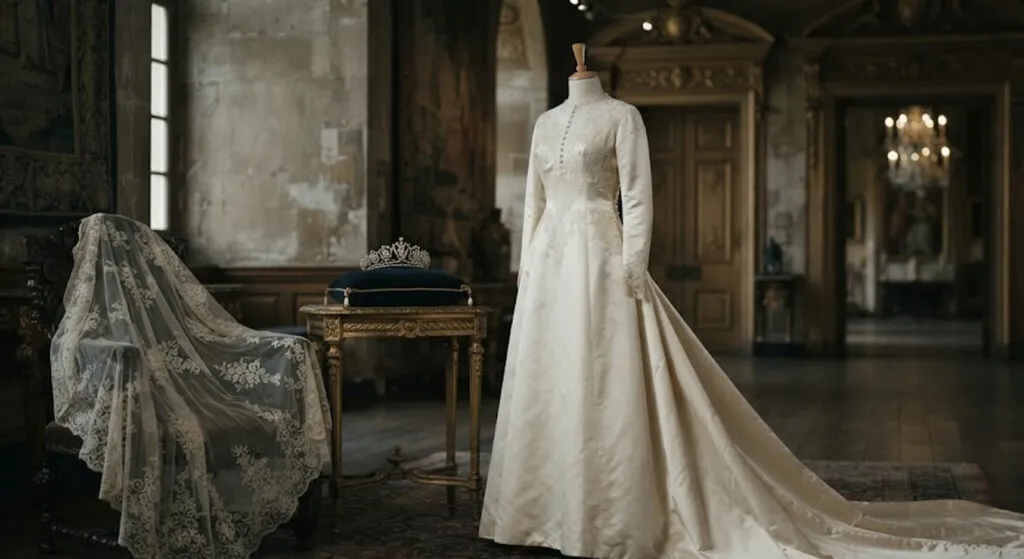
The crowns were held by four men who would all later sit on thrones of their own. Nobody in that...
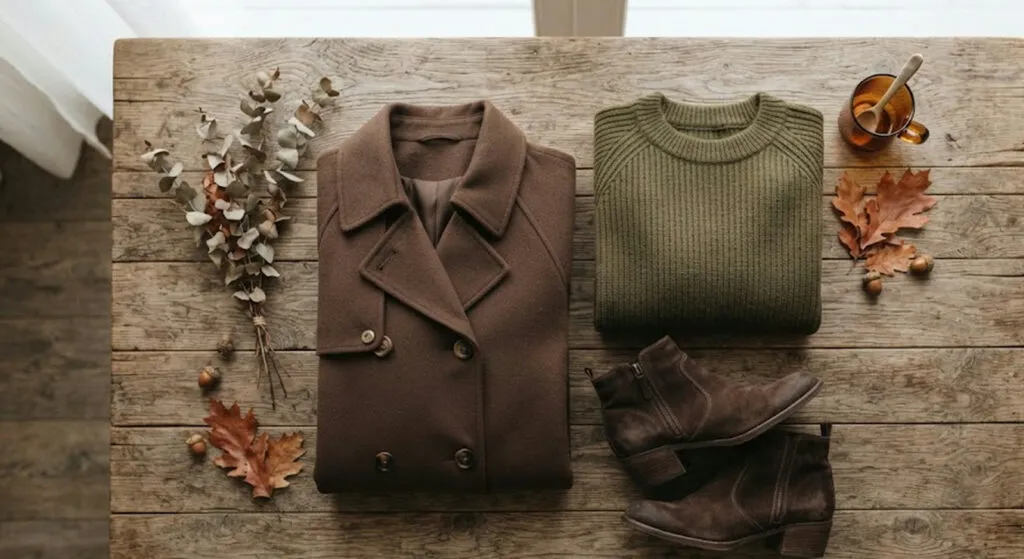
Kate Middleton dropped the beige and the same cut suddenly looked twice as expensive. The industry sells a new silhouette...
This site uses cookies - is that okay? Learn more
Be the first to know when Metla launches something new
Leave your email and we will write when there is a new guide or something new on Metla.