

Six Years of Fake Licence Categories Issued From an Interior Ministry Desk: Six Charged, 21 More Under Investigation
21.09.2026


21.09.2026

21.09.2026

21.09.2026

21.09.2026

21.09.2026

21.09.2026

21.09.2026

20.09.2026
20.09.2026

21.09.2026

21.09.2026

20.09.2026
21.09.2026

21.09.2026
21.09.2026

21.09.2026

20.09.2026
19.09.2026

21.09.2026

21.09.2026
21.09.2026

21.09.2026
21.09.2026

21.09.2026

09.03.2026

27.02.2026

19.02.2026

21.09.2026
21.09.2026

20.09.2026

23.04.2026

23.04.2026

12.04.2026

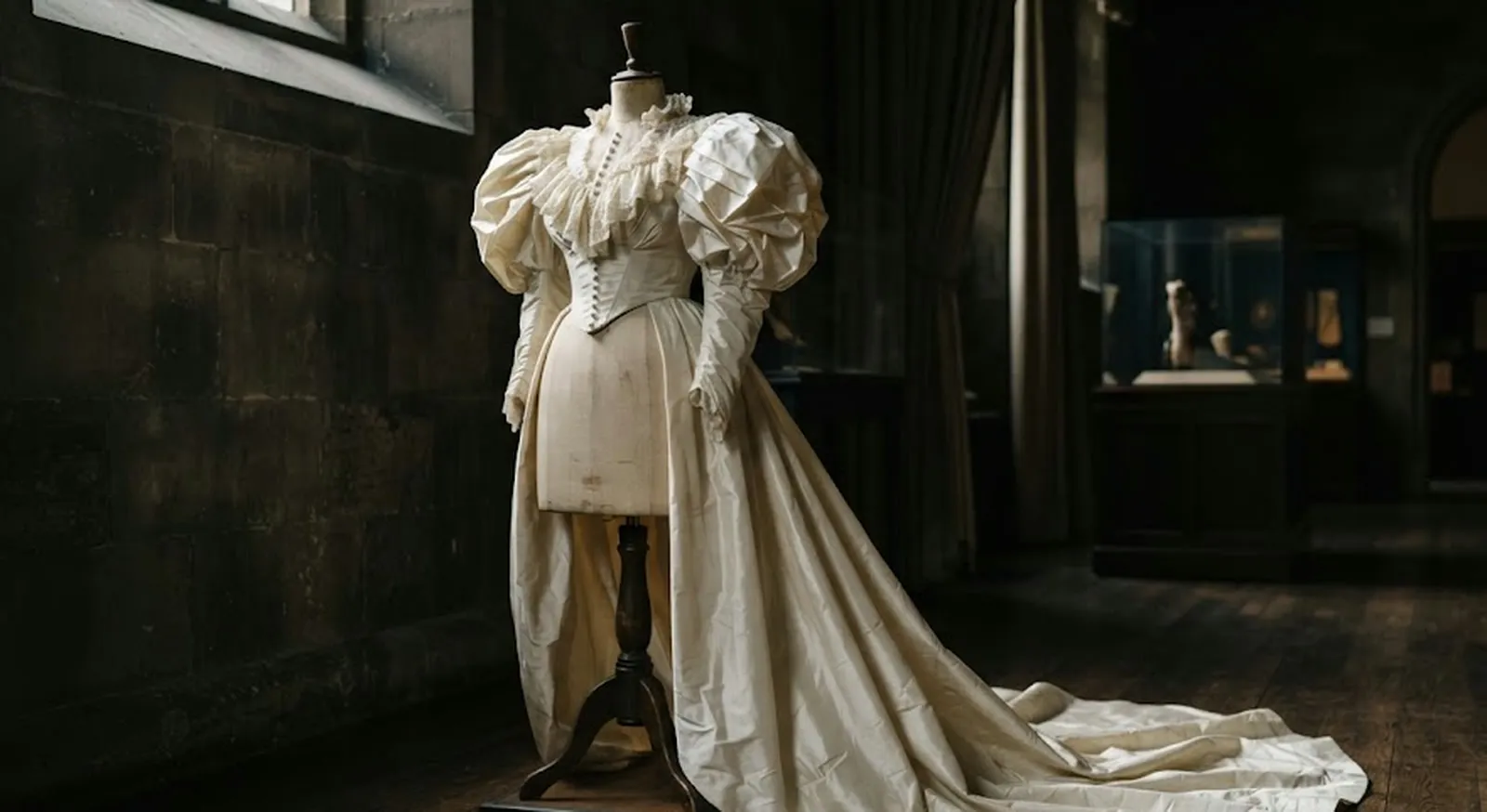
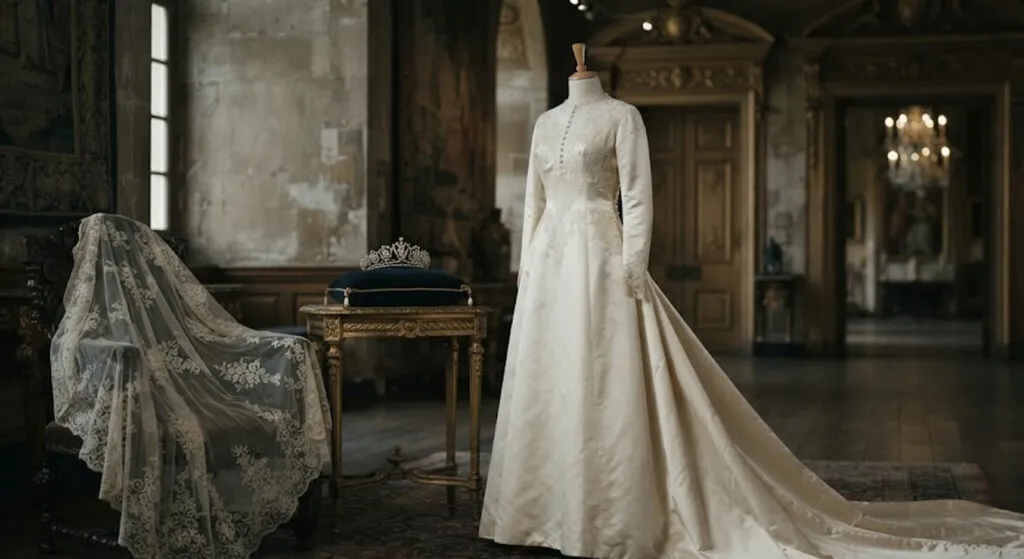
On 29 July 1981, 750 million people in 74 countries watched Diana Spencer walk into the cathedral in a dress that would become the most copied wedding gown of the twentieth century. Forty-five years later, a fashion historian says the design actually pointed to another queen - the one who ended under the guillotine.
Historian Amber Butchart, on a BBC programme devoted to the history of clothing, draws the line between Diana's gown and the portraits of Marie Antoinette painted by Élisabeth Vigée Le Brun. The enormous gathered sleeves, the ruffled neckline - that is the silhouette of the chemise à la reine, the dress with which the French queen caused a scandal in a Paris salon in 1783.
The numbers on the dress itself are almost absurd: 25 metres of silk and taffeta, 90 metres of tulle and 10,000 pearls and mother-of-pearl sequins. Designers David and Elizabeth Emanuel described it as „appropriately dramatic”. For an event watched by three quarters of a billion people, drama wasn't a stylistic choice but a technical requirement.
This is where the word the media use for this story comes in - premonition. Marie Antoinette was executed in October 1793. Diana died in a car crash in August 1997. Both women entered the institution from outside, both were shaped into a symbol, and both ended up as the subject of people who never knew them.
But calling that a premonition is a lovely sentence that doesn't hold water. Nobody in 1981 was designing an ending; they were designing splendour. What actually repeats is not fate but a pattern: an institution takes a young woman, turns her into the image it needs, and then doesn't know what to do when the image starts living on its own.
That is exactly what makes the dress interesting even now. Not as a fairy-tale relic, but as the first document of the production - the moment one person became material to be processed for decades. Thirty metres of fabric, ten thousand pearls, and seven hundred and fifty million pairs of eyes watching.
The wedding was the beginning. The question rarely asked is whether anyone ever asked her what she wanted to wear.
The latest 10 news from this category
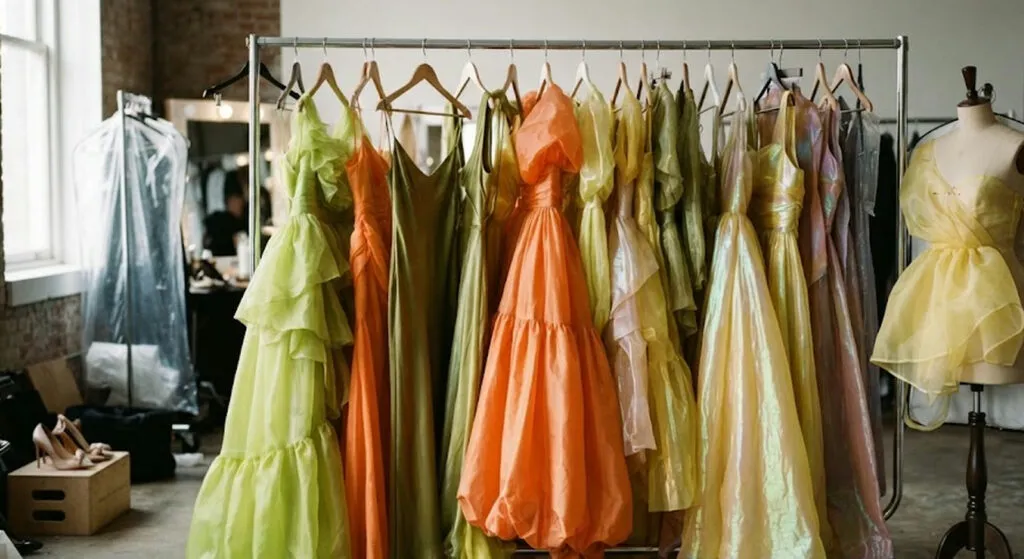
Three days in a lab coat with colorimetry scientists to produce a collection in lime and tangerine. The design director...

Cream concealer instead of powder, a brown pencil instead of black eyeliner, and a curler before the mascara. Not one...
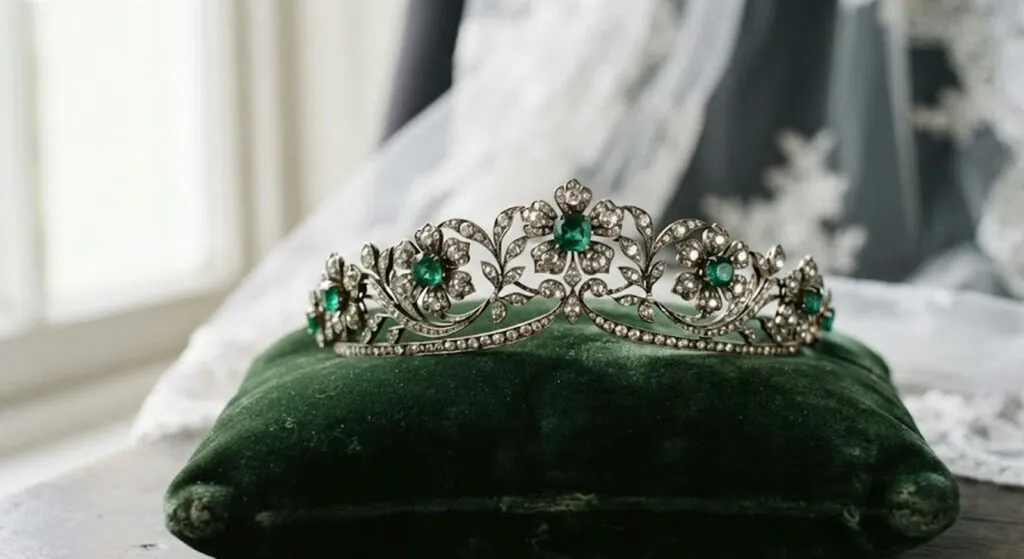
A boat-neck gown and wildflowers that deliberately refuse to compete with the jewellery. A fourth generation under the same diadem,...
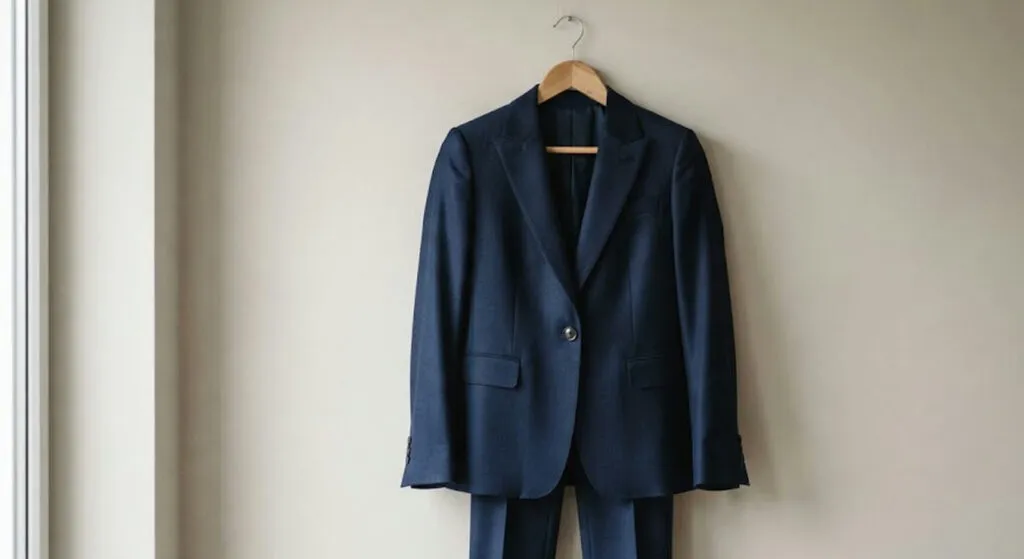
A communications expert says the trouser suit sidesteps sexist readings of hemlines and necklines. The same expert warns that the...

Dermatologists explain why the shedding arrives with a two to three month delay and why iron and vitamins do not...
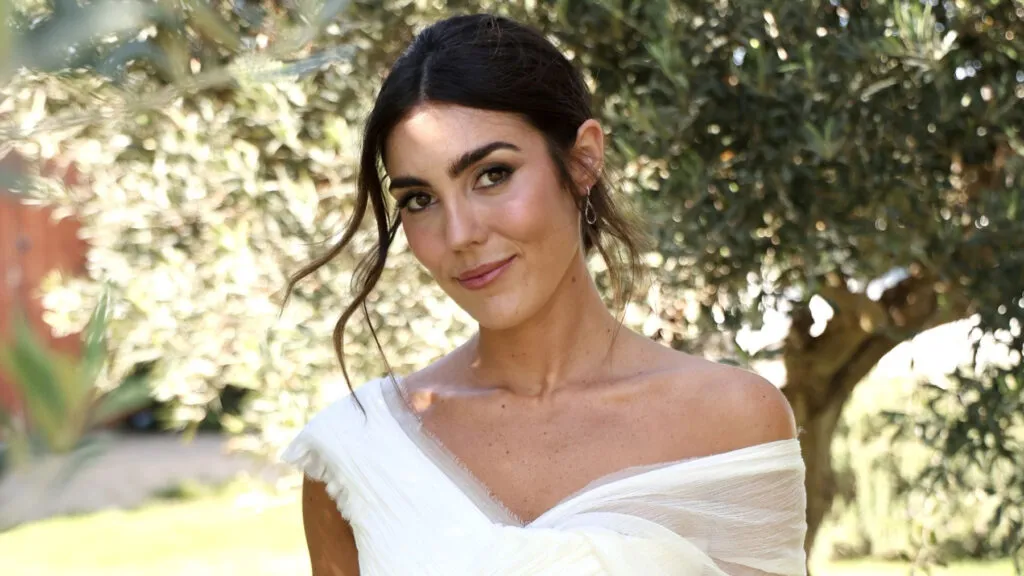
Silk bambula muslin, a hand-draped waist and a veil of crystal organza. The wedding was held in Cadiz, where the...
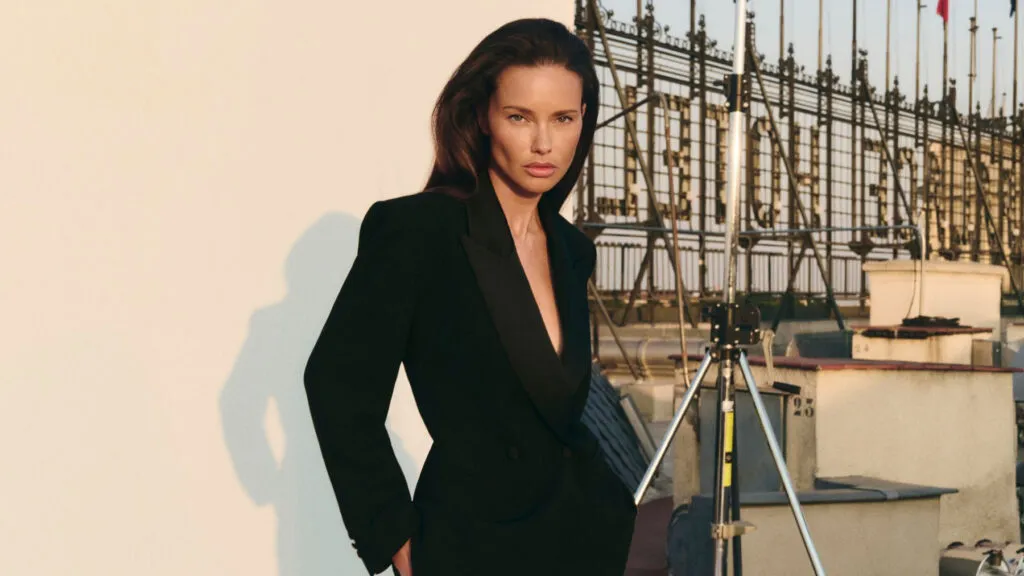
An industry that spent decades selling a flawless illusion is suddenly showing the shoot itself. That is not candour -...

The classic bob promised one perfect day. This version works against the salon business model - and that alone is...
The crowns were held by four men who would all later sit on thrones of their own. Nobody in that...

Kate Middleton dropped the beige and the same cut suddenly looked twice as expensive. The industry sells a new silhouette...
This site uses cookies - is that okay? Learn more
Be the first to know when Metla launches something new
Leave your email and we will write when there is a new guide or something new on Metla.
