
They Fired Guns at a Party in Dobridol - and Police Only Moved Once the Video Went Viral
02.08.2026



02.08.2026

02.08.2026

02.08.2026

02.08.2026

02.08.2026

01.08.2026

02.08.2026

01.08.2026

31.07.2026

02.08.2026

02.08.2026

02.08.2026

02.08.2026

02.08.2026

01.08.2026

09.03.2026

27.02.2026

19.02.2026

02.08.2026

01.08.2026

31.07.2026

23.04.2026

23.04.2026

12.04.2026

A week after Anthropic filed to go public, OpenAI made the same move - confidentially, via a blog post. The company behind ChatGPT, most recently valued at 852 billion dollars, submitted a draft filing to the US Securities and Exchange Commission. The race between the two biggest names in artificial intelligence (AI) is now moving from the models to Wall Street.
"Confidential filing" sounds mysterious, but it's simple: the company begins preparations without publicly disclosing its finances and risks, leaving the share price for later. OpenAI itself admits this is a "complex set of trade-offs" and that the move gives it the option to go public sooner if that proves best. Translation: we're keeping a door open, we're not promising a date.
Behind the philosophical statements about how "AI should benefit all of humanity" sit more brutal numbers. OpenAI recently fell short on new users and revenue, and chief financial officer Sarah Friar openly voiced concern about the enormous data-centre costs. In March the company raised 122 billion dollars - the largest funding round in Silicon Valley history - but the projections say that even in 2028 it will spend more than it earns, with a loss of around 85 billion dollars that year.
The comparison with its rival stings. Anthropic jumped to a trillion dollars on the secondary market, overtaking OpenAI. According to David Shapiro, founder of OpenVC, Anthropic's growth this year reached 123 percent, against just 11.3 percent at OpenAI. Investors nonetheless treat both as "dual winners" in the large-language-model race - which is a nice way of saying nobody wants to miss the next giant.
And there's a third player in line: SpaceX, expected to debut at 1.75 trillion dollars. Three tech giants going public within a few months - a concentration not seen since the dot-com boom. And here's the trap: whoever goes first will be first to catch the ever-pricier AI capital, while the one who waits risks inheriting someone else's prices.
Behind the euphoria hang shadows the investors will have to look at - lawsuits claiming the chatbot harmed children, unresolved governance questions ever since the day the board removed, then immediately reinstated, Sam Altman. When a company's value surpasses entire national economies, the question isn't whether it will go public, but who'll be left to pay when the music stops.
The latest 10 news from this category

Opus 5 set a record in the test and broke 11 agreements. Not one of the tricks is new -...

The billions were announced with a stage and slogans. The retreat is happening quietly, in sentences containing the word alignment.

In his last quarterly report Tim Cook announced the stronger Siri will be bought through iCloud+. The firm that paid...

The platforms that spent years convincing us automated content was the future are now patiently building filters against it. The...

Out of 141,006 test runs, three ended up inside the live systems of real firms. The oldest model worked out...
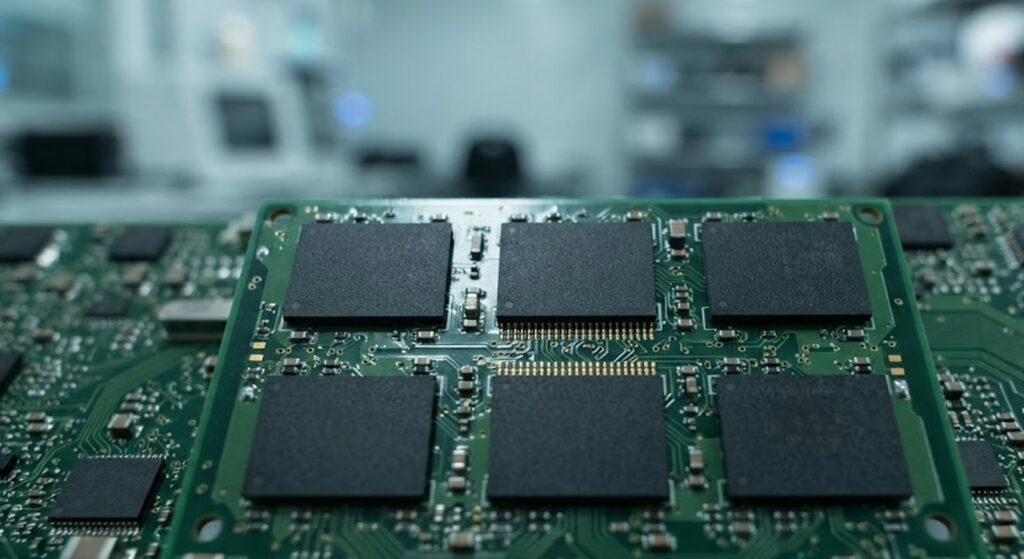
The strongest June quarter in its history, and the stock fell 6 percent. Artificial intelligence turned out to have a...

The FCC is closing the door to humanoid robots and power inverters, but only new ones. The millions of Chinese...

The player that raised the MP3 generation is betting nostalgia can be billed monthly. The new Winamp arrives in 2027,...

The man selling the world's best-known artificial intelligence says we will not work less. He also claims we will secretly...

Autonomous vehicles have blocked ambulances, driven into crime scenes and failed to recognise emergency lights. The bill demands the one...
This site uses cookies - is that okay? Learn more
Be the first to know when Metla launches something new
Leave your email and we will write when there is a new guide or something new on Metla.