


Police officer from Drachevo drove without ever passing a driving test: Who checks the people who check everyone else?
18.10.2026


18.10.2026

18.10.2026

18.10.2026

18.10.2026

18.10.2026

18.10.2026

18.10.2026

18.10.2026

18.10.2026

18.10.2026

18.10.2026

17.10.2026

18.10.2026

18.10.2026

18.10.2026

18.10.2026

17.10.2026

16.10.2026

18.10.2026

18.10.2026

18.10.2026

18.10.2026

18.10.2026

18.10.2026

18.10.2026

18.10.2026

17.10.2026

17.10.2026

15.10.2026

13.10.2026

23.04.2026

23.04.2026

12.04.2026

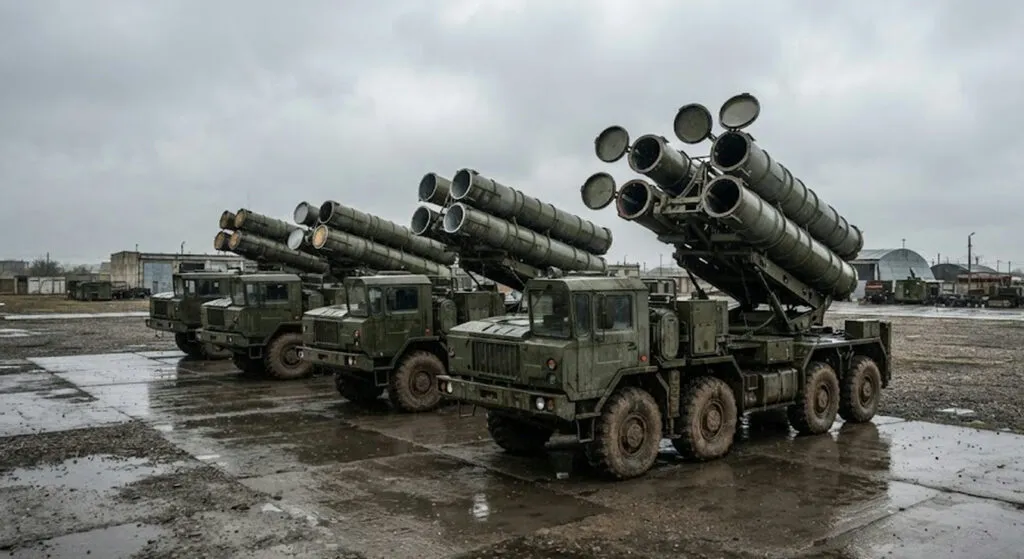
"There is only a limited number of missiles. The United States will not sacrifice the security of its own military personnel and its economic security for the sake of Ukraine." That's how, without much diplomacy, Jude Russo, editor of the American magazine The American Conservative, summed up the situation in an analysis published on 16 October. Behind the sentence lies simple arithmetic: the missiles that went into the war with Iran are no longer there for Ukraine.
According to US broadcaster CNN, which Russo cites, Ukraine has run out of available interceptor missiles for its Patriot systems, one of its most important tools against Russian ballistic missiles. The shortage coincided with a serious cooling between Kyiv and Washington: US restrictions on intelligence support, problems with satellite communications, and Donald Trump's demand that Ukraine stop attacking Russian energy infrastructure.
The Patriots head to the Gulf
At the same time, the Pentagon moved additional Patriot batteries to the Middle East. According to Axios, at the start of October the US sent two new batteries: one to Saudi Arabia, to protect oil facilities, and one to Qatar, to defend natural gas infrastructure. "Such a decision is hardly a surprise. The main weapon Iran uses against the US and its allies has already caused enormous damage to oil and gas interests, and with it to Western economies," Russo writes. In his view, protecting the Saudi oil company Saudi Aramco has become one of the White House's priorities, especially because of high fuel prices, which are a serious political problem for Trump ahead of the November congressional elections.
The Pentagon's arithmetic
Since the start of the war with Iran at the end of February, the US military has been using up huge quantities of interceptors to defend its bases, Israel and its allies in the Persian Gulf. According to estimates by the Center for Strategic and International Studies (CSIS), the US has used between 1,050 and 1,430 Patriot missiles in this conflict, up to 61 percent of the stockpile it had before the war. For THAAD systems the picture is even worse: an estimated 82 percent of pre-war interceptors have been used.
According to CBS, General Randy George, then chief of staff of the US Army, warned as early as December last year that stocks of Patriot and THAAD missiles would remain at critically low levels until 2030. Delivery of newly produced Patriot missiles takes on average about three and a half years, which means the factories simply can't keep up. The Pentagon, however, rejects claims that stocks are so depleted that they threaten the military's ability to carry out its missions.
While Kyiv runs out of interceptors, Moscow keeps up its missile strikes on Ukrainian energy infrastructure, trying to wear down air defences further before winter. Russo believes that limited US resources are one of the factors behind the intensified Russian attacks. "The war with Iran, because of direct American involvement and its impact on American economic interests, will always demand more attention and resources than a proxy conflict in Europe," he wrote. In his view, the Trump administration's increasingly harsh tone towards Zelensky can also be explained by the fact that Washington no longer has enough resources for the previous scale of military aid.
The great powers have long lists of "key partners" but short stockpiles of missiles. When the moment comes to choose, the oil in the Gulf weighs more than winter in Kyiv. How many times have the Balkans heard the word "strategic" - right up until something more strategic turned up somewhere else?
The latest 10 news from this category

Israel's minister condemned the attack - and in the same breath scolded the diplomats for not notifying the army. When...
The energy truce Trump imposed unilaterally has collapsed, and the war has reached a city 856 kilometres north of the...

The tanker that burned in Hormuz still has no name, but Tehran already knows whose fault it is. And who...

One bombed arms shipment split them apart, and Houthi missiles put them back on the same side. How long does...
While Trump presses Kyiv to stop hitting Russian refineries, the satellite system guiding Ukraine's drones suddenly stopped working at high...

Bombers that can also carry nuclear weapons fly along NATO's borders, and both sides claim they're playing by the rules....
While Trump strikes a diesel deal with Moscow, Kyiv has been left without US ballistic missile warnings. What is an...

The port of Izmail is being targeted, two cargo ships were hit on their way to Odesa, and five merchant...
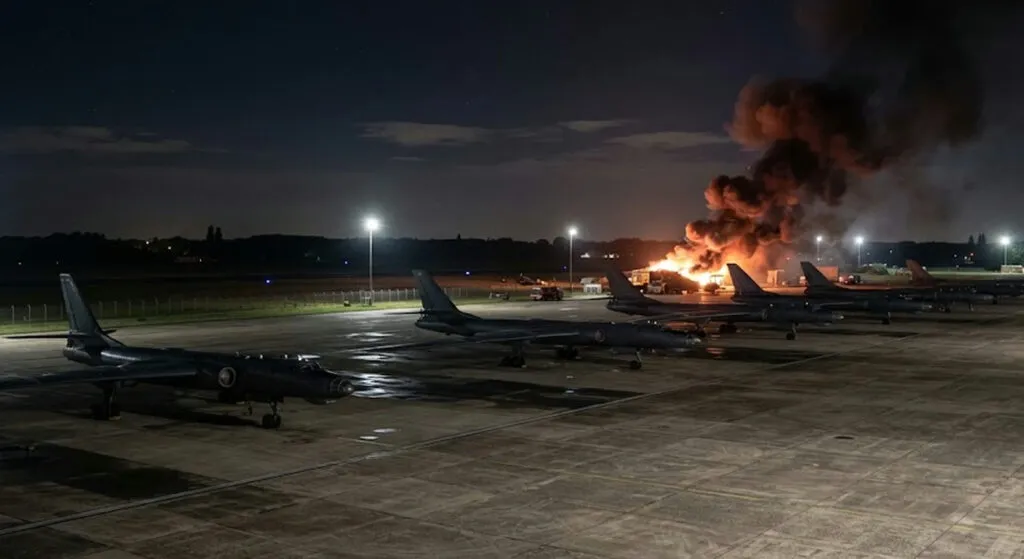
Kyiv claims six bombers hit, satellite image analysts count at least four. One thing is certain: a Ukrainian coastal missile...
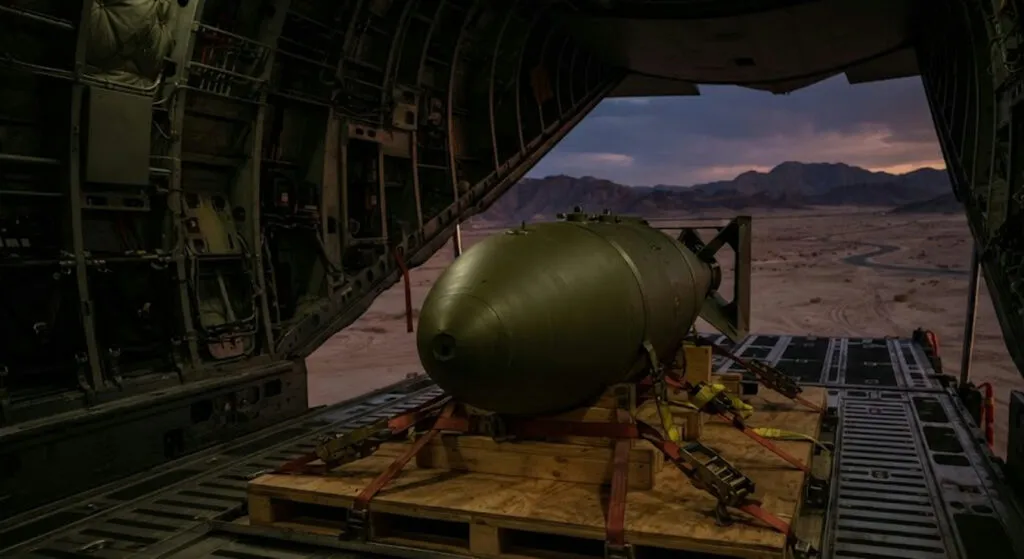
America's biggest non-nuclear bomb is in the plans for Iran, but even the sources doubt it can reach nuclear facilities...
This site uses cookies - is that okay? Learn more
Be the first to know when Metla launches something new
Leave your email and we will write when there is a new guide or something new on Metla.


