

Police officer from Drachevo drove without ever passing a driving test: Who checks the people who check everyone else?
18.10.2026


18.10.2026

18.10.2026

18.10.2026

18.10.2026

18.10.2026

18.10.2026

18.10.2026

18.10.2026

18.10.2026

18.10.2026

18.10.2026

17.10.2026

18.10.2026

18.10.2026

18.10.2026

18.10.2026

17.10.2026

16.10.2026

18.10.2026

18.10.2026

18.10.2026

18.10.2026

18.10.2026

18.10.2026

18.10.2026

18.10.2026

17.10.2026

17.10.2026

15.10.2026

13.10.2026

23.04.2026

23.04.2026

12.04.2026

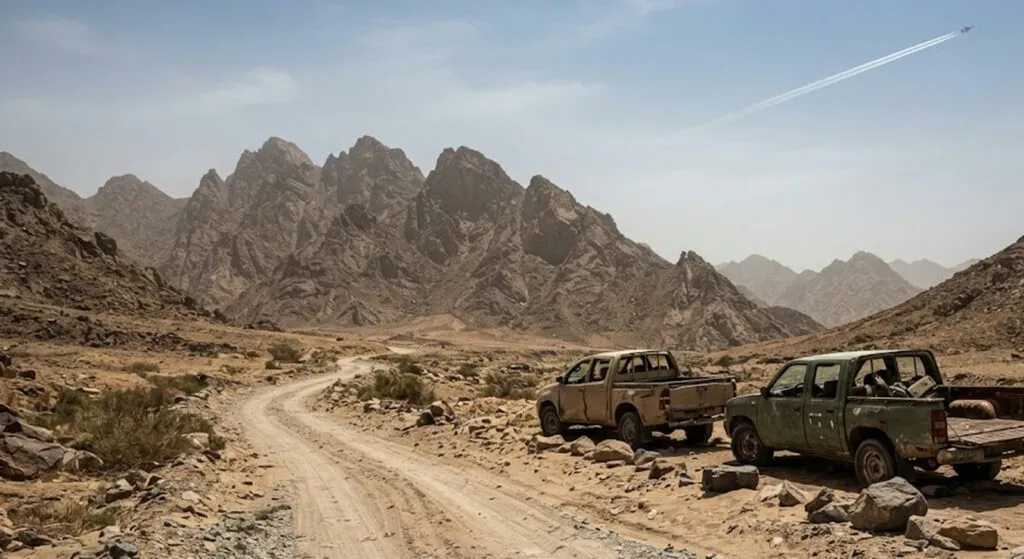
The United Arab Emirates, which pulled out of the war in Yemen in January, are coming back. According to Britain's Guardian, citing Yemeni sources, Abu Dhabi, in agreement with Saudi Arabia, will once again pay certain government forces fighting the Houthis in the south of the country. Riyadh, in return, has committed to providing air support to the forces fighting them.
If the report is confirmed, this is the first concrete sign that the deep rift between Riyadh and Abu Dhabi over Yemen's future may start to close. The motive is fear: the Houthis' advance across Yemen has alarmed the rulers of all the rival states in the Persian Gulf. Saudi Arabia faces drone and missile attacks every day and is struggling to keep the country running normally, as Houthi strikes paralyse its airports and parts of its energy infrastructure.
The forces in the south, above all the so-called "Giants Brigades", used to be trained and financed by the Emirates. They are considered one of the most effective parts of an otherwise divided anti-Houthi coalition. But when Abu Dhabi halted its operations in Yemen in January, it cut off their funding along with them.
The quarrel that split them
The break was brutal. The leader of the separatist Southern Transitional Council (STC), Aidarous al-Zubaidi, fled to Abu Dhabi in January, after his movement's failed attempt to take control of the south and announce a secession referendum within two years. The Saudis responded by bombing Emirati arms shipments intended for STC forces. The Emirates then announced they were withdrawing from Yemen, and the Riyadh-backed government said it would prosecute Zubaidi for high treason. There is still no direct contact between Zubaidi and Saudi officials today.
The open question is the referendum. Southern Yemen's separatists this week demanded a vote on secession, which would restore the borders of the period between 1967 and 1990, when Yemen was split into two states. Neither Riyadh nor Abu Dhabi responded. For now the Southern Transitional Council won't allow its troops to fight outside the borders of the former South Yemen, but if Riyadh explicitly accepted the referendum, that restriction would probably fall. The Balkans know well that a referendum on old borders rarely stays just a bargaining chip.
Meanwhile, the internationally recognised government based in Aden last week announced a counteroffensive to drive the Houthis out of the capital, Sanaa. So far success has been limited - in the Majzar district, near Marib, and near the Bab el-Mandeb strait. On paper, the new deal looks like unity against a common enemy. The real test will come with the first question about whose south it will be once the Houthis pull back.
The latest 10 news from this category

Israel's minister condemned the attack - and in the same breath scolded the diplomats for not notifying the army. When...
The energy truce Trump imposed unilaterally has collapsed, and the war has reached a city 856 kilometres north of the...
The tanker that burned in Hormuz still has no name, but Tehran already knows whose fault it is. And who...
America has missiles for Saudi oil and Qatari gas, while Ukraine is left without interceptors before winter. When the great...
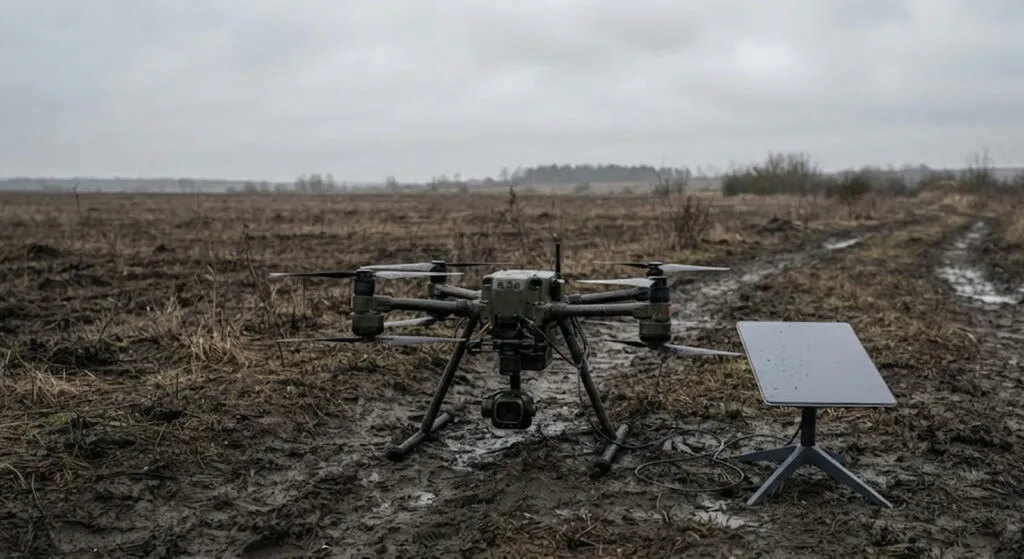
While Trump presses Kyiv to stop hitting Russian refineries, the satellite system guiding Ukraine's drones suddenly stopped working at high...

Bombers that can also carry nuclear weapons fly along NATO's borders, and both sides claim they're playing by the rules....
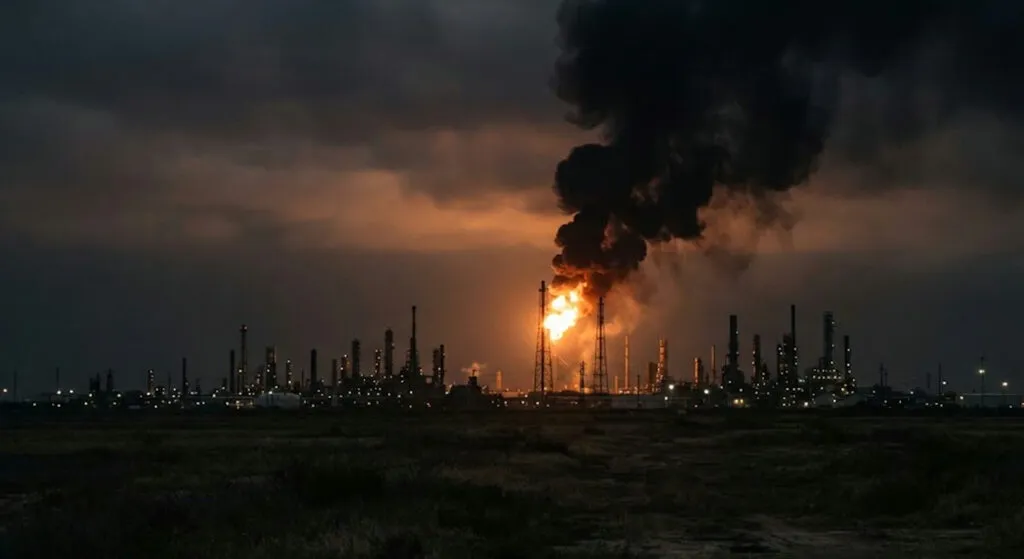
While Trump strikes a diesel deal with Moscow, Kyiv has been left without US ballistic missile warnings. What is an...
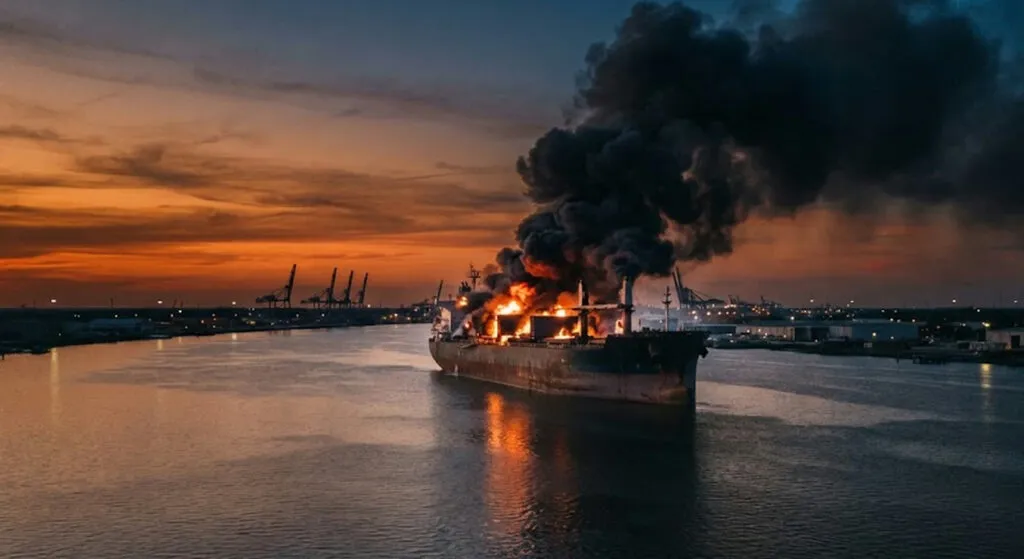
The port of Izmail is being targeted, two cargo ships were hit on their way to Odesa, and five merchant...
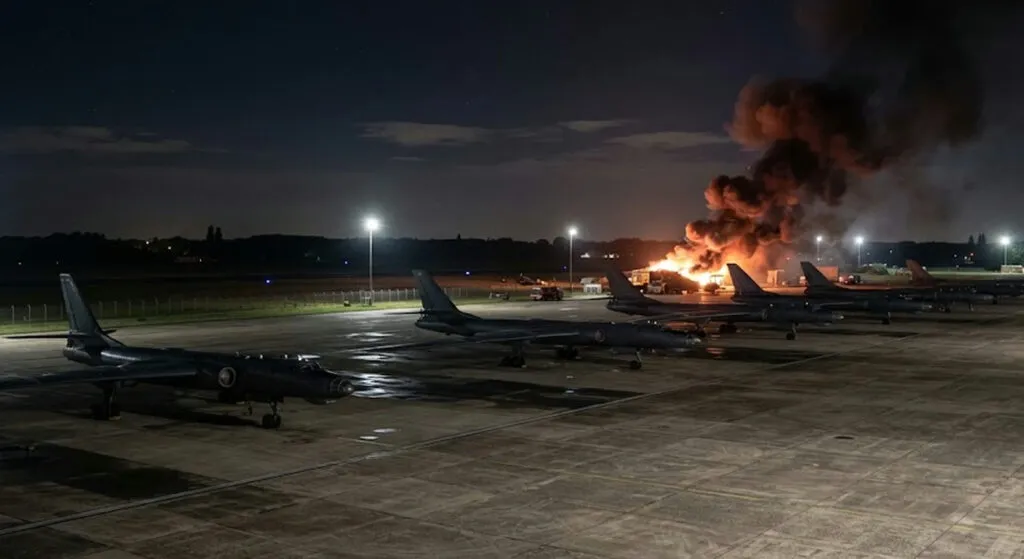
Kyiv claims six bombers hit, satellite image analysts count at least four. One thing is certain: a Ukrainian coastal missile...
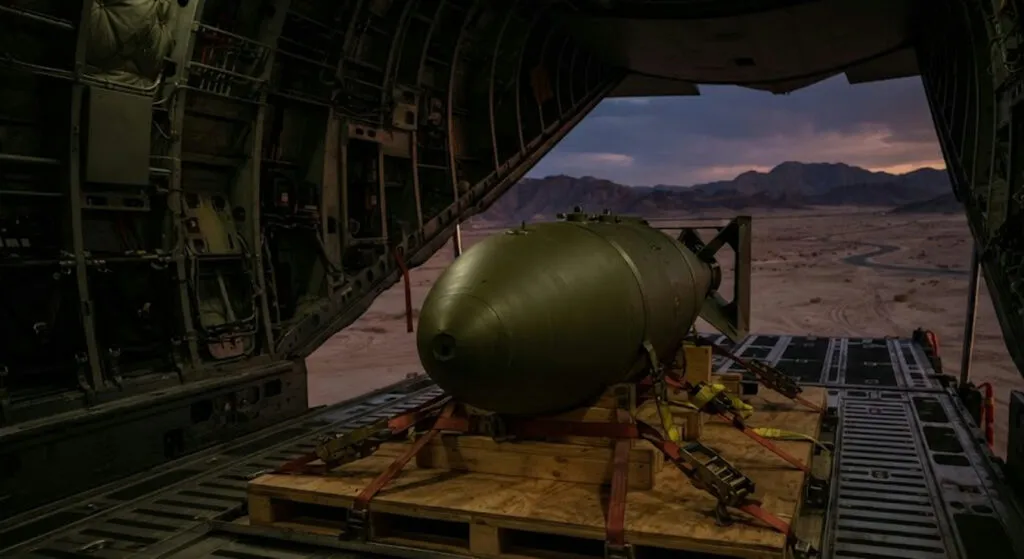
America's biggest non-nuclear bomb is in the plans for Iran, but even the sources doubt it can reach nuclear facilities...
This site uses cookies - is that okay? Learn more
Be the first to know when Metla launches something new
Leave your email and we will write when there is a new guide or something new on Metla.


