


The Mihailova Case Goes to NATO: Mickoski Blames Sofia, and the Interior Ministry Still Hasn't Explained How She Crossed the Border
17.10.2026


17.10.2026

17.10.2026

17.10.2026

17.10.2026

17.10.2026

17.10.2026

17.10.2026

17.10.2026

16.10.2026

17.10.2026

17.10.2026

16.10.2026

17.10.2026

17.10.2026

17.10.2026

17.10.2026

16.10.2026

15.10.2026

17.10.2026

17.10.2026

17.10.2026

17.10.2026

17.10.2026

17.10.2026

17.10.2026

16.10.2026

15.10.2026
17.10.2026

15.10.2026

13.10.2026

23.04.2026

23.04.2026

12.04.2026

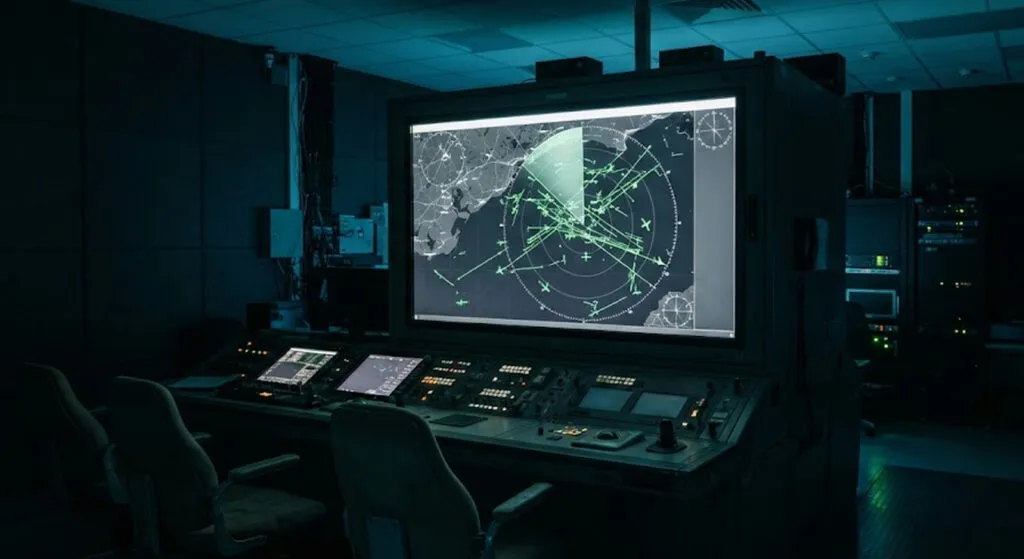
Russian long-range Tu-22M3 bombers carried out a planned flight over neutral waters of the Baltic Sea, Russia's Ministry of Defence announced. The flight lasted more than four hours, and the bombers were escorted by Russian Su-35S and Su-30SM fighters. At certain stages of the operation, according to Moscow, fighter jets from foreign countries also appeared. Which countries and how many aircraft - the ministry didn't specify.
Moscow presents it as routine. According to the Russian Ministry of Defence, the flight was carried out in international airspace, in line with international rules, and long-range aviation crews regularly fly such missions over the Arctic, the North Atlantic, the Pacific Ocean and the Baltic. The Russian side reported no incidents and no violation of the airspace of any NATO member.
Except that "routine" is a word that depends on who's watching the plane. The Tu-22M3 is a supersonic bomber that can carry cruise missiles, including missiles designed to destroy large surface targets such as warships. It can carry both conventional and nuclear weapons. That's why every one of its flights near NATO airspace is watched with particular attention - and why the fighters scramble.
And they scramble often. At the end of September, Lithuania's Ministry of Defence said that jets from NATO's Baltic air policing mission were scrambled six times in a single week because of Russian military aviation activity. According to the Lithuanians, the Russian aircraft flew without filing flight plans in advance and with their transponders switched off - the devices that let controllers identify and track aircraft. Moscow replies that its planes break no rules.
In the background is Kaliningrad. The Russian region is wedged between Poland and Lithuania, with no land link to the rest of Russia, and last month Moscow warned NATO that any attempt to blockade Kaliningrad could trigger a serious military response, including the use of nuclear weapons. When "blockade" and "nuclear" appear in the same sentence, a flight of more than four hours over the Baltic stops being just an exercise for the pilots.
The Balkans know the war of nerves well - presence, demonstration, "nothing happened." The difference is scale: in the Baltic, every misread manoeuvre happens along a NATO border, with weapons that can carry nuclear warheads. How long can a game last in which both sides claim to respect the rules, while in a single week the fighters scrambled six times?
The latest 10 news from this category
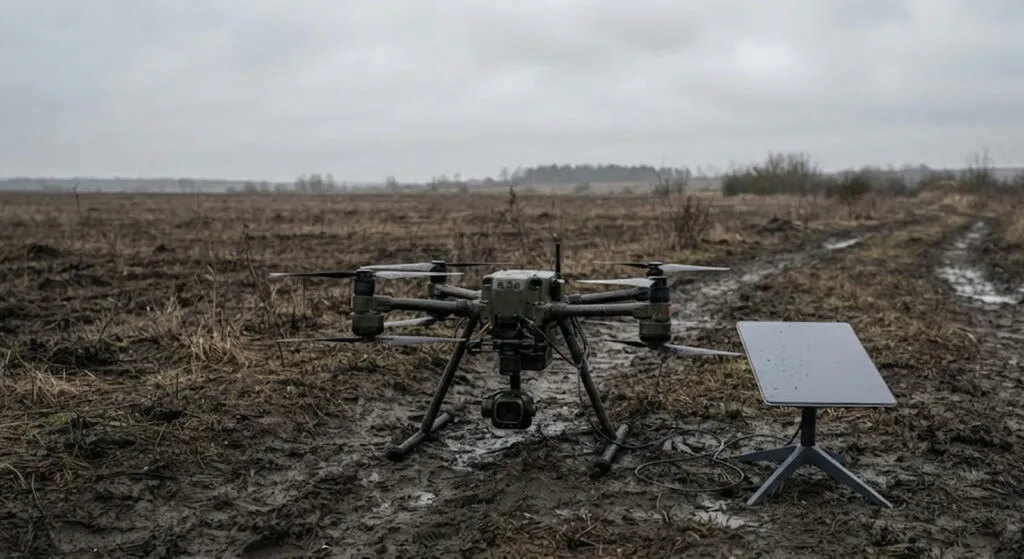
While Trump presses Kyiv to stop hitting Russian refineries, the satellite system guiding Ukraine's drones suddenly stopped working at high...

While Trump strikes a diesel deal with Moscow, Kyiv has been left without US ballistic missile warnings. What is an...

The port of Izmail is being targeted, two cargo ships were hit on their way to Odesa, and five merchant...
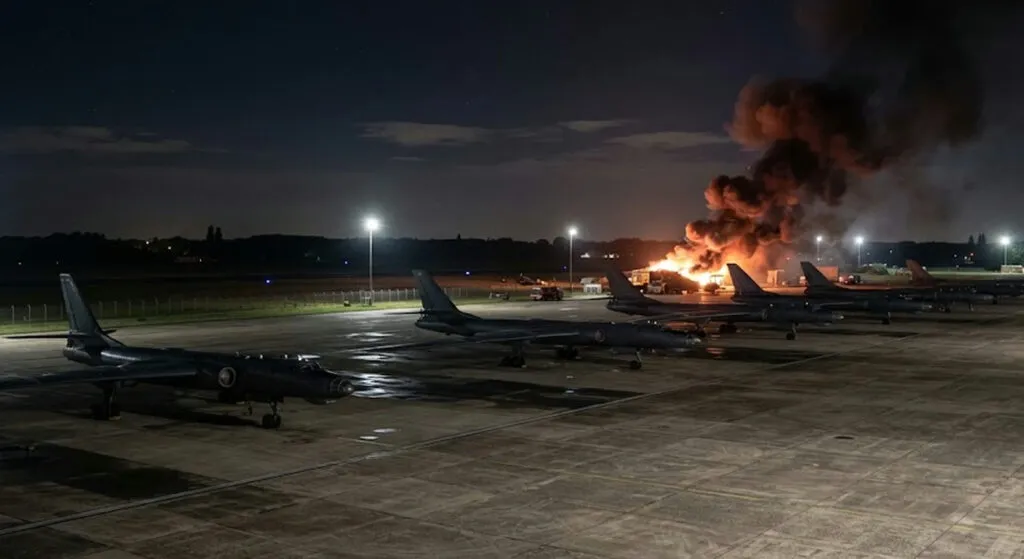
Kyiv claims six bombers hit, satellite image analysts count at least four. One thing is certain: a Ukrainian coastal missile...
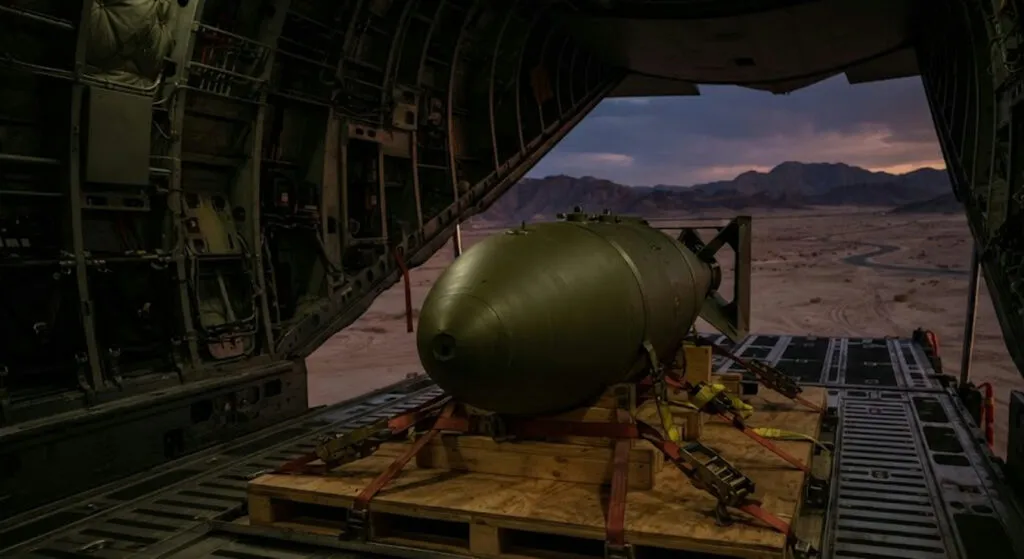
America's biggest non-nuclear bomb is in the plans for Iran, but even the sources doubt it can reach nuclear facilities...
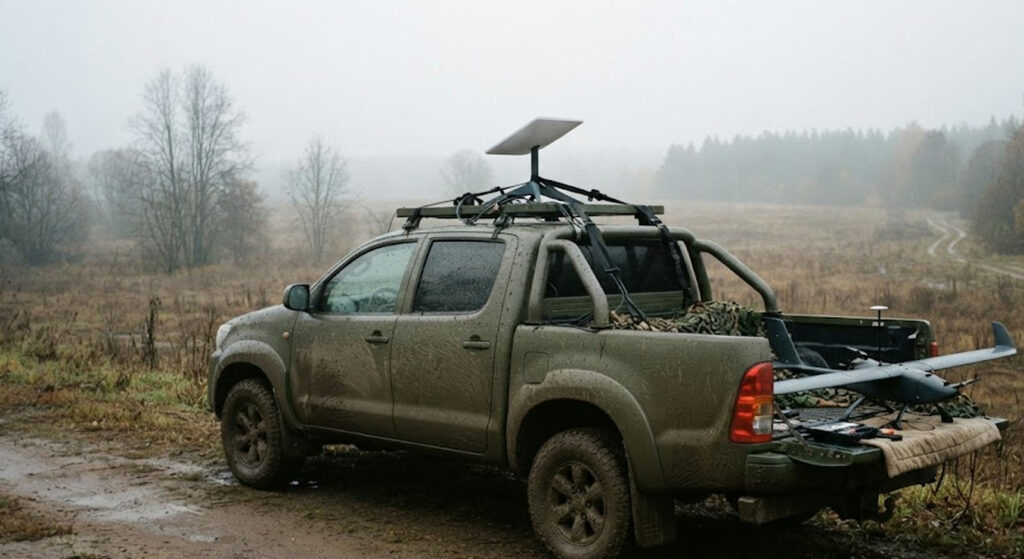
One overnight restriction, and medium-range drone strikes ground to a halt. The Balkans learned long ago that an ally and...
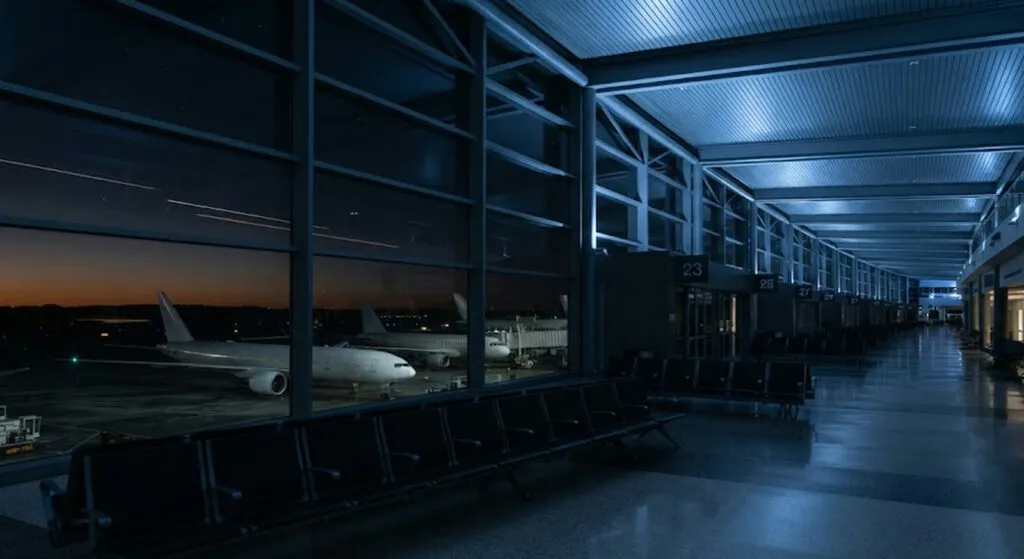
For the second night running Ukrainian drones are flying toward the Russian capital, and passengers from Hurghada and Istanbul are...
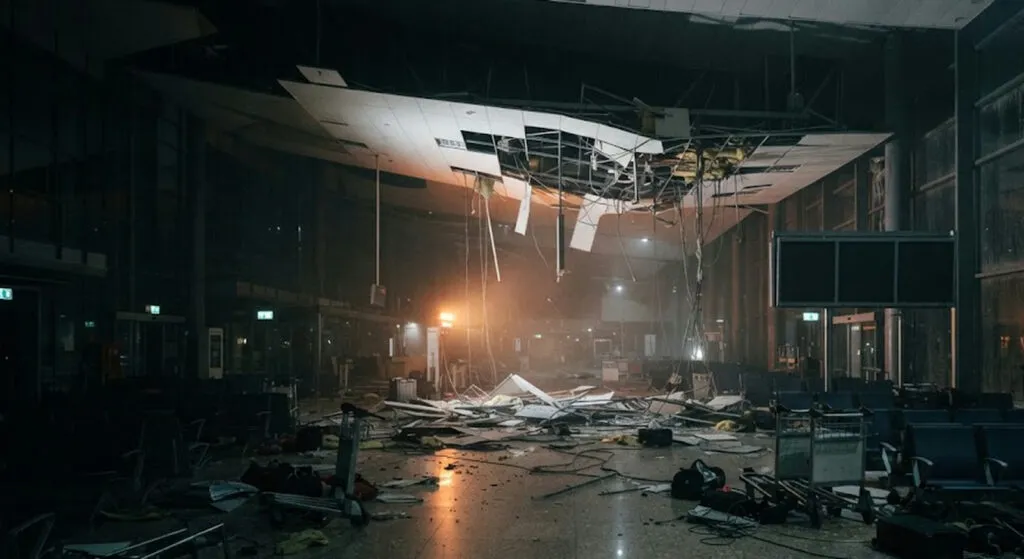
A trillion dollars of investment promised to America, and in return - military advisers. The crown prince who wanted to...
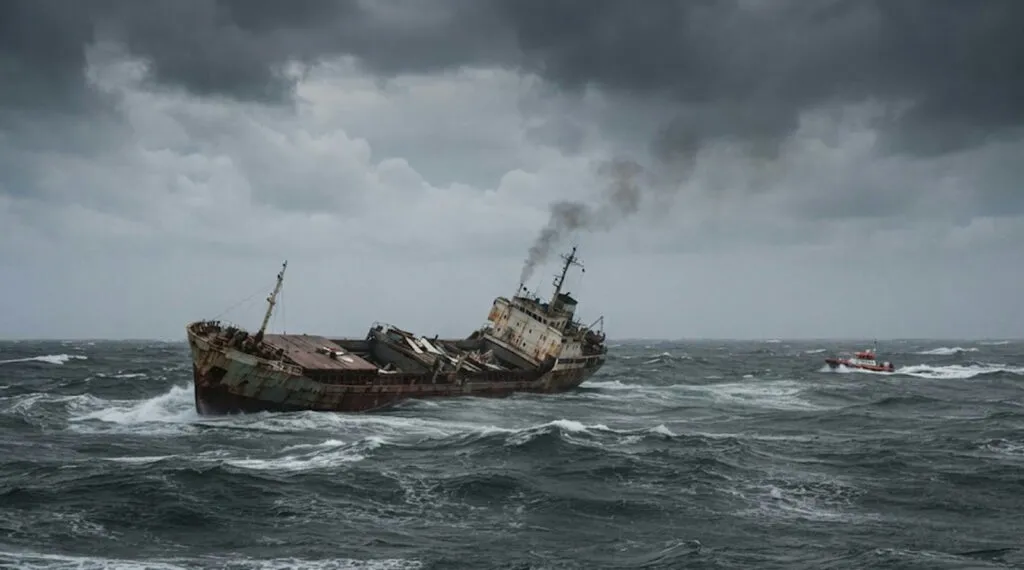
Two cargo ships hit, one on the seabed, sailors still missing - and all of it in the waters of...
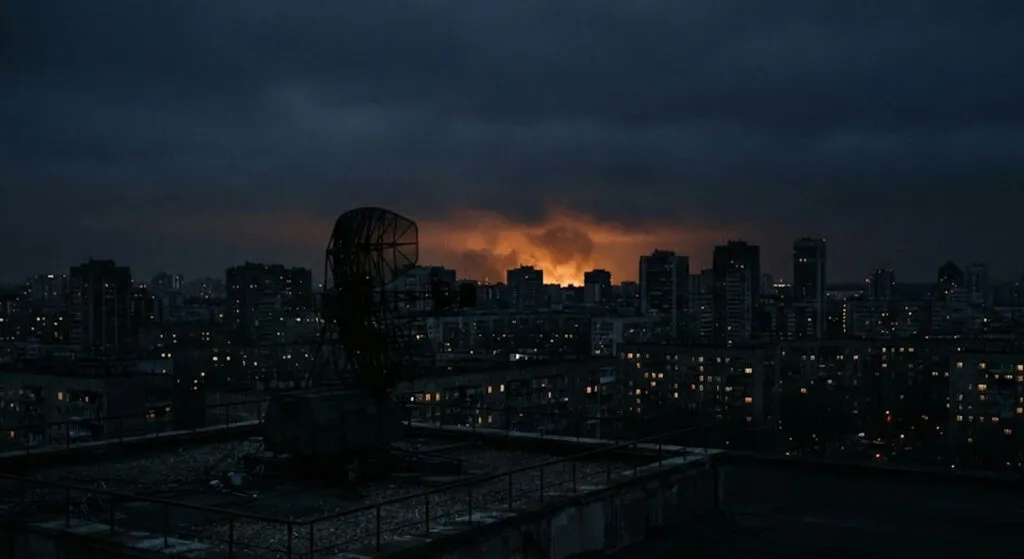
The Ukrainian military admits it knew nothing about the launch - radar only picked up the missiles over the city....
This site uses cookies - is that okay? Learn more
Be the first to know when Metla launches something new
Leave your email and we will write when there is a new guide or something new on Metla.


