Шест години лажни категории во возачки дозволи од шалтер во МВР: обвинети шестмина, уште 21 лице под истрага
21.09.2026


21.09.2026

21.09.2026
21.09.2026

21.09.2026

21.09.2026

21.09.2026

21.09.2026

20.09.2026

20.09.2026

21.09.2026

21.09.2026

20.09.2026

21.09.2026

21.09.2026

21.09.2026

21.09.2026

20.09.2026

19.09.2026

21.09.2026

21.09.2026

21.09.2026

21.09.2026

21.09.2026

21.09.2026

09.03.2026

27.02.2026

19.02.2026
20.09.2026

19.09.2026

18.09.2026

23.04.2026

23.04.2026

12.04.2026

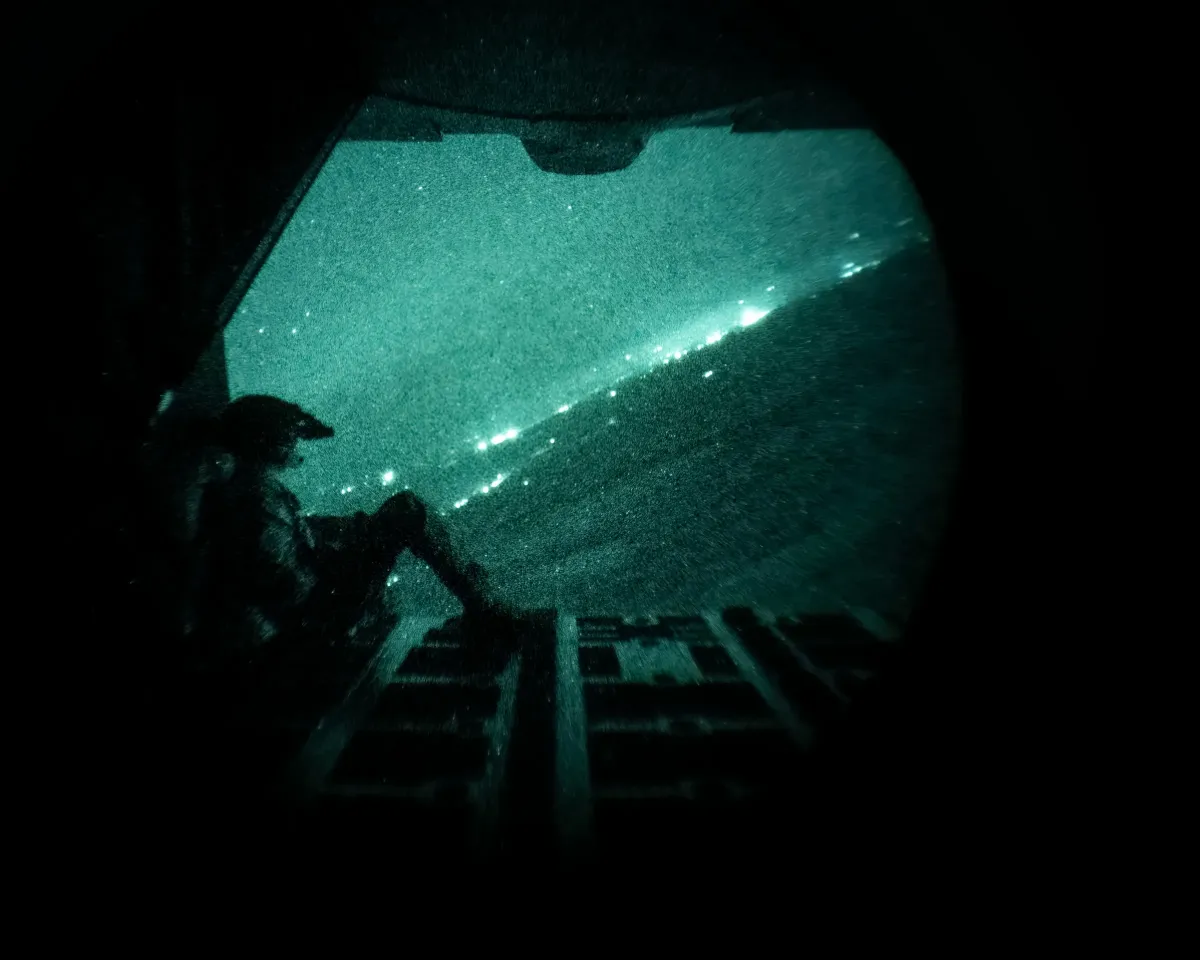
The Pentagon is ready for a new military strike on Iran - and not in theory. According to reporting from the New York Times, the Pentagon has two concrete scenarios sitting on Donald Trump's desk: an expanded bombing campaign or a ground raid by American special forces on the nuclear facility in Isfahan.
The scenario was prepared after Trump's return from China. Iranian peace proposals have been thrown out - according to sources, Trump tosses out any proposal that opens with a phrase he doesn't like. That's not precise analysis - that's mood instead of strategy. But when mood decides on a military strike in the Middle East, the consequences aren't only for Tehran.
The two options are concrete. First - expanded bombing of Iranian military infrastructure, with a focus on missile positions and Revolutionary Guard depots. Second - a ground raid by special forces trying to reach the highly enriched uranium in Isfahan, deep underground. That requires "several hundred special forces" who have been on the ground since March, backed by thousands of additional troops to secure the area.
"We have a plan ready for escalation if needed," said Defence Secretary Pete Hegseth. General Dan Caine, chairman of the Joint Chiefs of Staff, confirmed that 50,000+ troops, two aircraft carriers and several destroyers are ready for action. On the Iranian side, parliament speaker Mohammad Bagher Ghalibaf warned of "surprises" in case of aggression.
Iran has managed to restore access to 30 of 33 missile positions on the Strait of Hormuz. That means any strike on Isfahan risks an instant response on the oil tankers passing through one of the most critical sea passages for the global economy. This isn't a war for the region only. It's a global oil-shock scenario.
For the Balkans, this isn't a distant war. An oil shock, refugee waves into the EU, and a new round of regional strikes in the Eastern Mediterranean can all reach the queues at cafés in Skopje, Sofia and Athens within five days. When the Pentagon is gearing up, and when Iran is counting on 33 missile positions at Hormuz, the question is - who in the Balkans actually has the budget for a new wave of refugees, new energy hits and a new war?
The latest 10 news from this category
Во ноќта кога Русија ги завршуваше парламентарните избори, украинските дронови стигнаа до рафинеријата во Капотња и до станбените згради во...
Секоја реченица за ноќешната офанзива има ист автор - руското Министерство за одбрана. Дим над Киев има, бројки за жртви...
Соопштението на Телеграм звучи како трејлер: дронови што ослепуваат дронови, роботи што се спуштаат од воздух зад непријателот и три...
Black smoke over the main airport, sirens in the middle of the night and a state that will not say...
Western agencies say no decision has been taken - only preparations that would let it all happen overnight. In the...
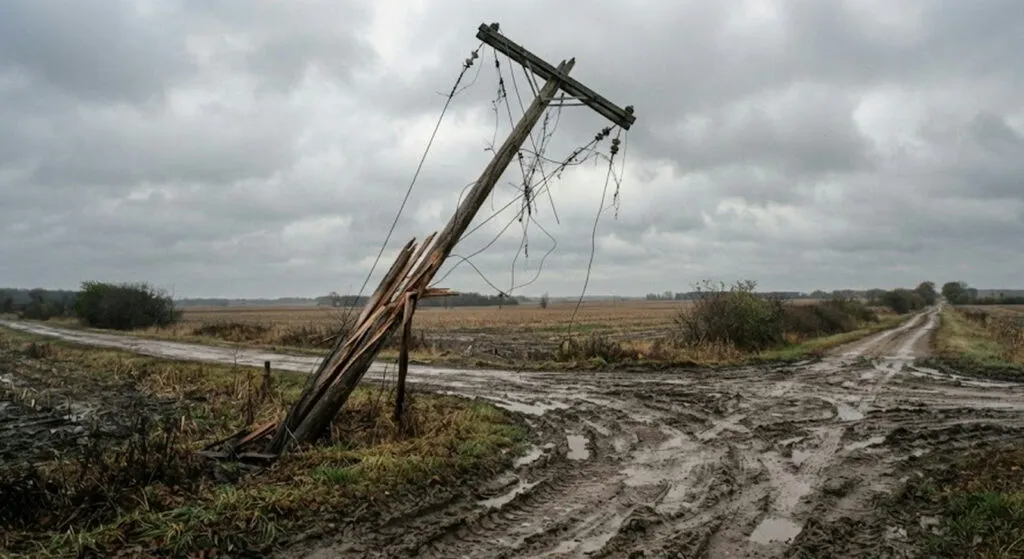
A Russian commander promised to cut the Kharkiv encirclement "like a pie". Every number comes from the camp running the...
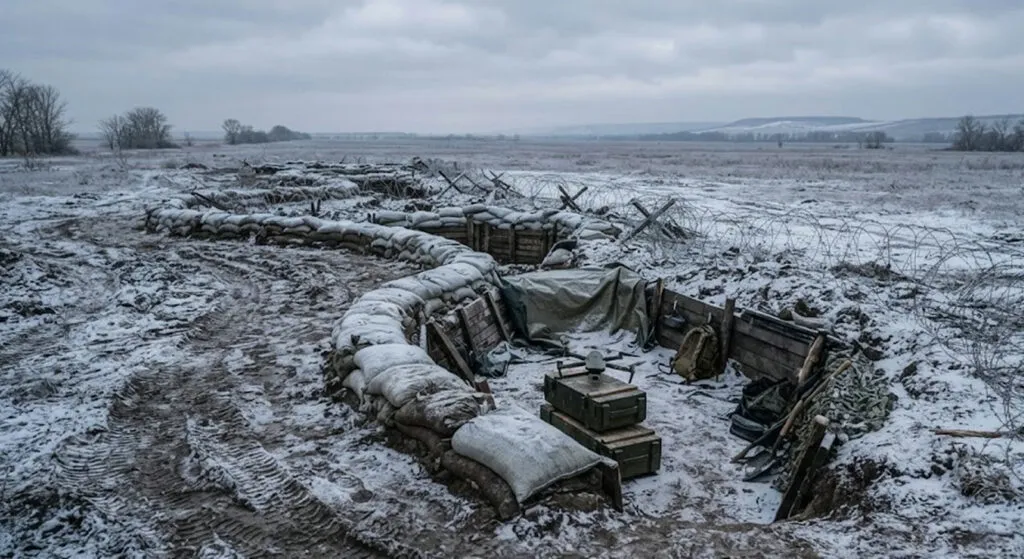
Around 8,500 North Korean soldiers are still in Russia, among them 1,000 engineers and 400 drone operators. Estimates point to...
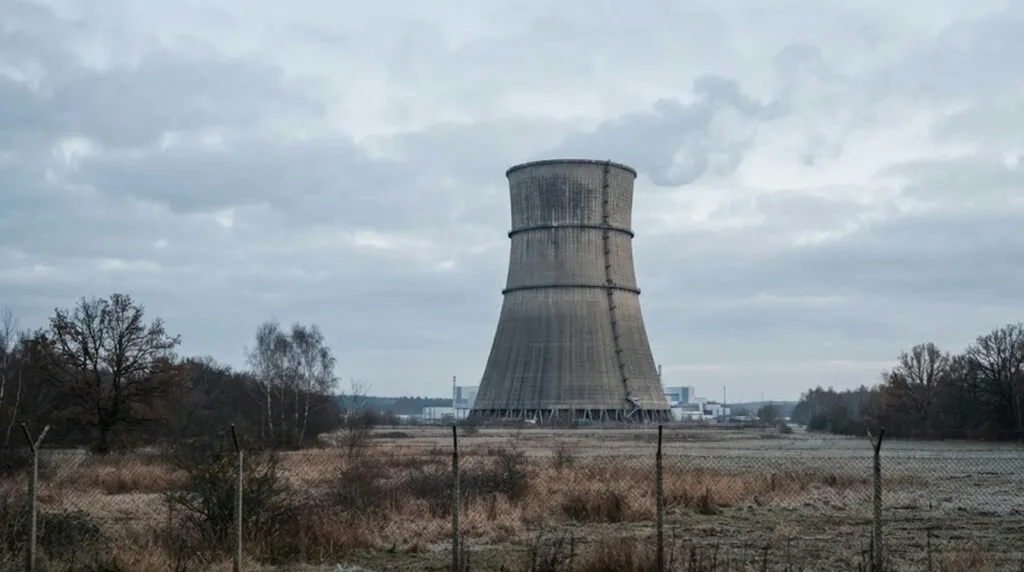
The unit was running, the operating regime did not change, there was no fire. The difference between a news item...
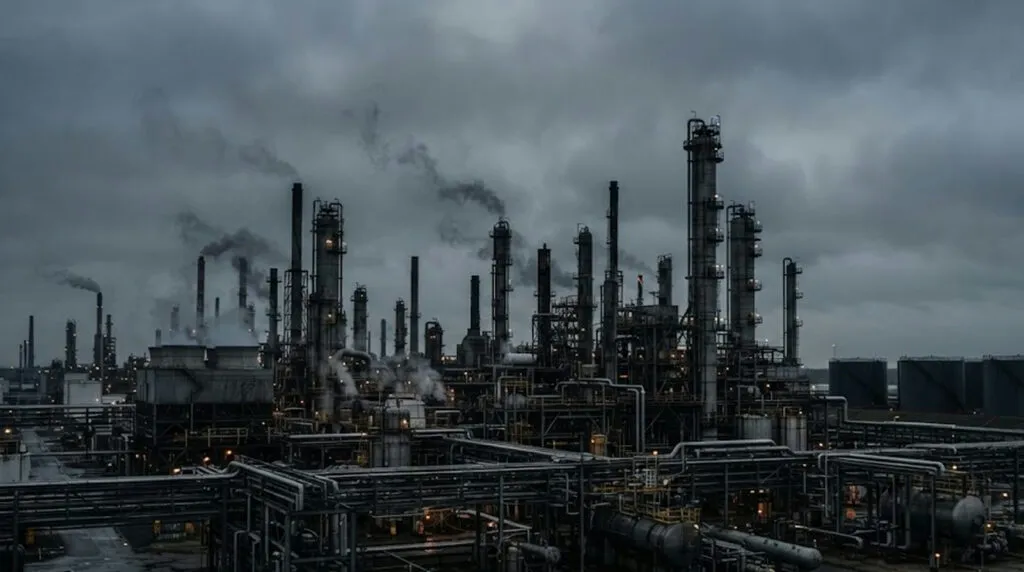
The bill passed with 262 votes, and the key to it has been handed to a man who has already...
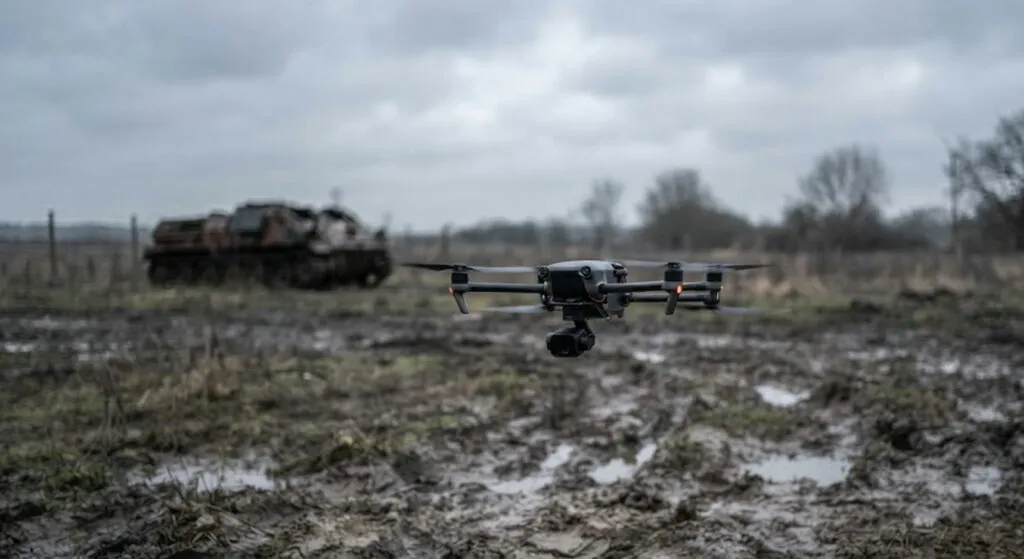
Ukraine adapts in weeks, the Alliance in decades. Europe is paying for Patriot systems from 1991 and is only now...
This site uses cookies - is that okay? Learn more
Be the first to know when Metla launches something new
Leave your email and we will write when there is a new guide or something new on Metla.