

Studeničani: 35-year-old dies after being electrocuted while washing his car with a pressure washer
18.09.2026


18.09.2026
18.09.2026

18.09.2026

18.09.2026

18.09.2026
18.09.2026
18.09.2026

17.09.2026

16.09.2026

18.09.2026

18.09.2026

17.09.2026

18.09.2026

18.09.2026

18.09.2026

18.09.2026

17.09.2026

16.09.2026

18.09.2026

18.09.2026

18.09.2026

18.09.2026

17.09.2026

17.09.2026

09.03.2026

27.02.2026

19.02.2026

18.09.2026
17.09.2026

16.09.2026

23.04.2026

23.04.2026

12.04.2026

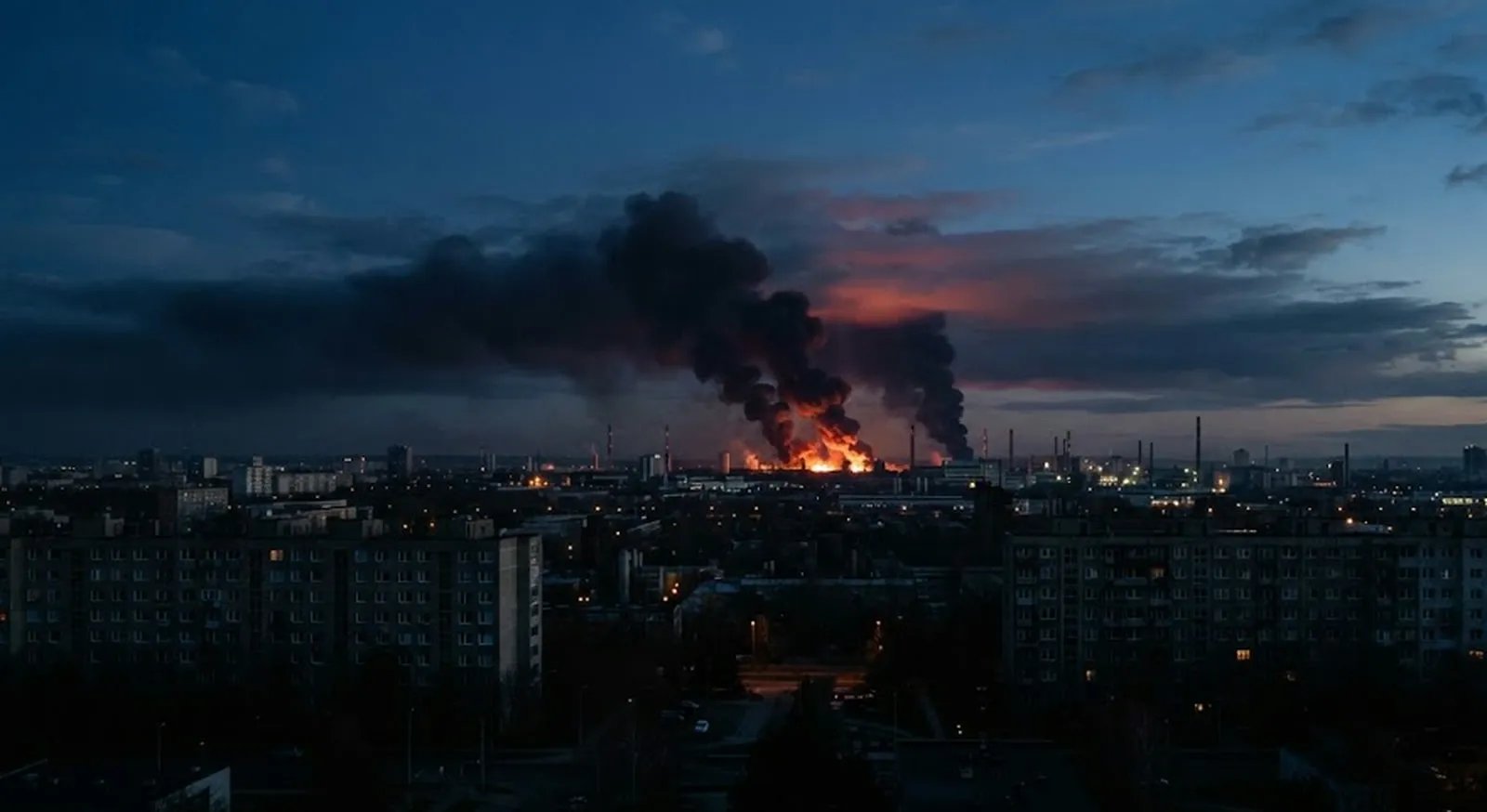
Kyiv spent the night between Friday and Saturday the way it has spent them for a third year now - in a basement, phone in hand, listening to a sound you do not forget. Ballistic missiles struck in at least four separate waves. Not one strike, not a single moment of surprise, but four times in a row for the city to think it was over, and four times to learn it was not.
Fires broke out at several locations. Warehouse complexes burned in the capital itself and in Vyshneve, a town west of Kyiv. Thick black smoke rose over the hit areas, visible from the opposite end of the city, and rescue crews were still fighting the flames when daylight came. Mayor Vitali Klitschko confirmed operations were ongoing. According to initial Ukrainian figures, at least three people were killed and several more injured.
Russian sources claim the strikes on Vyshneve were carried out with missiles from the Iskander operational-tactical system and that the targets were military facilities. Some of the warehouses hit were, again according to Russian channels, being used by Ukrainian armed forces. None of these claims has official confirmation. There is smoke, there are dead, and there are two sides describing two different nights.
This is worth pausing on. Every attack like this arrives with the same structure: the strike, then immediately the explanation for why the strike was legitimate. A warehouse means logistics, logistics means the military, the military means a permitted target. The phrasing is clean, almost administrative - which is exactly why it should be read carefully. When one night kills three civilians in residential districts, the claim that everything hit was military is not a fact, it is a side in an argument.
There is another detail that slips past easily. The strikes were not one wave but four. That is not a technical footnote. The first wave drives people into shelters; the ones that follow catch the rescuers, the firefighters and those who came out to see what was burning. Whoever designs that timing knows exactly what they are doing with it.
And while Kyiv counts, Europe debates the dates of the next summit. The Balkans know this scene by heart - long talks about somebody else's war, while that war writes its own statistics every morning without waiting for anyone's conclusions. The question is not whether there are negotiations. The question is how many more nights like this will pass before those negotiations find a date.
The latest 10 news from this category

The bill passed with 262 votes, and the key to it has been handed to a man who has already...
Ukraine adapts in weeks, the Alliance in decades. Europe is paying for Patriot systems from 1991 and is only now...
Missiles and drones on the Ukrainian capital, damaged water mains and residential buildings. The same night, Ukrainian drones set the...

Trump hopes the war is ending and is preparing to gather the Gulf leaders. Oil prices have jumped, and the...
Ukraine says when, where and which unit did it. Russia's defence ministry has not a single sentence about the circumstances....

Norway's prime minister talks about a plane a drone "almost hit". Moldova, the only party holding the figures, reported that...
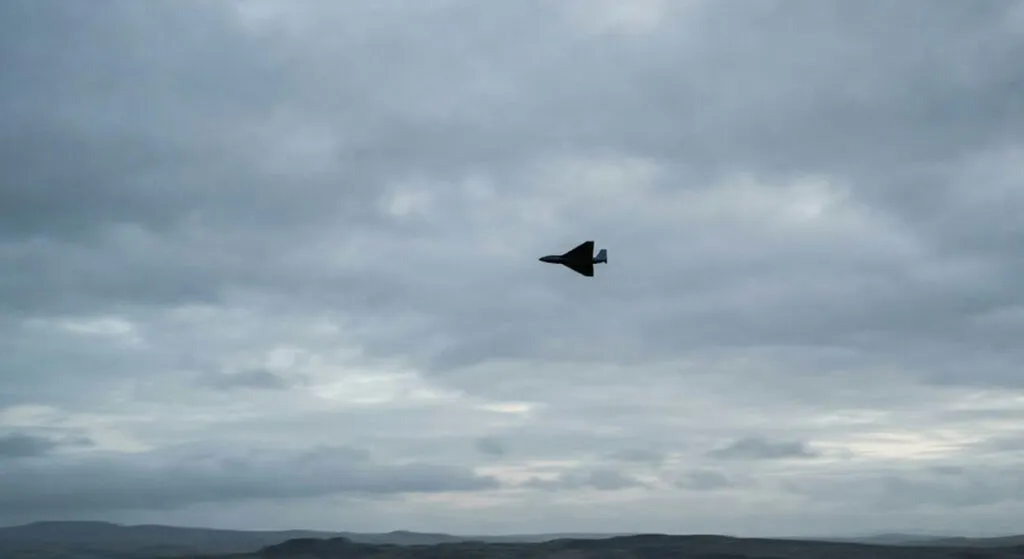
Ukraine was shooting down nine out of ten of the old drones. Then Russia changed the drone - and in...
It was shot down a few minutes after midnight, and all of Vilnius got a warning on their phones. Two...
The entire story comes from one side, and the headlines turn it into a turning point. The difference between the...
Between 2,300 and 3,000 North Korean soldiers have died in Kursk so far. Kim Jong Un has found an export...
This site uses cookies - is that okay? Learn more
Be the first to know when Metla launches something new
Leave your email and we will write when there is a new guide or something new on Metla.
