


Kratovo man stabs police officer mid-intervention: prosecutors want the 40-year-old detained
15.09.2026


15.09.2026

15.09.2026

15.09.2026

15.09.2026

15.09.2026

15.09.2026

15.09.2026

14.09.2026

13.09.2026

15.09.2026

15.09.2026

14.09.2026

15.09.2026

15.09.2026

15.09.2026

15.09.2026

14.09.2026

13.09.2026

15.09.2026

15.09.2026

15.09.2026

15.09.2026

15.09.2026

14.09.2026

09.03.2026

27.02.2026

19.02.2026

15.09.2026

14.09.2026

14.09.2026

23.04.2026

23.04.2026

12.04.2026


Ukrainian monitoring channels published a warning that Iran could fire three ballistic missiles at Ukraine in the coming days, and told citizens to be ready for an attack on 28 or 29 July. The headlines moved immediately. What did not move at the same speed was the confirmation.
Because in the same story, a few lines further down, it says there is no official confirmation that Tehran has decided to attack at all. Ukrainian authorities and armed forces have published no data on launch preparations. The type of missile is unknown. Where they would be launched from is unknown. It is not even known whether this would be a direct Iranian attack or Russian weapons transferred earlier.
So: nobody knows who, nobody knows with what, nobody knows from where - but the date is exact to the day. That is not intelligence, that is a schedule.
The warning follows threats from pro-Iranian channels, after Ukrainian President Volodymyr Zelensky claimed Ukrainian forces had hit Russian military and cargo ships in the Caspian Sea that were being used to move military equipment between Russia and Iran. The pro-Iranian channel „Middle East Spectator” then published a map of the range of Iran's „Khorramshahr-4” ballistic missiles, claiming the entire territory of Ukraine falls within their radius of around 2,000 kilometres.
A map, a channel, a claim. Three things that in 2026 travel the whole way from Telegram to a global headline in under half a day, without a single signature beneath them. That is wartime information today - it is not verified, it is shared.
Part of the warning is nonetheless practical and requires no faith in the source at all. The monitoring channels cite a medium level of danger from a ballistic strike overnight and urge people not to ignore air raid alerts, because the high speed of ballistic missiles can make the time between detection and possible impact very short. There is no arguing with that - a person hearing a siren does not have the luxury of waiting for two-source confirmation.
But the distance between „go to the shelter when the siren sounds” and „Iran attacked Ukraine” is enormous, and in the headlines that distance vanished. The question left is not whether Tehran will fire something, but why we are ready to accept it as news before anyone has put their name to it. The Balkans know this scene by heart - panic always arrives faster than the fact, and never apologises when it disperses.
The latest 10 news from this category

Between 2,300 and 3,000 North Korean soldiers have died in Kursk so far. Kim Jong Un has found an export...
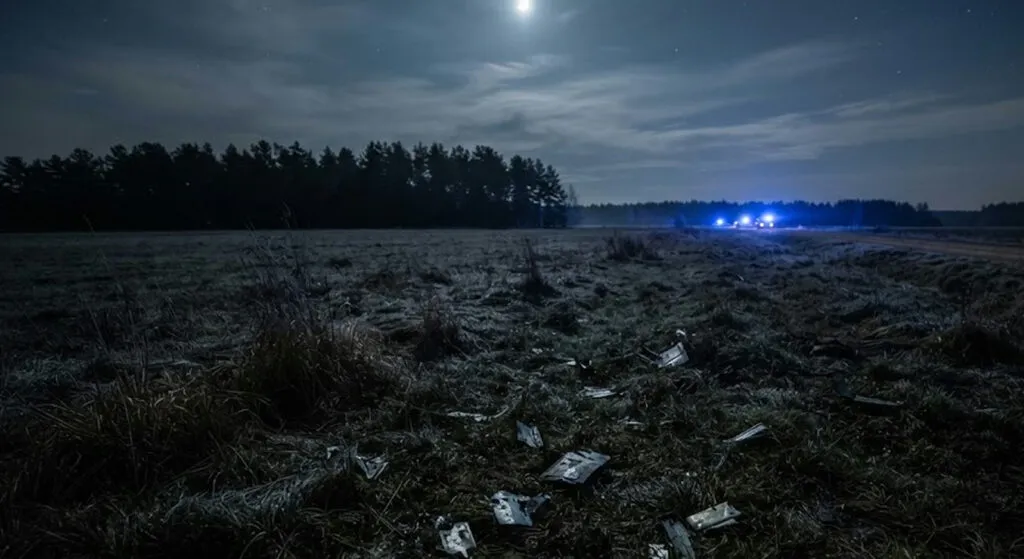
A NATO fighter jet downed an unmanned aircraft over Lithuania minutes after midnight, and citizens got the warning on their...

The train was empty, the locomotive damaged, nobody hurt. But Boris Johnson and a group of European security advisers had...
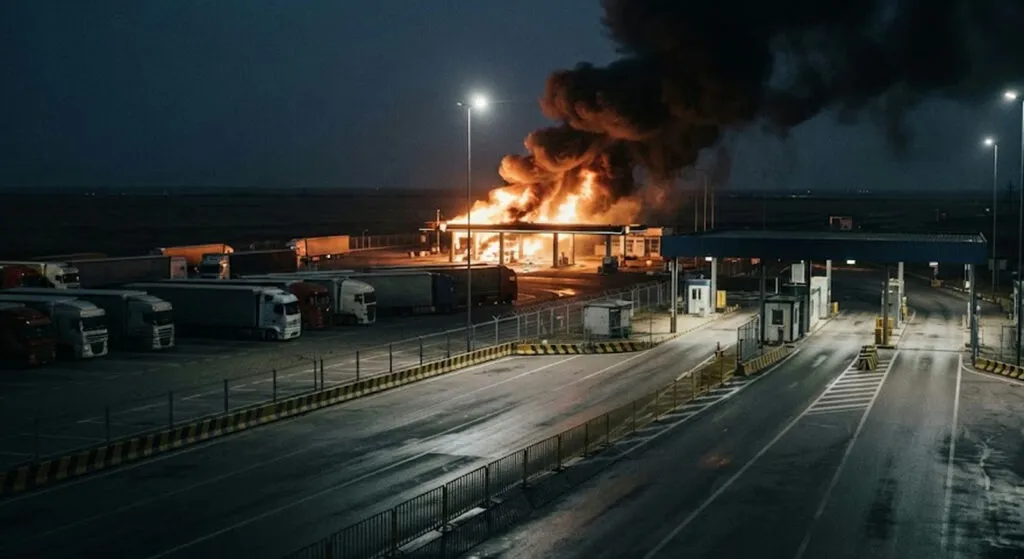
453 drones in one night, 405 shot down - and the forty-eight that got through land somewhere. Poland's prime minister...

Trump's son-in-law told an audience in Kyiv the deal is done - if Ukraine withdraws. And added that the battlefield...

A barren volcanic rock in the middle of a strait 28 kilometres wide changed the oil market in a single...

Hostomel, Odesa, Kryvyi Rih - targets that are not the front line but the supply chain. A war against the...

We don't want war with Europe, but here is exactly how that war would start. He said both sentences in...

When an army recalls its special forces with a 12-hour deadline, that is not a rota but a signal. The...

Port infrastructure in Makhachkala and the theatre building caught fire, the governor said. Moscow claims it shot down 448 drones...
This site uses cookies - is that okay? Learn more
Be the first to know when Metla launches something new
Leave your email and we will write when there is a new guide or something new on Metla.
