

Studeničani: 35-year-old dies after being electrocuted while washing his car with a pressure washer
18.09.2026


18.09.2026

18.09.2026

18.09.2026

18.09.2026

18.09.2026
18.09.2026
18.09.2026

17.09.2026
16.09.2026

18.09.2026

18.09.2026

17.09.2026

18.09.2026

18.09.2026

18.09.2026

18.09.2026

17.09.2026

16.09.2026

18.09.2026

18.09.2026

18.09.2026

18.09.2026

17.09.2026

17.09.2026

09.03.2026

27.02.2026

19.02.2026

18.09.2026
17.09.2026
16.09.2026

23.04.2026

23.04.2026

12.04.2026

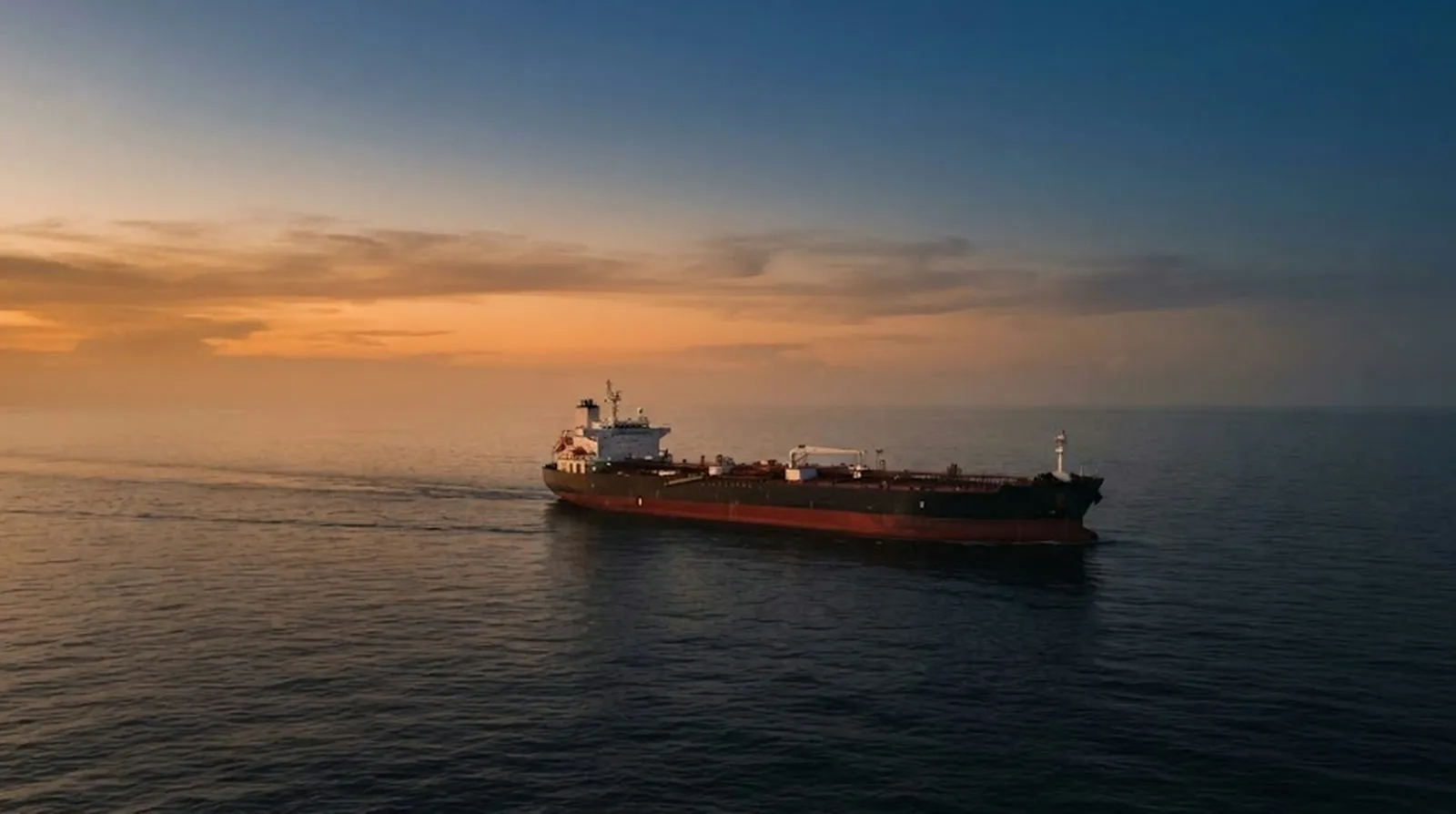
Iran's Revolutionary Guard announced it had struck and stopped two oil tankers in the Strait of Hormuz early this morning. Another four, according to the same statement, quickly changed course and turned back.
The justification is the part worth reading carefully. The Guard claims the tankers were moving along an „unsafe and illegal route“, on an undeclared path, under air escort from the American military - because, as the statement puts it, they „thought they could“ pass under the influence of US Central Command.
In the same statement, the Guard notes that the previous night it had informed all shipping and insurance companies to ignore announcements from the American command.
That is not a message to the ships
You do not send a message to insurance houses in order to protect navigation. You send it because insurance is where everything actually gets decided. If an insurer judges a route carries risk, the premium jumps, and some companies simply stop covering it. The tanker is then not stopped by a missile - it is stopped by a document.
The Strait of Hormuz is the narrowest bottleneck in the world oil trade. Every incident in those waters raises the risk, and risk is priced in long before anyone has fired anything at all.
Two versions, no verification
What is missing from the whole story is independent confirmation. The sole source for the event is the Revolutionary Guard itself, via the Iranian state agency. Which tankers these were, whose flag they sailed under, what damage they sustained, whether anyone was injured - none of it has been disclosed.
A statement with no ship names is a statement aimed at somebody else, not at the public. Tehran is talking to Washington, and the news is merely the channel the message travels through.
Will this reach us? Hormuz does not ask permission to move markets - it is one of the few points on the planet where a single incident gets priced in everywhere. And the Balkans have not one tanker in those waters, not one voice in that argument, and no way of influencing the outcome.
The latest 10 news from this category
The bill passed with 262 votes, and the key to it has been handed to a man who has already...
Ukraine adapts in weeks, the Alliance in decades. Europe is paying for Patriot systems from 1991 and is only now...
Missiles and drones on the Ukrainian capital, damaged water mains and residential buildings. The same night, Ukrainian drones set the...
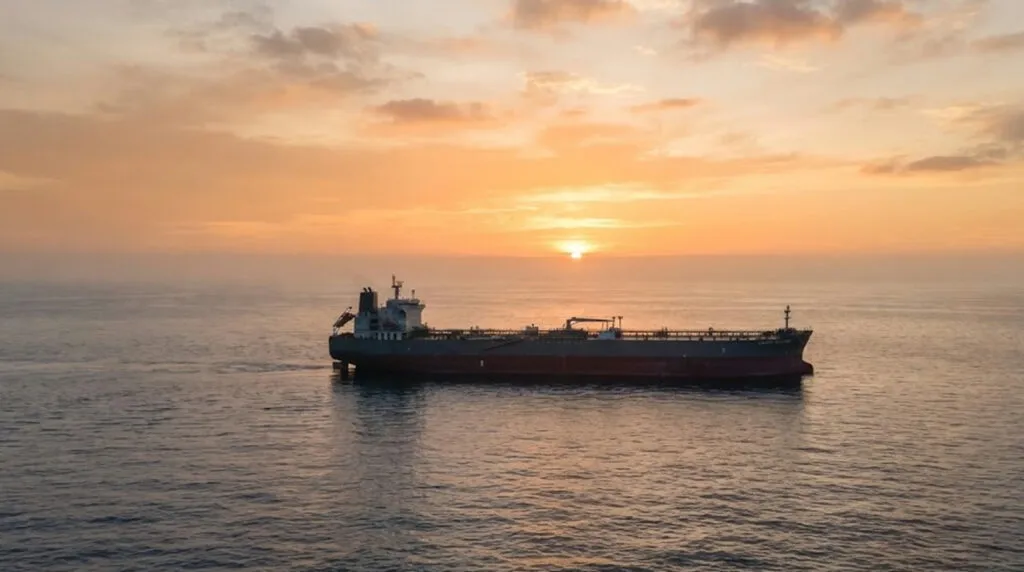
Trump hopes the war is ending and is preparing to gather the Gulf leaders. Oil prices have jumped, and the...
Ukraine says when, where and which unit did it. Russia's defence ministry has not a single sentence about the circumstances....
Norway's prime minister talks about a plane a drone "almost hit". Moldova, the only party holding the figures, reported that...
Ukraine was shooting down nine out of ten of the old drones. Then Russia changed the drone - and in...
It was shot down a few minutes after midnight, and all of Vilnius got a warning on their phones. Two...
The entire story comes from one side, and the headlines turn it into a turning point. The difference between the...
Between 2,300 and 3,000 North Korean soldiers have died in Kursk so far. Kim Jong Un has found an export...
This site uses cookies - is that okay? Learn more
Be the first to know when Metla launches something new
Leave your email and we will write when there is a new guide or something new on Metla.
