


Kratovo man stabs police officer mid-intervention: prosecutors want the 40-year-old detained
15.09.2026


15.09.2026

15.09.2026

15.09.2026

15.09.2026

15.09.2026
15.09.2026

15.09.2026

14.09.2026

13.09.2026

15.09.2026

15.09.2026

14.09.2026

15.09.2026

15.09.2026

15.09.2026

15.09.2026

14.09.2026

13.09.2026

15.09.2026

15.09.2026

15.09.2026

15.09.2026

15.09.2026

14.09.2026

09.03.2026

27.02.2026

19.02.2026

15.09.2026

14.09.2026

14.09.2026

23.04.2026

23.04.2026

12.04.2026

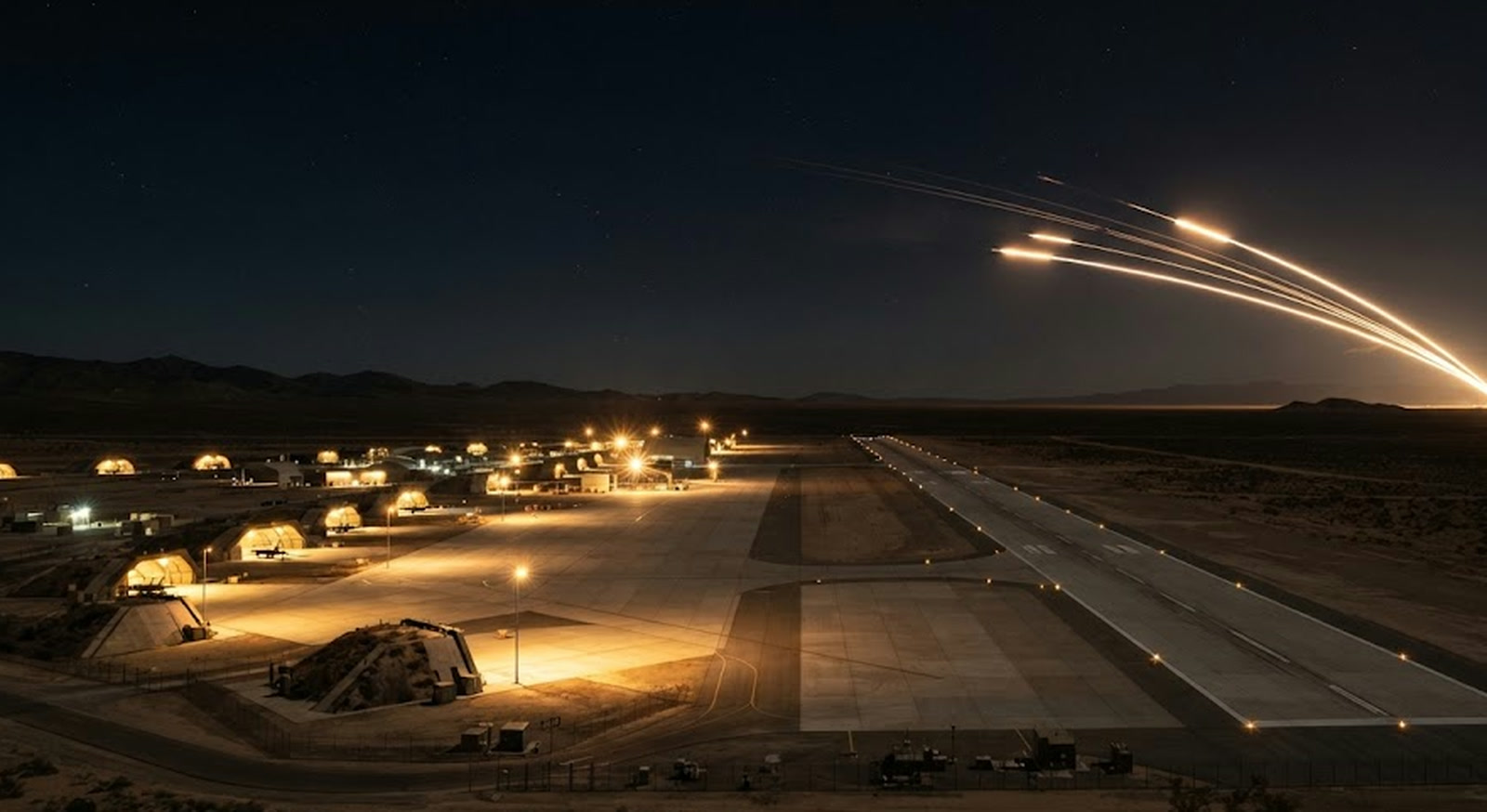
The ceasefire lasted exactly as long as a promise lasts in a war crisis - a few days. Iran launched several ballistic missiles at the US air base Muwaffaq al-Salti in Jordan, and US Central Command said all projectiles were intercepted, with no deaths and no material damage.
According to the statement, the missiles were fired by forces of the Islamic Revolutionary Guard Corps, directly from Iranian territory. „An attempted surprise attack on US forces deployed in the Middle East,” reads the official formulation. The base near Al Azraq, about a hundred kilometres east of Amman, hosts American fighter jets, helicopters, drones and logistics units.
The timing is what speaks louder here than the missiles. This is the first Iranian ballistic missile strike on a US base since Donald Trump halted attacks on Iran on Friday to leave room for negotiations. And it came just hours after Trump met Benjamin Netanyahu at the White House, with Iran the main item on the agenda.
Trump had previously said Washington was holding „very serious talks” with Tehran, but warned the military would resume heavy strikes if the negotiations did not produce quick results. So both sides are simultaneously saying they are negotiating while keeping a finger on the trigger. Which of the two signals is the real one?
The numbers demolish the „lull” picture even faster. Since the start of July, Iran has hit targets in Jordan nine times with missiles and drones. In one earlier strike a facility with American soldiers was hit, with deaths and injuries. Around 4,000 US troops are currently deployed at Jordanian military facilities.
At the same time, American and Saudi fighter jets struck weapons depots and logistics positions of pro-Iranian groups in eastern Iraq. That, US command claims, followed more than 30 drone attacks in 72 hours ordered by Iran's Revolutionary Guard. The reckoning is running while diplomacy is officially seated at the table.
One uncomfortable piece of arithmetic remains. If all the missiles were intercepted and there is not a single casualty, why were they fired at all? The answer is probably not military but negotiating: a strike that kills nobody but shows the trigger still works. The Balkans know this scene by heart - you negotiate while shooting, and afterwards someone explains it was all „pressure for peace”.
The latest 10 news from this category
Between 2,300 and 3,000 North Korean soldiers have died in Kursk so far. Kim Jong Un has found an export...
A NATO fighter jet downed an unmanned aircraft over Lithuania minutes after midnight, and citizens got the warning on their...
The train was empty, the locomotive damaged, nobody hurt. But Boris Johnson and a group of European security advisers had...
453 drones in one night, 405 shot down - and the forty-eight that got through land somewhere. Poland's prime minister...

Trump's son-in-law told an audience in Kyiv the deal is done - if Ukraine withdraws. And added that the battlefield...
A barren volcanic rock in the middle of a strait 28 kilometres wide changed the oil market in a single...

Hostomel, Odesa, Kryvyi Rih - targets that are not the front line but the supply chain. A war against the...

We don't want war with Europe, but here is exactly how that war would start. He said both sentences in...

When an army recalls its special forces with a 12-hour deadline, that is not a rota but a signal. The...

Port infrastructure in Makhachkala and the theatre building caught fire, the governor said. Moscow claims it shot down 448 drones...
This site uses cookies - is that okay? Learn more
Be the first to know when Metla launches something new
Leave your email and we will write when there is a new guide or something new on Metla.
