

Kratovo man stabs police officer mid-intervention: prosecutors want the 40-year-old detained
15.09.2026


15.09.2026

15.09.2026
15.09.2026
15.09.2026
15.09.2026
15.09.2026

15.09.2026

14.09.2026
13.09.2026

15.09.2026
15.09.2026

14.09.2026

15.09.2026

15.09.2026

15.09.2026

15.09.2026

14.09.2026

13.09.2026
15.09.2026

15.09.2026

15.09.2026

15.09.2026

15.09.2026

14.09.2026

09.03.2026

27.02.2026

19.02.2026

15.09.2026

14.09.2026
14.09.2026

23.04.2026

23.04.2026

12.04.2026

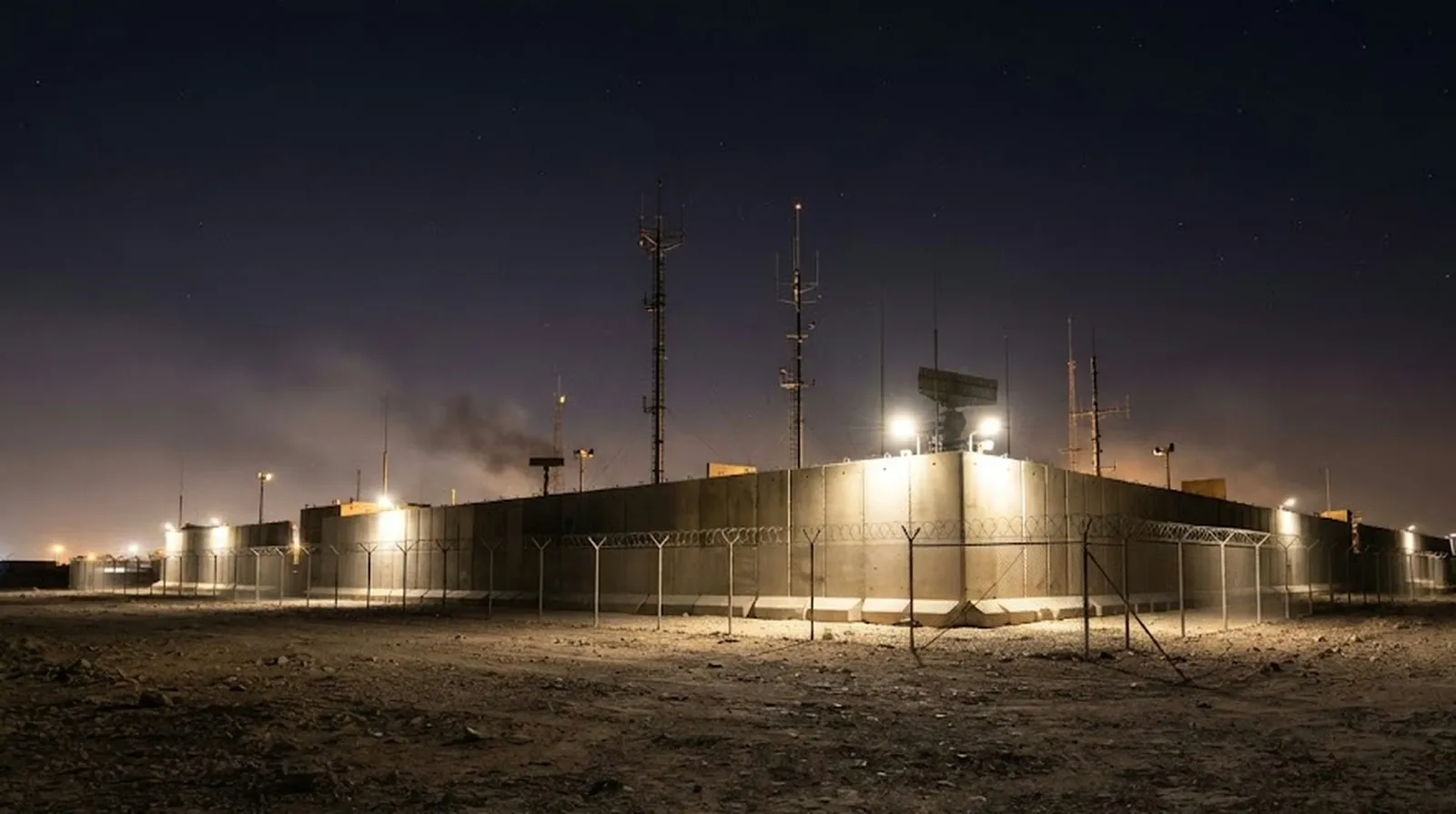
Donald Trump is promising retaliation. Not negotiations, not de-escalation - retaliation. After Iran's Revolutionary Guard fired a series of ballistic missiles at a US air base and military centre in Jordan, the American president told reporters at the White House: „Now it's our turn.” The US military said it had intercepted some of the projectiles. But „some” does not mean all, and that is precisely the part nobody wants to elaborate on.
The same man, in the same breath, added that Washington might ultimately reach a deal with Tehran to end the conflict. First a strong response, then a possible agreement. It's a logic the Balkans recognise without translation: first you shoot, then you sit down at the table, and meanwhile somebody else counts the casualties.
The night the front widened
The missiles on the bases in Jordan were not the only thing that happened in those hours. Trump confirmed he had been briefed on a drone attack on an American gas tanker at Egypt's Mediterranean port of Damietta. Tehran, for its part, said it had also struck ships in the Strait of Hormuz - and rejected Oman's proposal for joint management of that waterway. That is the move that pulls all the others with it: through Hormuz passes a share of the world's oil that has no alternative route.
On Wednesday, the US and Saudi Arabia struck pro-Iranian paramilitary groups in Iraq. Israel and the US have been running joint air operations against Iran since 28 February. This is not an incident that escalated overnight - this is a war that has been running for months, and has only now become harder to ignore.
Three options on the table in the White House
A few hours after the statement, Trump met Israeli prime minister Benjamin Netanyahu. According to a senior Israeli official, three options for Iran's nuclear programme were on the table: a deal with Tehran, prolonged economic pressure and blockades, or a comprehensive military operation. The same official claims Netanyahu did not press Trump to choose the third. „In the end, it's his decision,” he said.
Worth noting: Israel did not take part in this month's American bombings - the very ones that triggered Iran's retaliation against US bases. But it warned the response would be fierce if it were attacked. Everyone is keeping one step back from the trigger, yet everyone is standing in the same room.
China and Russia: assurances worth exactly what they're worth
Asked about reports that Iran might soon receive Chinese portable air defence systems, Trump expressed surprise. Chinese president Xi Jinping, he claims, told him „quite clearly” that China would not enter the war on Iran's side. He received similar assurances from Vladimir Putin. „If that happened, it would be surprising,” Trump said.
How much are such assurances worth when the price of a conflict is measured in control over energy corridors? The Balkans know this scene by heart - great powers promise one thing at the table and deliver another through the back door.
What is already moving
Oil prices jumped on Wednesday as tension between Iran and the US-Israel alliance intensified. The Israeli official acknowledged that the possible consequences for the global economy and oil markets must be taken into account - a sentence that sounds like a technocratic footnote but is actually an admission that nobody controls what comes next.
The same official claims there are signs Iran's leadership is under pressure from rising inflation and popular discontent. That is the argument used to justify „a little more pressure”. We have heard that argument before, in other countries, with other names. The question nobody asks out loud is simple: what if the pressure doesn't break the regime, only the country underneath it?
The latest 10 news from this category
Between 2,300 and 3,000 North Korean soldiers have died in Kursk so far. Kim Jong Un has found an export...
A NATO fighter jet downed an unmanned aircraft over Lithuania minutes after midnight, and citizens got the warning on their...
The train was empty, the locomotive damaged, nobody hurt. But Boris Johnson and a group of European security advisers had...
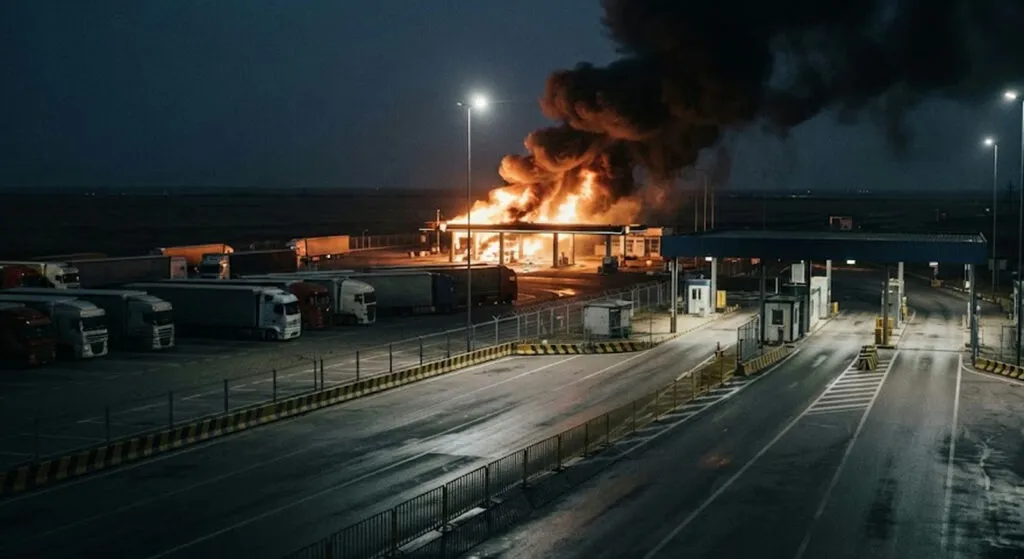
453 drones in one night, 405 shot down - and the forty-eight that got through land somewhere. Poland's prime minister...

Trump's son-in-law told an audience in Kyiv the deal is done - if Ukraine withdraws. And added that the battlefield...
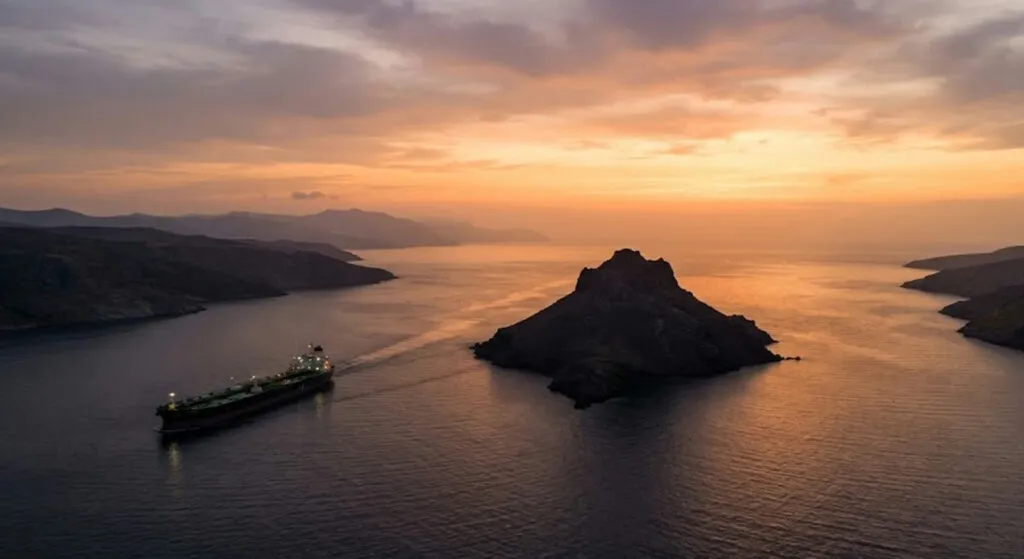
A barren volcanic rock in the middle of a strait 28 kilometres wide changed the oil market in a single...
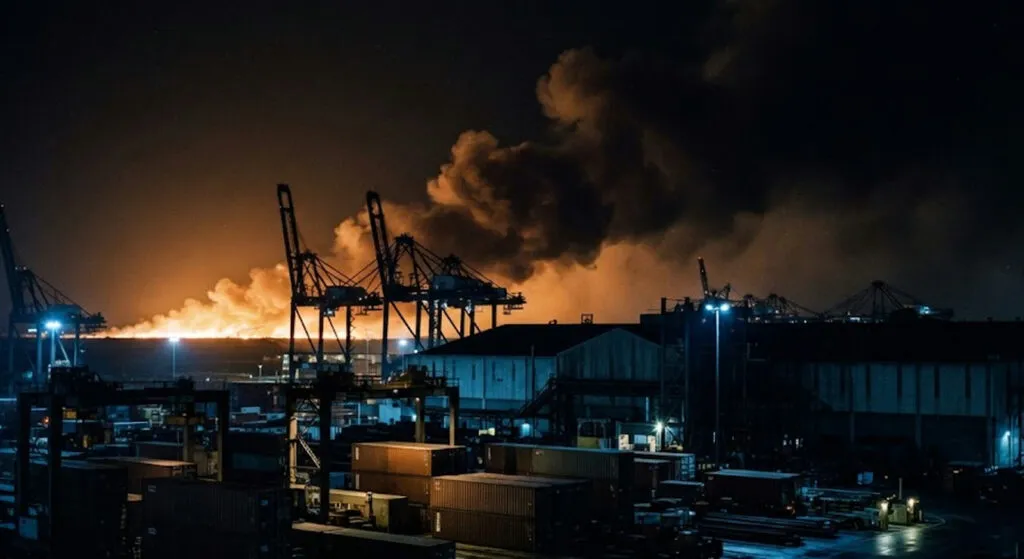
Hostomel, Odesa, Kryvyi Rih - targets that are not the front line but the supply chain. A war against the...

We don't want war with Europe, but here is exactly how that war would start. He said both sentences in...

When an army recalls its special forces with a 12-hour deadline, that is not a rota but a signal. The...

Port infrastructure in Makhachkala and the theatre building caught fire, the governor said. Moscow claims it shot down 448 drones...
This site uses cookies - is that okay? Learn more
Be the first to know when Metla launches something new
Leave your email and we will write when there is a new guide or something new on Metla.
