


State Lottery: Two Arrests Over an 80-Million-Denar Embezzlement, While the Star Witness in Court Changed His Story
06.10.2026


06.10.2026

06.10.2026

06.10.2026

06.10.2026

06.10.2026

06.10.2026

06.10.2026

06.10.2026

05.10.2026

06.10.2026

06.10.2026

05.10.2026

06.10.2026

06.10.2026

06.10.2026

06.10.2026

05.10.2026

04.10.2026

06.10.2026

06.10.2026

06.10.2026

06.10.2026

06.10.2026

05.10.2026

09.03.2026

27.02.2026

19.02.2026

06.10.2026

05.10.2026

04.10.2026
06.10.2026
05.10.2026

04.10.2026

23.04.2026

23.04.2026

12.04.2026

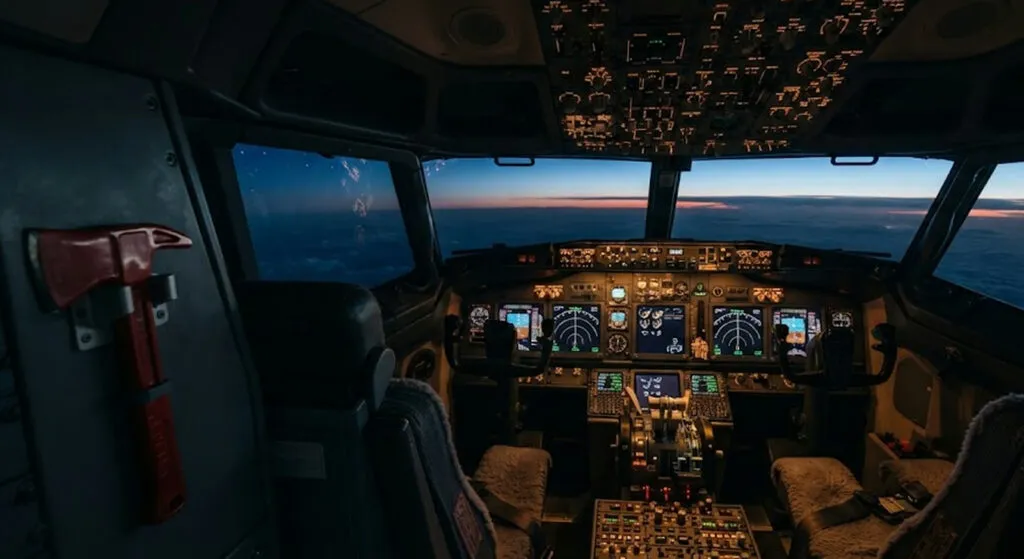
Hammam al-Hamami, a 29-year-old Omani national and Flydubai co-pilot, did not act in a fit of rage. According to investigation details reported by Israeli media, he had spent months preparing the plan: take out the captain, carry on with the flight as if nothing had happened, get every clearance to land - and only in the final phase of the approach, crash the Boeing into a building or an aircraft at Ben Gurion Airport near Tel Aviv.
That way the Israeli authorities would have had very little time to realise what was happening. Hamami had reportedly landed at Ben Gurion several times as a crew member, and studied the airport in detail on a visit in June. He originally planned the attack for July but pulled out at the last moment - a friend of his was on the crew. He decided to wait for the next chance.
One more detail from the investigation may be the coldest. Hamami told investigators he deliberately sought a job with an airline that flies to Tel Aviv, and that this was exactly why he chose Flydubai. One caveat is needed here: Israeli investigators have not yet questioned him in person. The information reached Israel from Saudi and Emirati investigators, so his account has not yet been officially and independently confirmed.
A five-kilometre drop in half a minute
The attack took place on 30 September, on flight FZ1073 from Dubai to Tel Aviv. The captain, Indian national Smit Machar, said the co-pilot asked his permission to pray, and about five minutes later attacked him from behind - with the emergency axe kept in the cockpit. The badly injured captain managed to open the cockpit door. That allowed the crew and passengers to get in and overpower the attacker.
During the struggle the plane went into a steep dive. According to Flightradar24 data, it lost more than 16,000 feet - almost five kilometres of altitude - in just over 30 seconds. Once passengers had subdued Hamami, two pilots travelling as passengers took over the controls. The plane was diverted to Tabuk in Saudi Arabia, where it landed safely. It was carrying more than 170 passengers and crew, mostly Israelis. None of the passengers were killed.
Who let him into the cockpit?
The United Arab Emirates officially said it is investigating the attack as an attempted terrorist attack. But the most uncomfortable question isn't only about Hamami - it's about the system around him. According to sources familiar with the investigation, Oman Air had previously barred him from flying over concerns about his extremist views. Then Flydubai hired him.
Oman has no diplomatic relations with Israel, and Israeli authorities receive advance data on crew members flying into the country. That raises questions about security failures in both the Emirates and Israel: how does a man barred from flying at one airline end up at the controls at another, on a flight to a country that vets crews in advance? After the attack, Israeli Prime Minister Benjamin Netanyahu ordered a review of security procedures for foreign airlines flying to Israel.
Hamami is now in the Emirates, which are leading the investigation with the participation of representatives from other countries, including Israeli intelligence officers and aviation experts. According to a senior Emirati official, once the investigation and court proceedings are over, he could face the death penalty. It remains to be established whether he acted alone and whether he had links to any terrorist organisation. If the story ends with nothing more than a verdict on one man, and no answer about the hole he slipped through into the cockpit, that will be a familiar ending for anyone living in the Balkans.
The latest 10 news from this category

Iceland, the Netherlands, Finland and Britain are already calculating what it would mean if the ocean pump that keeps Europe...

The King's brother, arrested on his 66th birthday over his Epstein ties, wants a court to rule whether police were...

European diplomats called it blackmail - and then gave in within a day. If Berlin and Paris crack after a...

The official version says it all started with a broken test tube. A well-known Russian epidemiologist calls that ridiculous, and...

While Washington and Moscow talk about territory and a ceasefire, a package of refineries also lies on the table -...

The wrong tournament, a war in which he "decided to go further", polls that are "fake" and advice to go...
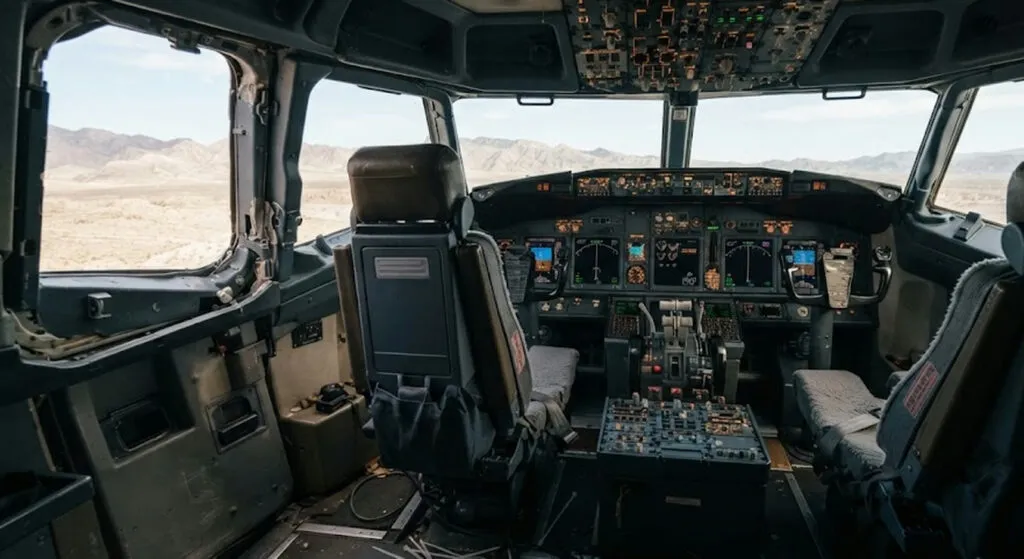
Suspended for extremist views, and then a pilot at two more airlines. A five-thousand-metre drop in two minutes and two...
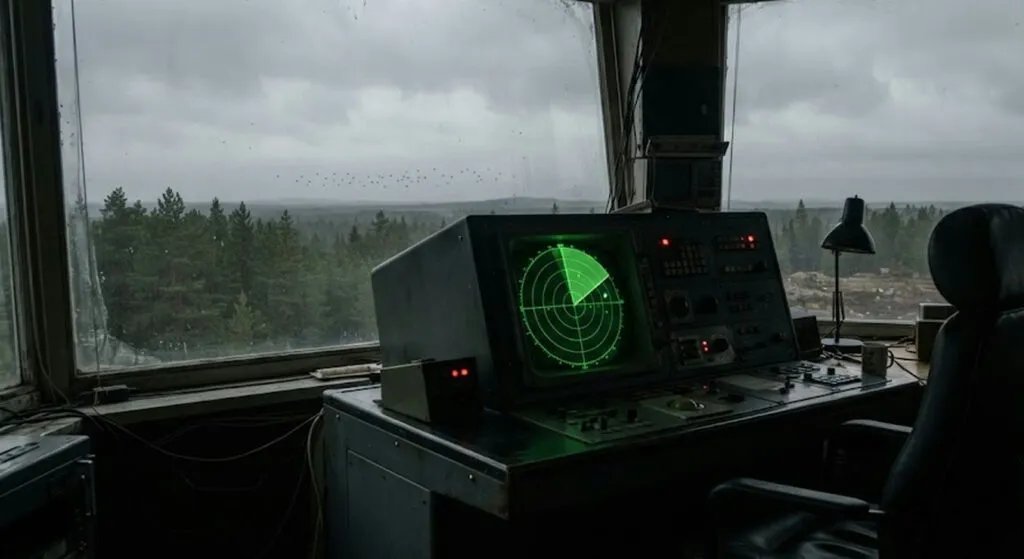
A shelter alert on phones, fighters in the air, a closed airport, and in the end nobody found anything. This...

Around 60 researchers, opened family archives and one uncomfortable truth: the Orange dynasty didn't just tolerate slavery, it actively supported...

Нафтата денес е 67% поскапа во однос на периодот пред војната со Иран, тој удар постепено се пренесува низ целата...
This site uses cookies - is that okay? Learn more
Be the first to know when Metla launches something new
Leave your email and we will write when there is a new guide or something new on Metla.