

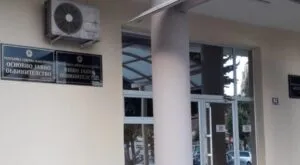
Senior prosecutor's office in Bitola searched: unofficially, the trail leads to Markovski's passport
07.10.2026


07.10.2026
07.10.2026
07.10.2026
07.10.2026
07.10.2026
07.10.2026

07.10.2026

06.10.2026

06.10.2026

07.10.2026

07.10.2026

06.10.2026

07.10.2026

07.10.2026

07.10.2026

07.10.2026

06.10.2026

05.10.2026

07.10.2026

07.10.2026

07.10.2026

07.10.2026

07.10.2026

06.10.2026

09.03.2026

27.02.2026

19.02.2026

07.10.2026

06.10.2026

05.10.2026
06.10.2026

05.10.2026

04.10.2026

23.04.2026

23.04.2026

12.04.2026

Daria Shipilova was 28 and worked as a lab technician at the Anti-Plague Institute in Irkutsk. She died in hospital three days after being put on a ventilator with severe pneumonia. Since then, Russia and the rest of the world have been telling two completely different stories about one young woman's death.
The first is the official one. Rospotrebnadzor, Russia's health watchdog, said the woman didn't die of plague but of "pneumonia of unknown aetiology". According to the agency, no microorganisms linked to her work were found in the samples, and no incident involving dangerous bacteria was recorded at the institute.
The second is being spread by some Russian media and local sources: on 25 September, Shipilova allegedly broke a test tube containing Yersinia pestis, the bacterium that causes plague, by accident, and a few days later developed severe pneumonia. Nobody has officially confirmed this version. But if it were confirmed, it would mean pneumonic plague - a form which, unlike bubonic plague, spreads from person to person through droplets, especially in close contact.
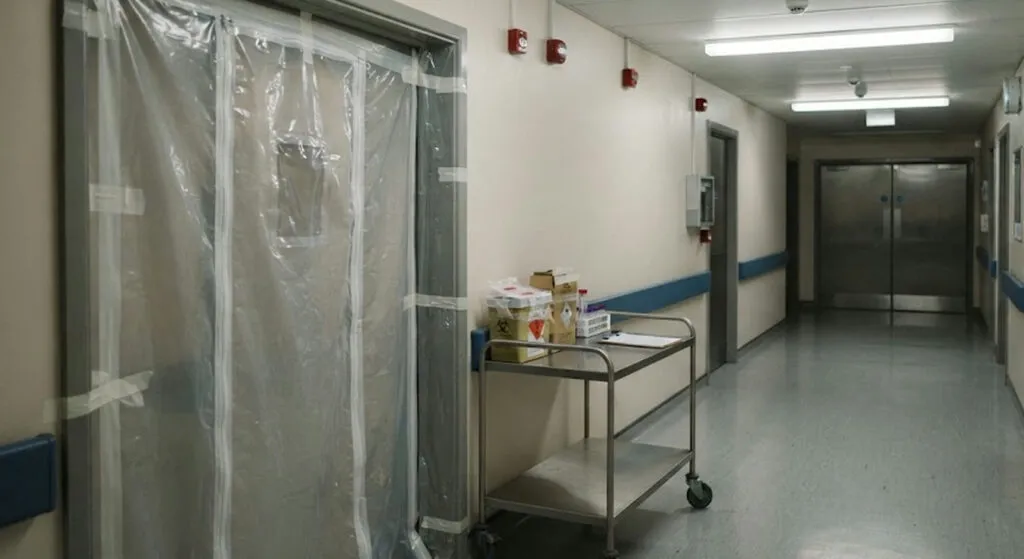
If this really is ordinary pneumonia, the measures on the ground look strangely cautious. The hospital in Shelekhov where she was treated has been quarantined, with limited admissions and discharges. Around 200 people have been placed under medical observation. Workers at a nearby aluminium plant have been told to wear masks, and some public events in the region have been cancelled. The governor of the Irkutsk region, Igor Kobzev, says the contacts show no signs of illness and that lab results are negative - in some, only coronavirus and rhinovirus were found.
Russian officials themselves have added to the confusion. The head of neighbouring Buryatia, Alexei Tsydenov, said the woman "may have" died of plague, but that there is no outbreak in his republic. Kremlin spokesman Dmitry Peskov urged the public to trust official information, not rumours. The World Health Organization, for its part, said the Russian authorities had still not officially responded to its request for information. WHO spokesman Christian Lindmeier said all contacts had been identified and were being monitored, and that so far nobody has symptoms. Britain's Daily Mail, citing some Russian media, claims a second person suspected of having plague has also died - with no details whatsoever about the case.
Donald Trump stepped into all this as well. Asked by reporters whether he was worried about plague in Russia, he replied: "This is a disease we used to be able to control. But somehow these germs have become stronger and smarter. They're like an army. We'll help Russia." How exactly, he didn't say. The US State Department, meanwhile, said it was aware of the reports but that many details had not yet been confirmed.
The good news is real: modern antibiotics are very effective if treatment starts in time, and the WHO currently rates the risk to the general population as low. The bad news is the old news. Eastern Europe remembers 1986, when the world first learned about Chernobyl from Swedish monitoring stations, not from Moscow. If there really is nothing in Irkutsk, why are 200 people under observation, and why is the WHO still waiting for an answer?
The latest 10 news from this category
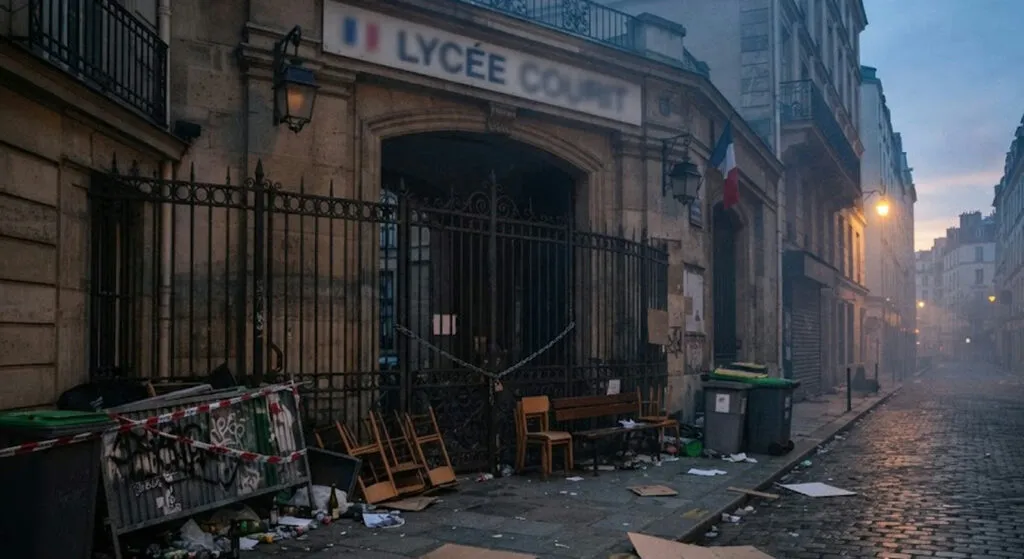
It started with complaints about missing teachers and crumbling classrooms. It has reached tear gas, grenades and over 6,500 detentions,...
In 2009 Nidal Malik Hasan killed 13 unarmed soldiers at a base in Texas. Now the Pentagon is announcing a...
215 pupils injured, over 6,000 arrested and a boy without a hand - and Trump sees only Islam in all...

Oman Air had grounded him over extremist views, then Flydubai hired him and put him in the cockpit of a...
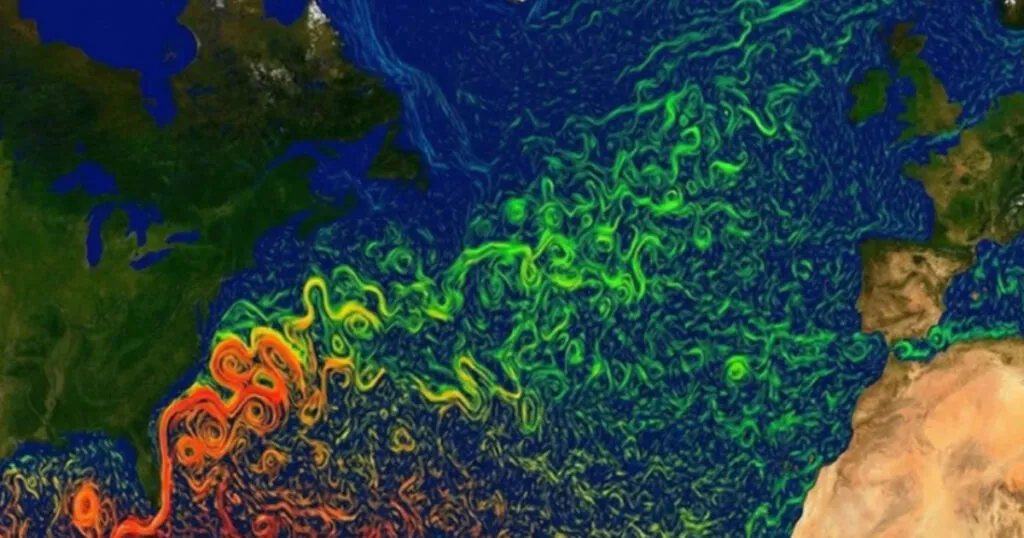
Iceland, the Netherlands, Finland and Britain are already calculating what it would mean if the ocean pump that keeps Europe...

The King's brother, arrested on his 66th birthday over his Epstein ties, wants a court to rule whether police were...
European diplomats called it blackmail - and then gave in within a day. If Berlin and Paris crack after a...
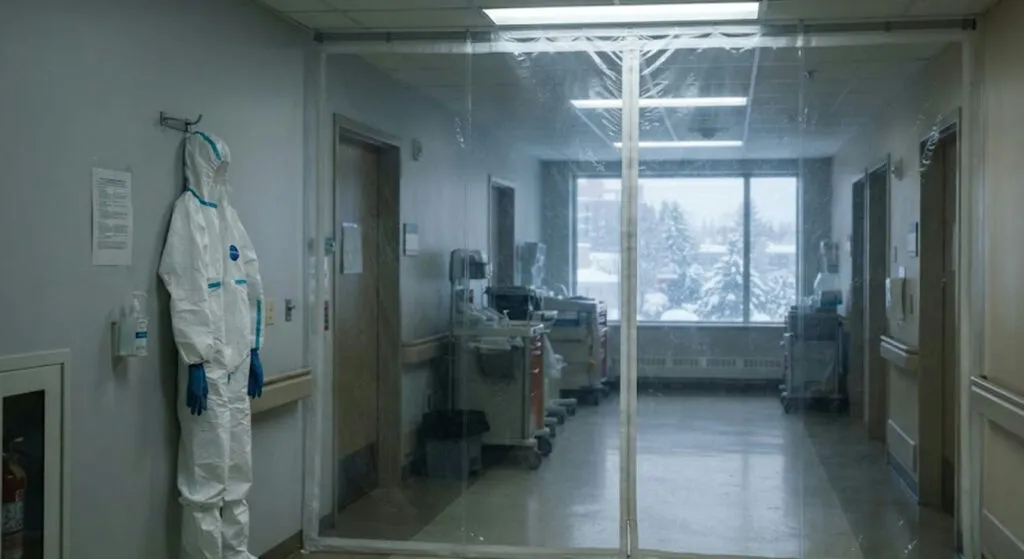
The official version says it all started with a broken test tube. A well-known Russian epidemiologist calls that ridiculous, and...

While Washington and Moscow talk about territory and a ceasefire, a package of refineries also lies on the table -...
The wrong tournament, a war in which he "decided to go further", polls that are "fake" and advice to go...
This site uses cookies - is that okay? Learn more
Be the first to know when Metla launches something new
Leave your email and we will write when there is a new guide or something new on Metla.