
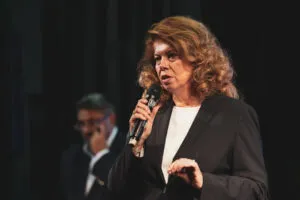
Jotova to Mickoski: Talks "Without Ultimatums" - but First Skopje Must Forget the Issue Is Bilateral
05.10.2026


05.10.2026

05.10.2026
05.10.2026
05.10.2026
05.10.2026
05.10.2026

05.10.2026

05.10.2026

04.10.2026

05.10.2026

05.10.2026

04.10.2026

05.10.2026

05.10.2026

05.10.2026

05.10.2026
04.10.2026

03.10.2026

05.10.2026

05.10.2026

05.10.2026

05.10.2026

05.10.2026

05.10.2026

09.03.2026

27.02.2026

19.02.2026

05.10.2026

04.10.2026
04.10.2026
05.10.2026
04.10.2026

02.10.2026

23.04.2026

23.04.2026

12.04.2026

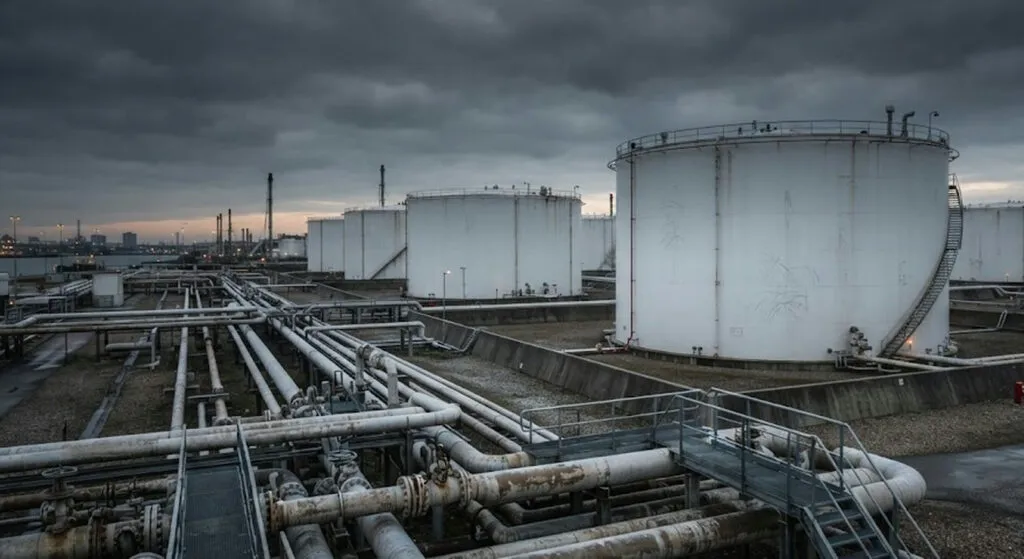
Donald Trump's administration asked European governments to open their strategic diesel reserves - and threatened that otherwise, right before winter, it could ban American exports. European diplomats were furious and spoke of "blackmail". In the end the G7 countries announced that over the next four months they will release 100 million barrels of diesel and crude oil from strategic reserves.
The background is familiar. Diesel prices are at record levels because of the war Washington launched against Iran at the start of this year and Russia's war in Ukraine. The two conflicts have done enormous damage to refineries in the Middle East and in Europe. And the US has Congressional elections coming up, with voters angry about energy prices.
"That's called blackmail"
According to ten oil industry executives and European government officials who spoke anonymously, the White House didn't go through the usual channel of the International Energy Agency, but contacted countries one by one, by phone or in person, with proposals that changed from day to day. US Energy Secretary Chris Wright asked for 120 million barrels in Berlin. The next day, late at night, US officials contacted Emmanuel Macron directly and asked for 100 million barrels.
One European diplomat openly called the request blackmail. A diesel trader was even more direct: "Now they're pressuring the EU to bail them out and threatening a ban on US exports to force it. Well, that's called blackmail." Berlin and other capitals objected internally, arguing that the ultimatum was an attempt to calm American voters before the elections. The big EU members even decided to raise the issue at the agency level. Just a day later - they gave in.
A senior official from a G7 member called the decision "defensive": it helped Trump before the elections but protected the allies from the threat of an export ban. The message from US cabinet members to oil company bosses, according to one executive, was: "You'd better push your friends in the EU, or we'll get you with the ban."
Macron: the tone wasn't threatening
Emmanuel Macron insists nobody blackmailed anybody. "The tone of our conversation was not threatening, it was constructive. There is no export ban. President Trump was very clear about that," he said. Some EU diplomats, meanwhile, argue that the new release merely confirms the March commitment for 400 million barrels, most of which never reached European markets because it couldn't compete with cheaper American crude.
Kevin Hassett, director of the White House National Economic Council, says Europeans have a "huge, huge amount" of refined products, especially diesel, and now have room to help the world economy. A senior US official is already signalling that new releases may be needed - and that Washington "expects partners to be ready to act".
The irony is that the oil industry itself is trying to convince the White House that a ban would backfire: refineries would have to slow production after losing their main foreign markets, and Europe and Latin America would suffer major economic damage. Both Wright and Treasury Secretary Scott Bessent consider the ban a bad idea. But Bessent, according to industry sources, would implement it if Trump decided so.
Europe's most influential capitals went from "this is blackmail" to "the tone was constructive" in a single day. If Berlin and Paris give in so quickly after a few phone calls from Washington, how much room for a voice of their own will the countries still waiting at the EU's door have?
The latest 10 news from this category
The official version says it all started with a broken test tube. A well-known Russian epidemiologist calls that ridiculous, and...
While Washington and Moscow talk about territory and a ceasefire, a package of refineries also lies on the table -...
The wrong tournament, a war in which he "decided to go further", polls that are "fake" and advice to go...
Suspended for extremist views, and then a pilot at two more airlines. A five-thousand-metre drop in two minutes and two...
A shelter alert on phones, fighters in the air, a closed airport, and in the end nobody found anything. This...

Around 60 researchers, opened family archives and one uncomfortable truth: the Orange dynasty didn't just tolerate slavery, it actively supported...
Нафтата денес е 67% поскапа во однос на периодот пред војната со Иран, тој удар постепено се пренесува низ целата...
Со децении Франција се поставуваше како еден од гласните светски бранители на демократијата, човековите права и правото на протест. Од...
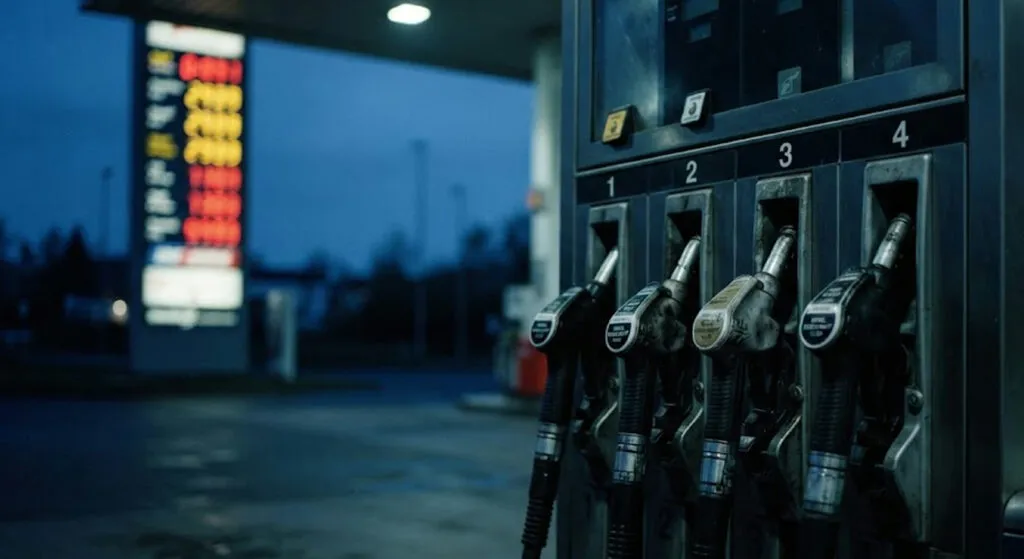
Washington is considering halting diesel exports a few weeks before the congressional elections, while asking Europe to release its stocks...
For years he presented himself as a family man who loved skiing and long motorbike trips. According to the investigation,...
This site uses cookies - is that okay? Learn more
Be the first to know when Metla launches something new
Leave your email and we will write when there is a new guide or something new on Metla.