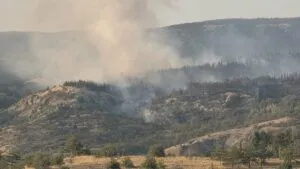
34 fires in 24 hours: three still burning, and the warnings put out nothing
09.09.2026


09.09.2026

09.09.2026

09.09.2026

09.09.2026

09.09.2026

09.09.2026

09.09.2026
08.09.2026

07.09.2026

09.09.2026

08.09.2026

08.09.2026

08.09.2026

08.09.2026

08.09.2026

08.09.2026

07.09.2026

06.09.2026

09.09.2026

09.09.2026

09.09.2026

09.09.2026

09.09.2026
08.09.2026

09.03.2026

27.02.2026

19.02.2026

23.04.2026

23.04.2026

12.04.2026

The two sides of Macedonian politics are arguing today over the same number using different maths. SDSM claims the state is heading towards a public debt of almost 12 billion euros, which would be around 65 percent of GDP. The government says that is a misreading of the law and that the opposition does not understand economics.
The argument is about one sentence in the law
At the core of the dispute sits 350 million euros of debt held by the Public Enterprise for State Roads. Prime Minister Hristijan Mickoski says the enterprise's loans do not enter the central government's public debt directly, because these are framework borrowings drawn down as projects are delivered.
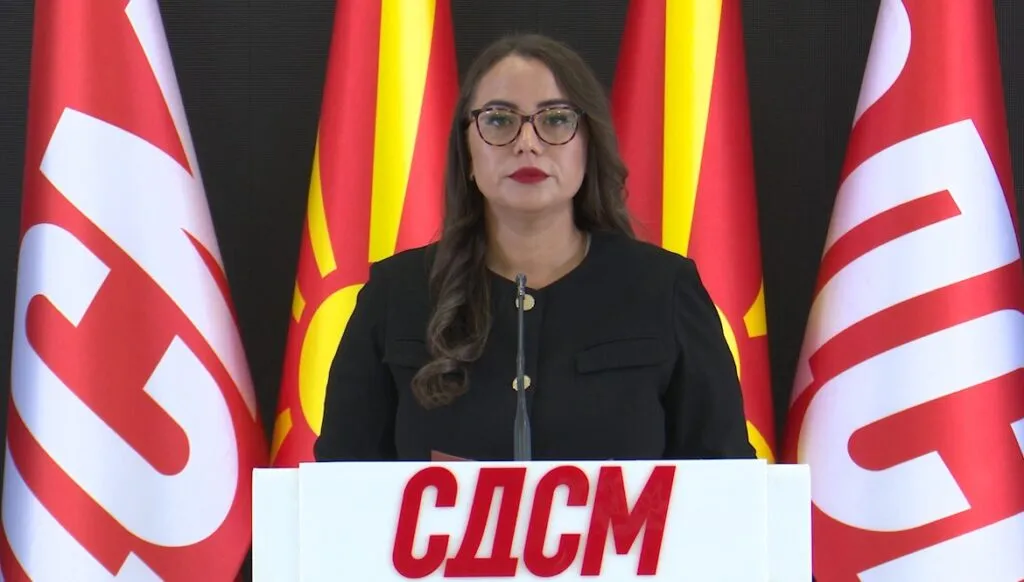
SDSM says that is a breach of the law. According to executive board member Simona Cvetanovska, the Law on Public Debt is clear - public debt also includes the guaranteed debt of public enterprises and joint-stock companies founded by the state.
Finance Minister Gordana Dimitrieska-Kočoska explained at a Thursday press conference that the debt of public enterprises is covered by the Public Debt Management Strategy and the Fiscal Strategy, but does not form part of central government debt and therefore cannot be shown in the Budget as a direct state obligation.
So nobody is disputing whether the debt exists. They are disputing where it gets written down.
The 1.3 billion borrowing
SDSM leader Venko Filipče claims the government is preparing a new borrowing of 1.3 billion euros that is not foreseen in the budget revision. Mickoski replied that this is preparation for future financial obligations, including repayment of debts created in previous years.
The opposition asks a question that deserves an answer regardless of who is asking it: if the borrowing is for 2027, why is the decision being taken five months early and why was it not announced publicly? The government says it is preparing in good time for obligations falling due in 2027, and that a significant share of them is inherited.
The one figure nobody contests
According to Cvetanovska, before this government took office, 120 million euros a year went on interest; now it is 350 million. That figure does not depend on whether the roads enterprise's debt lands in one table or another - the interest is paid out of the budget like any other bill.
The government counters with the economic indicators: GDP grew 4.3 percent in the second quarter, against 3.1 percent in the first, and investment is up 16.5 percent.
This is where the two stories touch, and nobody says it out loud. The growth the government presents as proof that things are going well is largely driven by exactly those capital investments - which are financed by borrowing. One is the consequence of the other. Whether that is good policy is a legitimate question for debate. But you cannot defend the same operation as growth and deny it as debt.
A citizen listening to both sides has no way of calculating who is right, because the calculation depends on which definition you use. And that is the crushing part: in a country with functioning institutions, this question would be settled by one independent fiscal council with one report. Here we settle it with two press conferences.
The latest 10 news from this category

The largest round ever by a European tech firm is led by Samsung, and Macron called it a third way...

The queue for putting cargo into orbit is growing faster than the capacity, and one supplier holds almost all of...

A consultant paying 200 dollars a month could not get an itemised bill for his own usage. When he asked...

The headline number is low. But year on year recreation went up 8.8 per cent and food 1 per cent...
Extra-light heating oil went up by 8 denars and reached 105 denars a litre. That is the fuel some households...
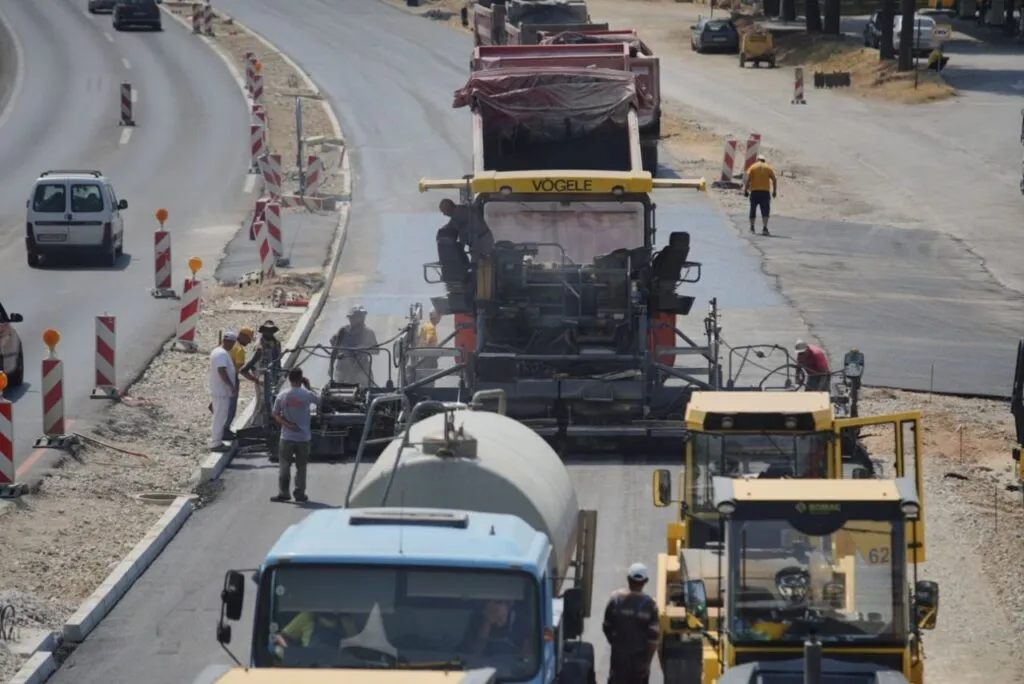
Nikoloski called it the highest quarter on record. The growth comes from projects set up in 2024 - which means...

Opendoor's founder raised 25 million dollars for an app that tells construction workers whether they installed something correctly. What the...

They set off at three in the morning, reached the summit at seven in the evening, spent the night in...

The head of Google Photos boasted about an agent for her 143,206 photos. The feature applies only to paying users...
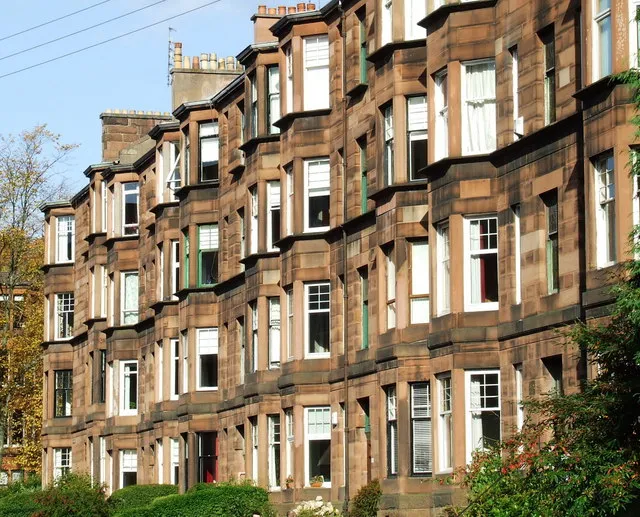
22 million listings across 31 countries, a 30-year mortgage and one third of income as the threshold. The gap between...
This site uses cookies - is that okay? Learn more
Be the first to know when Metla launches something new
Leave your email and we will write when there is a new guide or something new on Metla.