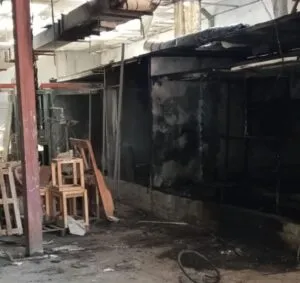
34 fires in 24 hours: three still burning, and the warnings put out nothing
09.09.2026


09.09.2026

09.09.2026
09.09.2026

09.09.2026

09.09.2026

09.09.2026

09.09.2026

08.09.2026

07.09.2026
09.09.2026
08.09.2026

08.09.2026

08.09.2026

08.09.2026
08.09.2026
08.09.2026
07.09.2026
06.09.2026
09.09.2026

09.09.2026

09.09.2026
09.09.2026

09.09.2026
08.09.2026

09.03.2026

27.02.2026

19.02.2026

23.04.2026

23.04.2026

12.04.2026

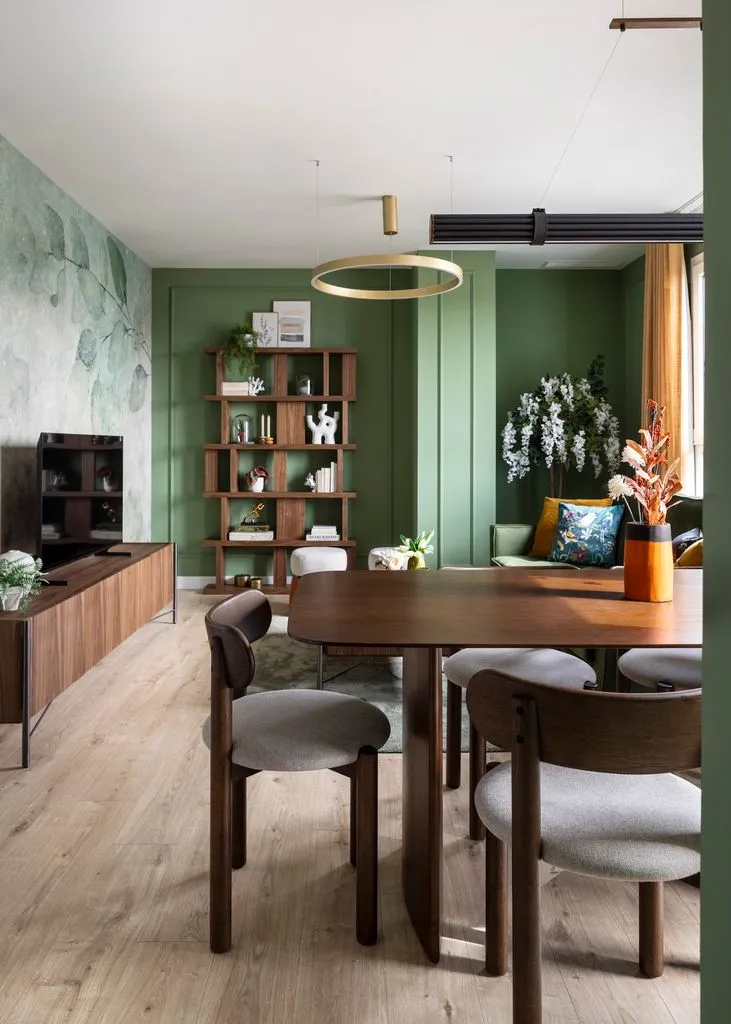
The question everybody asks themselves before starting: I have three thousand euros, what do I renovate? Interior designer David González gives the only answer that makes sense - three thousand does not renovate, it chooses. "With 3,000 euros right now I would not try to renovate much; I would concentrate the budget on two highly visible interventions."
That is the advice the whole renovation industry does not want to hear, because it lives off the opposite - off telling you that everything goes together and that less makes no sense.
The four things that really change a home
González lists them: walls, lighting, doors and floor. Everything else comes later. And he adds a rule worth writing down: "It is not about changing many things, but about changing the ones that are seen most."
Walls come first, but not the way most people think. "I would choose to work on the walls, but not just paint them white: I would bring in colour, some moulding or a well-chosen wallpaper." The price for that item runs from 2,500 to 6,000 euros, depending on the surface. Mouldings and wallpaper, placed in the right spot, can in his view completely change how a flat is perceived.
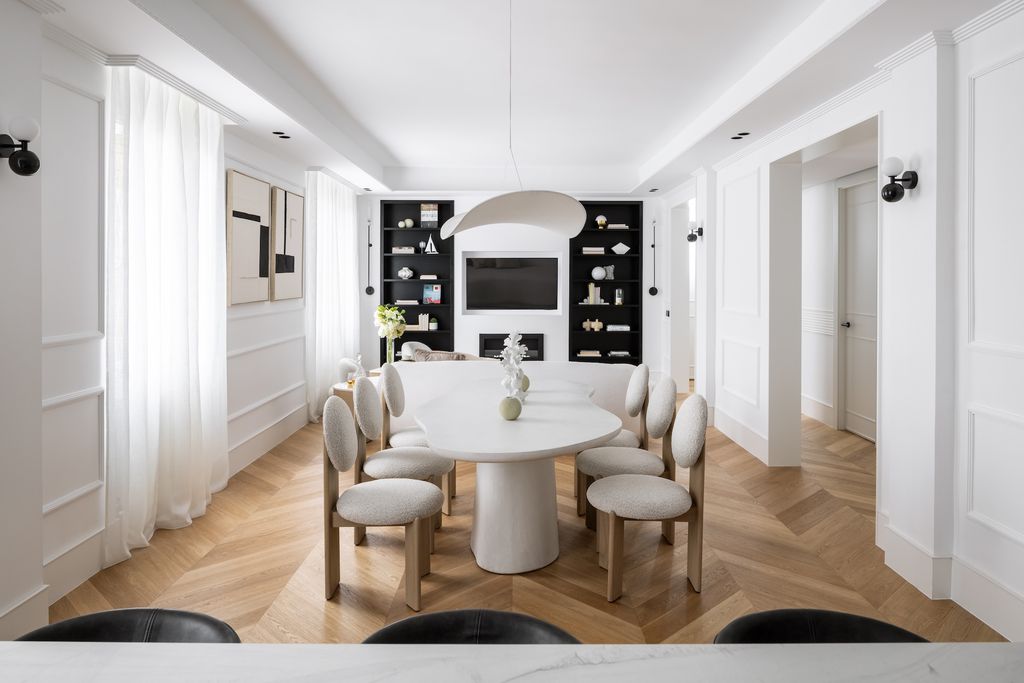
Light is the cheapest big change
Lighting costs between 500 and 1,000 euros and is the only item on the list that changes an entire space for that money. This is not about new wiring - it is about where the light falls and how warm it is. It is what people feel when they walk into a room and say it feels pleasant, without knowing why.
Doors: varnish before you throw out
"Doors carry enormous visual weight," the designer says. If the door is sound, varnishing costs 300 to 500 euros per door and is one of the most cost-effective interventions there is. If it is not worth saving, a new door with fitting runs from 500 to 1,000 euros. The difference is double, and the result is often the same - so the first question is whether the old one is actually bad.
Kitchen and bathroom without demolition
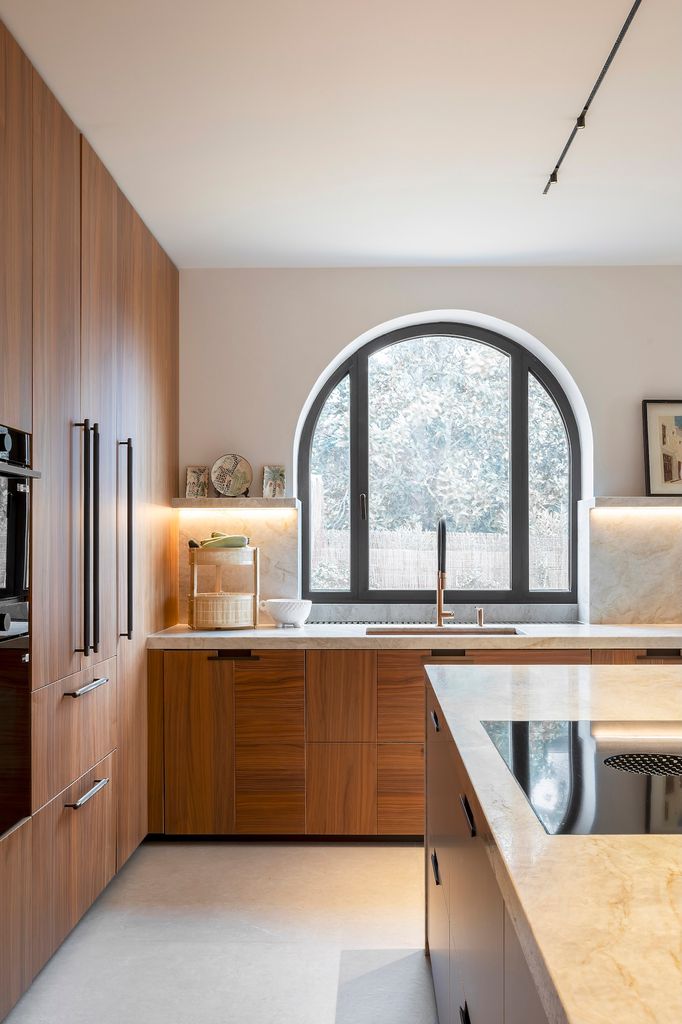
Updating a kitchen while keeping the existing units - new fronts, handles, worktop and lighting - costs between 3,000 and 9,000 euros. Refreshing a bathroom without demolition, with a new vanity unit, mirror, taps and light, runs from 2,500 to 7,000. In both cases the logic is the same: you change what is seen and touched, not what is behind the wall.
Where you must not economise
Here González is categorical and it deserves to be taken seriously: do not economise on installations and on labour. "A bad installation ends up costing a great deal." That is a sentence anybody who has once had a leaking pipe behind new tiling understands without further explanation.
So with three thousand: around 2,000 to 2,500 for the walls and 500 to 1,000 for light. Two items. Nothing is knocked down, nothing is changed at the foundations.
Around here a renovation usually starts with demolition, because demolition is visible and creates the feeling that something is happening. A few months later the money has gone on things nobody sees, and the room still looks the same. The designer is in fact saying the opposite: start with what the eye catches in two seconds, and go behind the wall only when you genuinely have to.
The latest 10 news from this category
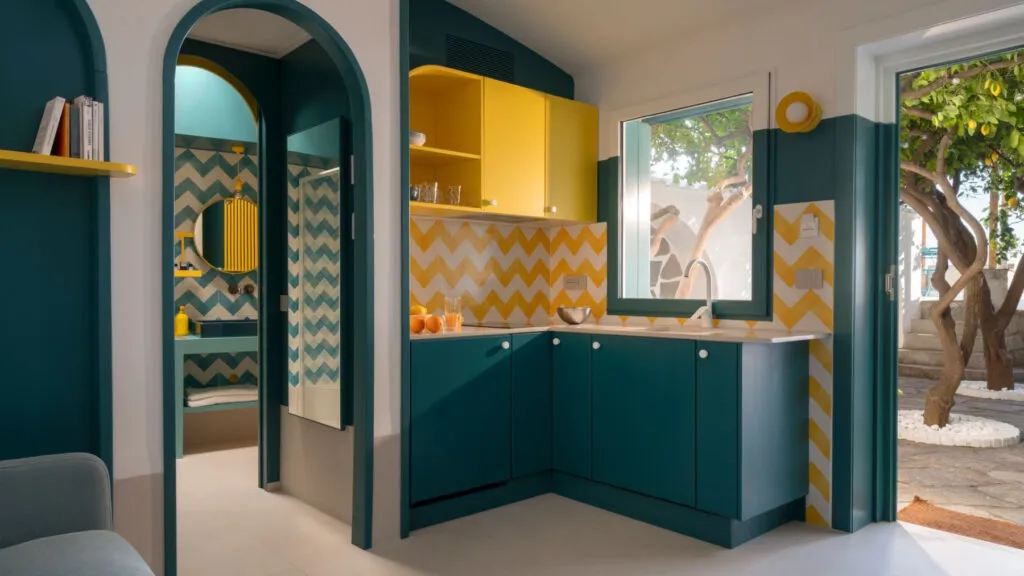
A forgotten flat in Posillipo, two colours taken from the fishing boats and the lemons outside, and furniture in which...
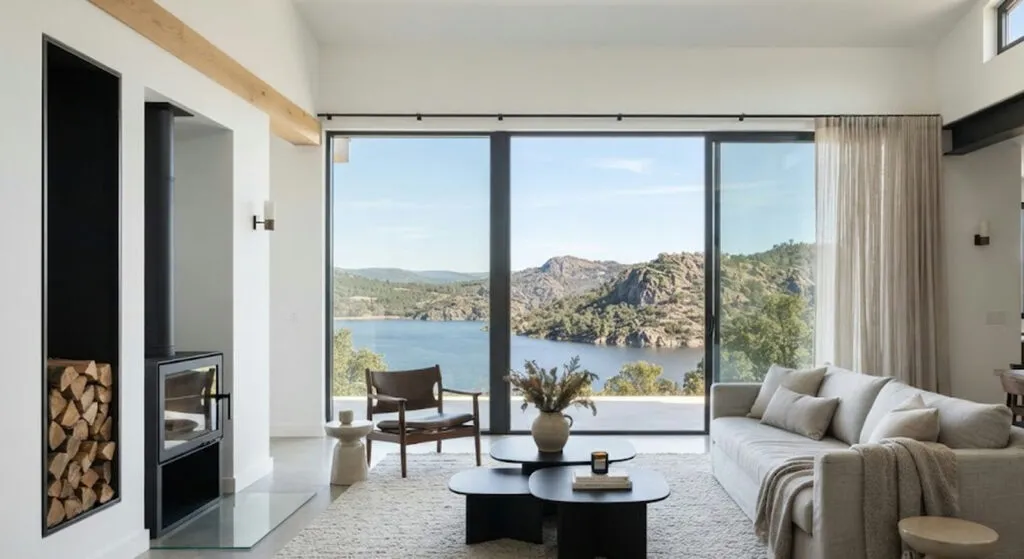
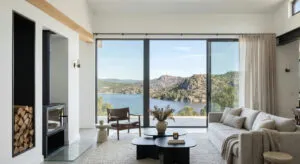
Three hundred square metres, four bedrooms and one decision that dictated every one after it: the view of the water.
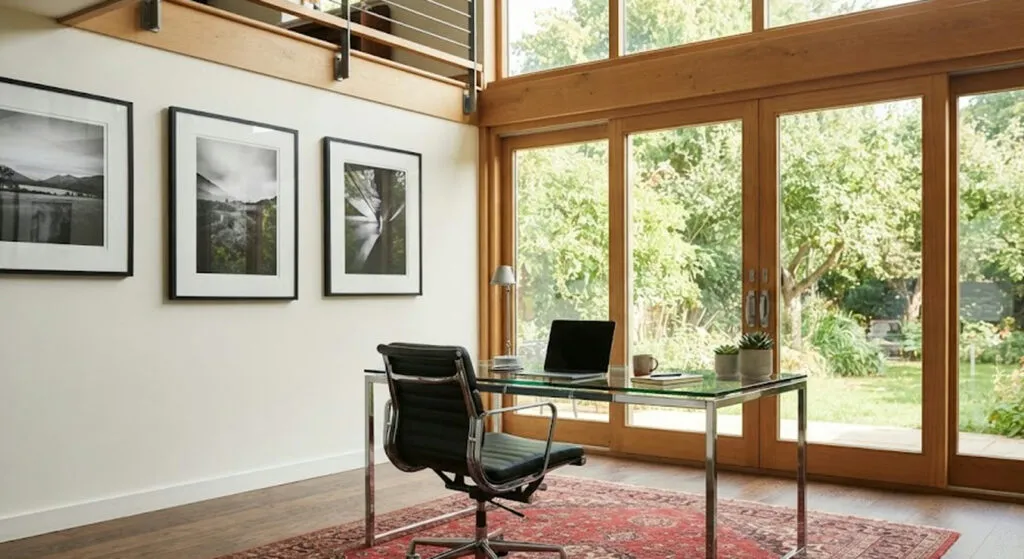
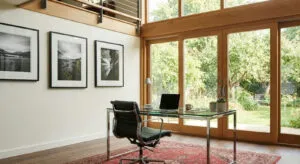
Double height, a Persian rug under the chrome and a bookshelf beneath the window. Three solutions at completely different prices,...
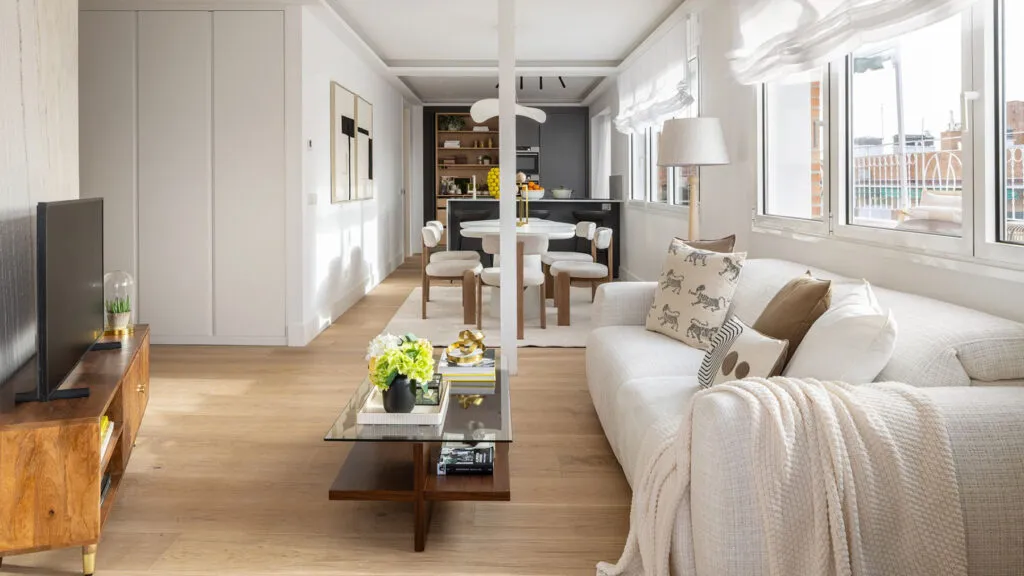
Order, calm and light - not one of the three costs money. What costs is the decision not to fill...
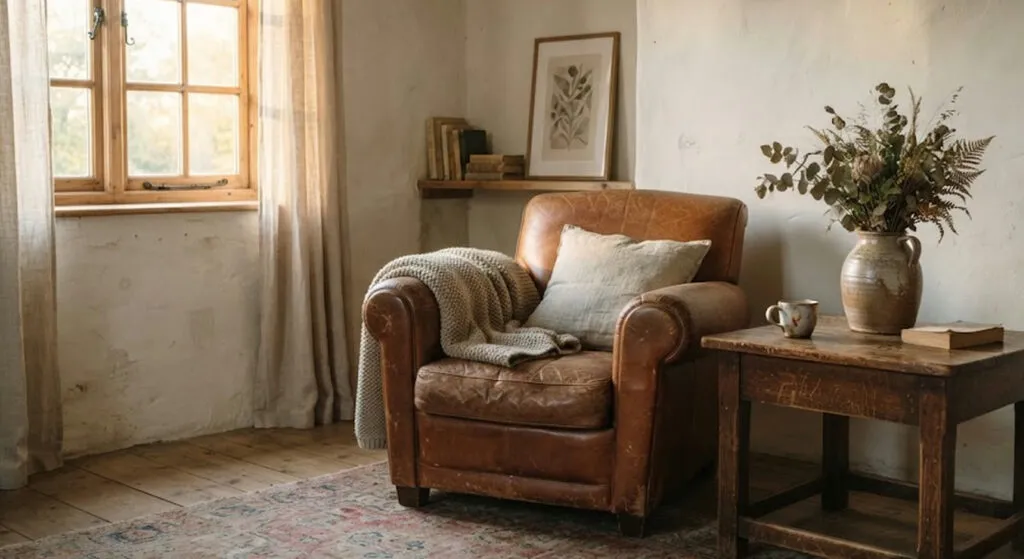
An interior designer describes found luxury - objects with a biography, visible wear and materials that improve with time. Here,...
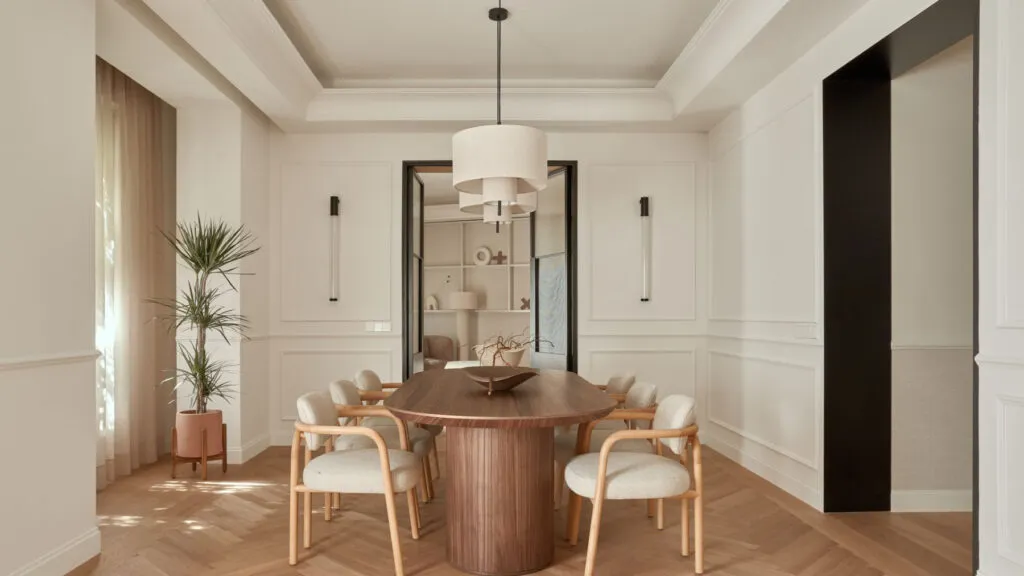
Here a renovation starts with the sentence "since we're starting anyway, let's do everything" - and that is where the...
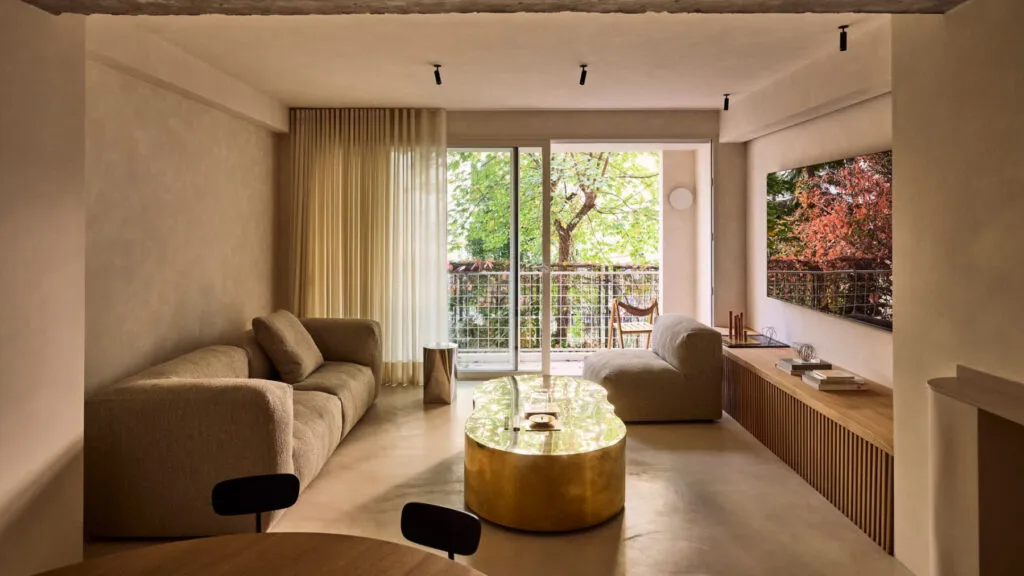
You walk into a flawless living room and start wondering where you are allowed to sit. Ten principles from a...
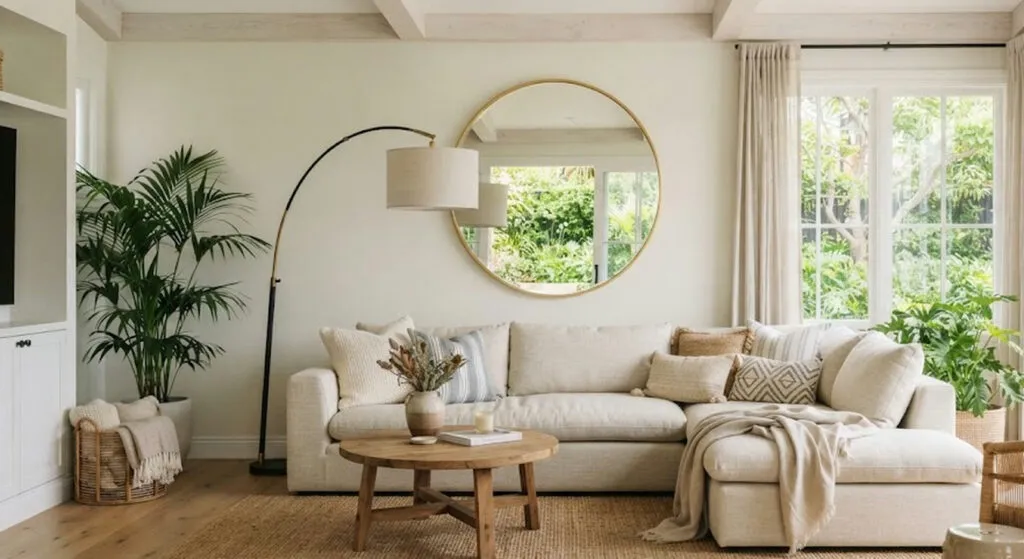
The difference is not the money, but whether the space was decided in advance or filled with whatever had nowhere...
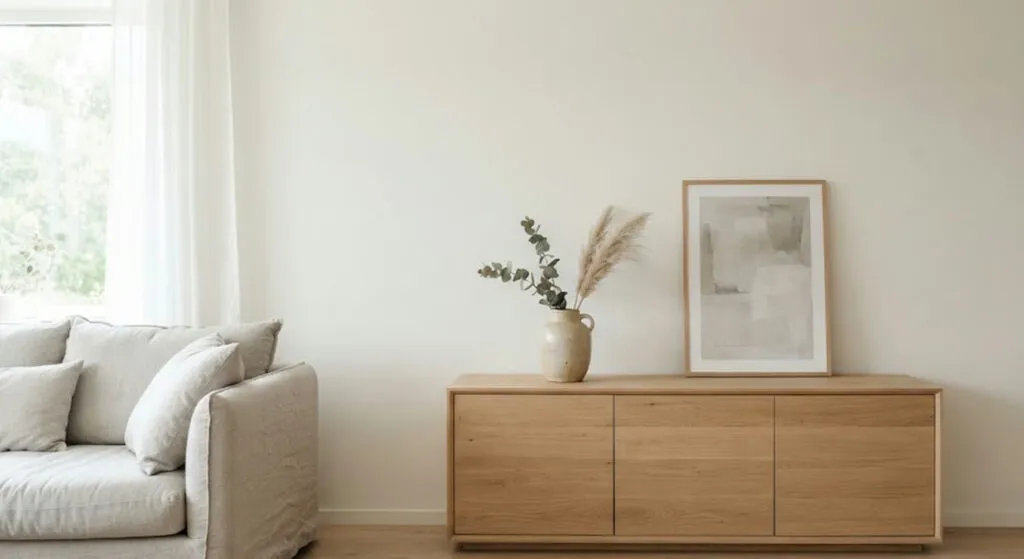
An interior designer said the thing that is hardest to accept around here - an empty wall is a decision,...
A mirror, mouldings, a shelf, or just paint. The biggest mistake is not the wrong choice, but hanging something because...
This site uses cookies - is that okay? Learn more
Be the first to know when Metla launches something new
Leave your email and we will write when there is a new guide or something new on Metla.