
Smugglers Dragged a Police Officer With Their Vehicle at Blace: the Second Car Is What Tells You This Wasn't an Accident
14.09.2026


14.09.2026

14.09.2026

14.09.2026

14.09.2026

13.09.2026

12.09.2026

14.09.2026
14.09.2026

13.09.2026

14.09.2026

14.09.2026

14.09.2026

14.09.2026

13.09.2026

12.09.2026

14.09.2026

14.09.2026

14.09.2026

14.09.2026

14.09.2026

13.09.2026

09.03.2026

27.02.2026

19.02.2026

23.04.2026

23.04.2026

12.04.2026


Rosemary oil is probably the most repeated hair tip on the internet in recent years. It works, say one camp. It does not work, say the other. The truth, as usual, is duller and more useful than either.
Luz Aranda, who works at the company behind several haircare brands, states the effect precisely, without promises: rosemary is "particularly associated with stimulating blood circulation in the scalp". That means support for the follicles and a better foundation. "A well-cared-for scalp is the basis for maintaining strong and healthy hair", she says. That is all. Not a word about bringing back lost hair.
And here is the part the internet skips over: rosemary oil will not stop hair loss once it has already started. Hair loss has various causes, from hormonal to medical, and when it persists you go to a specialist, not to a cosmetics shop. A small bottle is not a diagnosis.
The second part of the advice matters more than the first, and almost nobody says it: pure rosemary essential oil does not go directly onto the scalp. "Essential oils are highly concentrated ingredients and must be used appropriately diluted", Aranda says, adding that she would always recommend "a formula developed specifically for the scalp". So: a product in which rosemary is an ingredient, not a bottle of essential oil off the spice shelf.
The application is simple. A small amount on the scalp before washing. A few minutes of gentle massage with the fingertips, in circular motions. Then work it down the length to the ends. Leave it ten minutes, then wash with shampoo and rinse thoroughly.
How often? "Once or twice a week is enough. Consistency matters more", Aranda says. Whether it is morning or evening makes no difference at all.
The word carrying the whole story is "consistency", and that is precisely the word that does not sell well. Which is why the industry around it offers a new product every three months, instead of saying you need to use the same bottle ten times before expecting anything. Advice that requires patience does not make content that gets shared.
The latest 10 news from this category

For years she sat in the front row in Paris, Milan and London. Now she has stepped onto the runway...

A veil for the ceremony, tulle gloves for lunch, the hem removed for dancing. The bouquet held exactly 27 white...

The meaning is not that they have to carry it. The meaning is that behind them stands a team that...

The industry moved from one big procedure to a subscription. That is called progress, but it is worth knowing before...

Twelve hundred guests, a five-tier cake and an exclusive photographer. For the woman who sewed the dress - two words,...

Alaia and Dior have already put mustard into their collections, and the fashion press is naming red-and-purple the duo of...
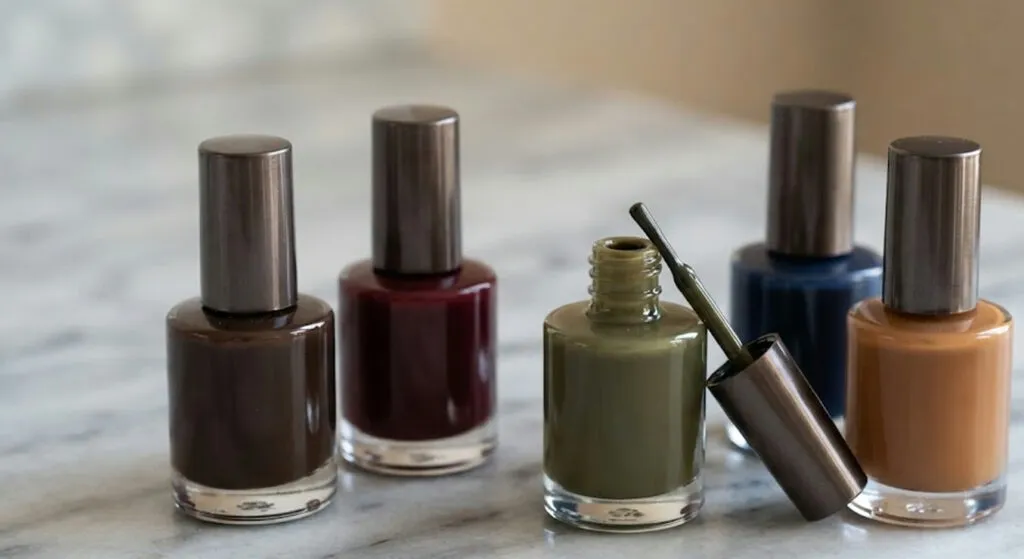
Chocolate brown, burgundy, olive and navy are taking the season. The question before you spend: how many of the twelve...
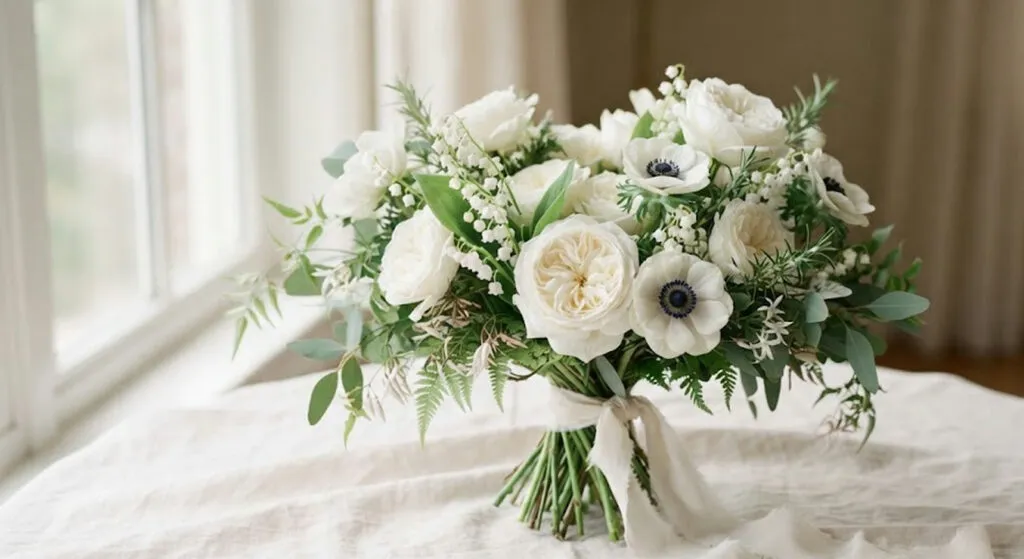
Diana carried lily of the valley, gardenia and orchids in 1981. Kate carried a baby version - not for lack...

It sat in the wardrobe for three years because it was too daring. Then came the evening when the answer...

When density drops, the cut either exposes the loss or conceals it. Nobody earns monthly from that solution, which is...
This site uses cookies - is that okay? Learn more
Be the first to know when Metla launches something new
Leave your email and we will write when there is a new guide or something new on Metla.