Smugglers Dragged a Police Officer With Their Vehicle at Blace: the Second Car Is What Tells You This Wasn't an Accident
14.09.2026


14.09.2026

14.09.2026

14.09.2026

14.09.2026

13.09.2026

12.09.2026

14.09.2026

14.09.2026

13.09.2026

14.09.2026

14.09.2026

14.09.2026

14.09.2026

13.09.2026

12.09.2026

14.09.2026

14.09.2026

14.09.2026

14.09.2026

14.09.2026

13.09.2026

09.03.2026

27.02.2026

19.02.2026

23.04.2026

23.04.2026

12.04.2026

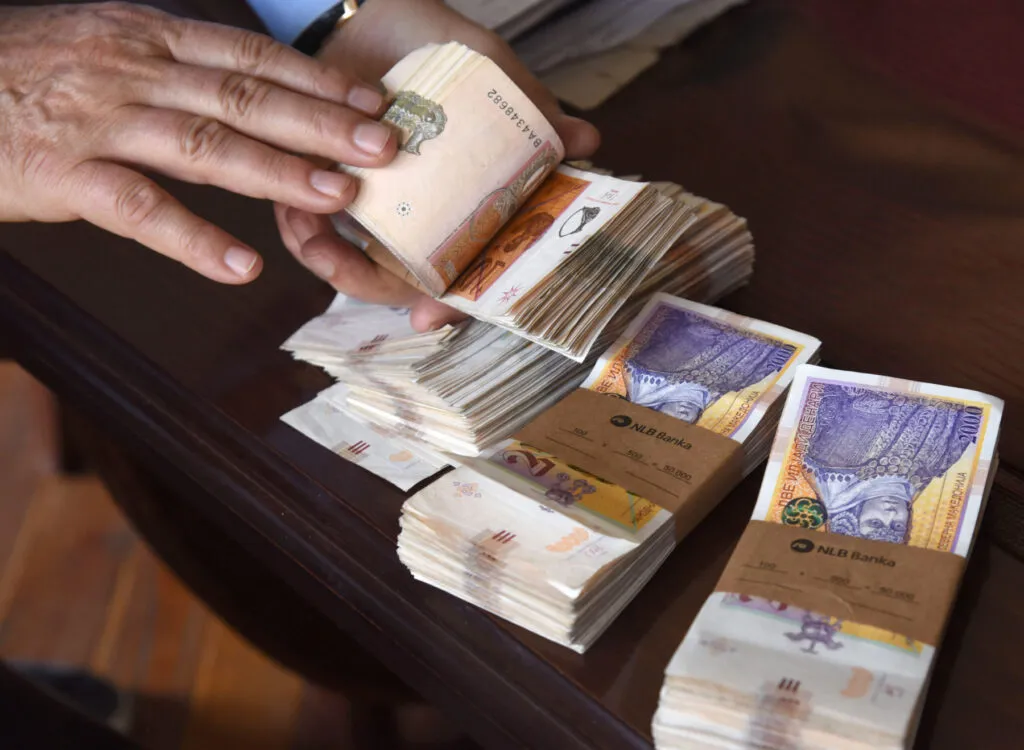
Two public calls from the Ministry of Economy and Labour offer domestic manufacturing companies between 200,000 and 500,000 denars in support. The ministry covers 70 percent of eligible costs. The application deadline is 15 September 2026.
The first call targets cooperation between manufacturing companies and universities - introducing innovative methods linked to the circular economy, digitalisation and smart specialisation. The total value of that call is five million denars, and a single company can receive at most 500,000 denars.
The second call covers implementation and standardisation of processes and improving competitiveness. It has two million denars available, with a maximum of 200,000 denars per company.
Seven million denars for an entire industry
The combined fund of both calls comes to seven million denars. That is about 114,000 euros - for every manufacturing company in the country.
The number reads itself. Each of the two calls, divided by its own maximum award, stretches to ten companies - five million at 500,000 each, two million at 200,000 each. Around twenty firms for the whole country. That is not industrial policy, that is a pilot programme.
Deputy Minister of Economy and Labour Marjan Risteski says company interest is high and that the measures bring production upgrades, European standards and digitalisation, and indirectly new jobs. He cited the new plant of the company "VIK" in the Prilep industrial zone, with around 300 employees, operating on circular economy principles.
The question worth more than the amount
The most interesting part of the first call is not the money but the condition: a company must apply in partnership with a university. That opens a subject rarely discussed openly here - how much of the knowledge created in academic institutions actually reaches the factory floor.
Faculties have researchers and laboratories. Companies have concrete problems. When the two sides work separately, the economy loses. When they cooperate, products and processes get developed that fit local conditions.
But a partnership requirement is no guarantee the cooperation will be real. If projects lack clear goals, responsibilities and success indicators, the partnership stays a signature on paper that unlocks a subsidy - and we have seen that before.
There is a practical risk too. If the paperwork is too complex or the deadline too short, small companies - the ones that need the support most - simply will not apply. A call that opens and closes while the accountant is still reading the announcement is not equally open to everyone.
The real indicator will not be the number of applications. It will be whether anyone, a year from now, publishes which projects were supported and what they produced. Without that report, the seven million denars will stay just another line in an annual programme.
The latest 10 news from this category

The tax falls, petrol gets more expensive - both true at the same time. The measure lasts fourteen days, and...
Nobody pulls out a vine out of spite. You pull it out when the numbers stop adding up - and...

Sixteen thousand tonnes of copper a year against ten years of resistance around Strumica. The question is not mine or...

A researcher quit because the firms are gambling with our lives. Instead of denying it, Anthropic confirmed it - with...
A technology sold for decades as the answer to the climate is now taking money from the defence industry. The...

Write a sentence, get a game. Until now it worked only in New Zealand, now in Belgrade too. Creators on...
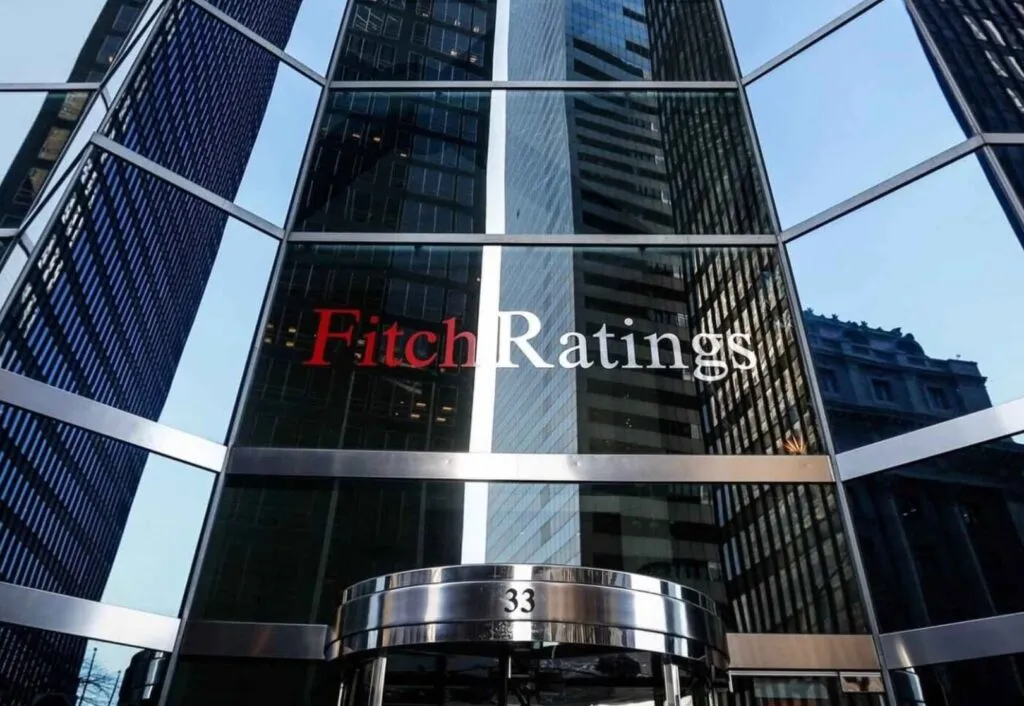
The deficit target raised from 3.5 to 4.1 percent of GDP, spending growing faster than revenue, and the growth forecast...

On euro loans with a variable rate, the rise comes due at the next reset. On fixed ones, it does...

The agreed price for first class is 40 denars. At the collection points they pay 15 to 18. Across the...

A Skopje company owes 14.87 million euros and there is nothing to recover it from. In one month the total...
This site uses cookies - is that okay? Learn more
Be the first to know when Metla launches something new
Leave your email and we will write when there is a new guide or something new on Metla.