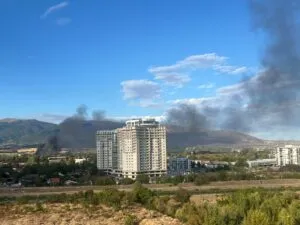
Black Smoke Over Skopje: A Paint and Varnish Warehouse Burned Inside the Old Steelworks
23.09.2026


23.09.2026
23.09.2026
23.09.2026

23.09.2026
23.09.2026
23.09.2026
23.09.2026

22.09.2026

21.09.2026

23.09.2026

23.09.2026

22.09.2026

23.09.2026

23.09.2026

23.09.2026

23.09.2026

22.09.2026

21.09.2026
23.09.2026

23.09.2026

23.09.2026

23.09.2026

23.09.2026

23.09.2026

09.03.2026

27.02.2026

19.02.2026

23.09.2026
22.09.2026

21.09.2026

23.04.2026

23.04.2026

12.04.2026

When a state starts paying middlemen to bring it soldiers, that is no longer recruitment - it is a market. And like every market, the price says everything. In Russia that price has reached a million roubles per person delivered in some regions, or around 22,200 dollars.
More than half of Russia's regions now offer a cash reward to anyone who finds a new contract soldier for the war in Ukraine. By August 2026, 56 regions had introduced such rewards - last year there were 31. Of these, 38 run official programmes, while the rest, according to the analysis the reports cite, hand out the money through private employment agencies. The line between official and unofficial is fairly thin here.
Smolensk jumped the most
The sharpest increase was recorded in the Smolensk region, where the reward for a delivered recruit jumped from 115,000 to a million roubles. Almost ninefold, in a single year. At the same time the one-off payment for the newly recruited soldier himself rose from 1.6 to 2.1 million roubles. There were increases in Samara, Ryazan, Saratov, Irkutsk, Kaliningrad and Kemerovo too, as well as in the Republic of Altai.
The most telling figure comes from the Ryazan region. There, a middleman who brings in a man from another Russian region or a foreigner gets 804,598 roubles. If he brings in a local resident - 57,471. Fourteen times less for a neighbour. That is not a price list for patriotism, it is a price list for resistance: the locals are already gone or no longer willing, so the money goes where there is still somebody left to persuade.
„If recruitment fails, mobilisation follows”
Sergei Krivenko of the human rights organisation „Citizen. Army. Law” says the rise in bonuses shows the pressure the regions are under, and says the sentence the whole of Russia is waiting for: if recruitment fails, mobilisation follows.
German economist Janis Kluge estimates the number of new contract soldiers is at its lowest level in three years. Economist Dmitry Nekrasov, on the other hand, believes Russia can keep raising the bonuses, because the current sums are modest compared with the total cost of deploying one soldier. In other words - there is still room in the budget before it comes to coercion.
The laws are written in advance
The Institute for the Study of War believes the Kremlin is already creating the legal conditions for a wider mobilisation, by expanding the powers of the security services. In June the State Duma passed a law allowing people with certain criminal records to sign contracts with the Defence Ministry during a mobilisation. Deputy Defence Minister Viktor Goryemkin said openly that this would expand the pool of potential soldiers. Back in late 2025 Putin signed laws enabling reservists to be deployed into combat without declaring a general mobilisation of the entire country.
So the machine is assembled: the laws exist, the powers are expanded, and the money holds the whole thing together while paying is still worth it. The Balkans know this sequence by heart - first the volunteers, then the rewards, then the lists. The question is not whether Moscow has more roubles. The question is how long the rouble stays cheaper than the call-up.
The latest 10 news from this category
The offer is deliberately narrow - energy only, with a deadline before winter. When a power line goes down in...
On the night Russia was closing its parliamentary elections, Ukrainian drones reached the refinery at Kapotnya and residential blocks in...
Every sentence about last night's offensive has the same author - the Russian Ministry of Defence. There is smoke over...
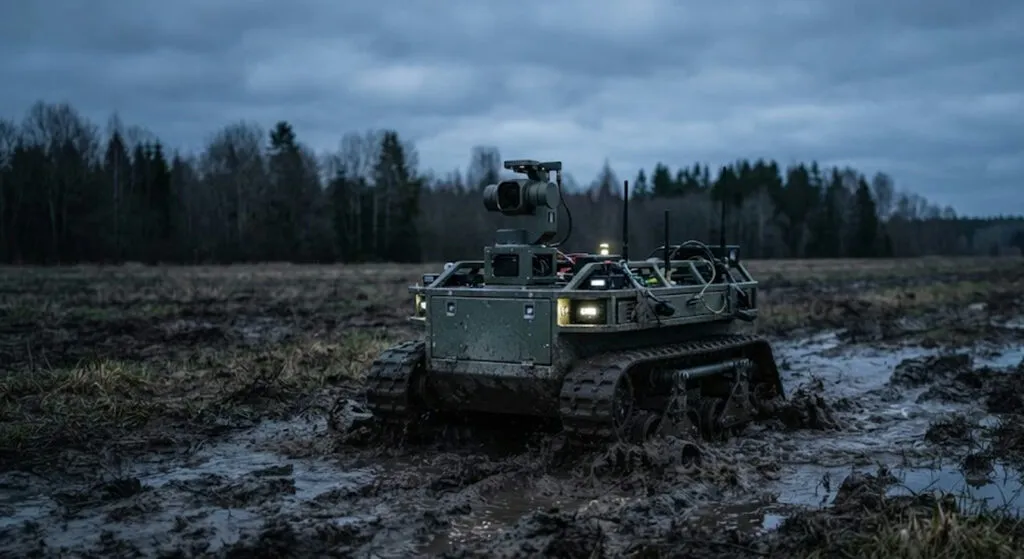
The Telegram statement reads like a trailer: drones that blind drones, robots dropped from the air behind enemy lines, and...
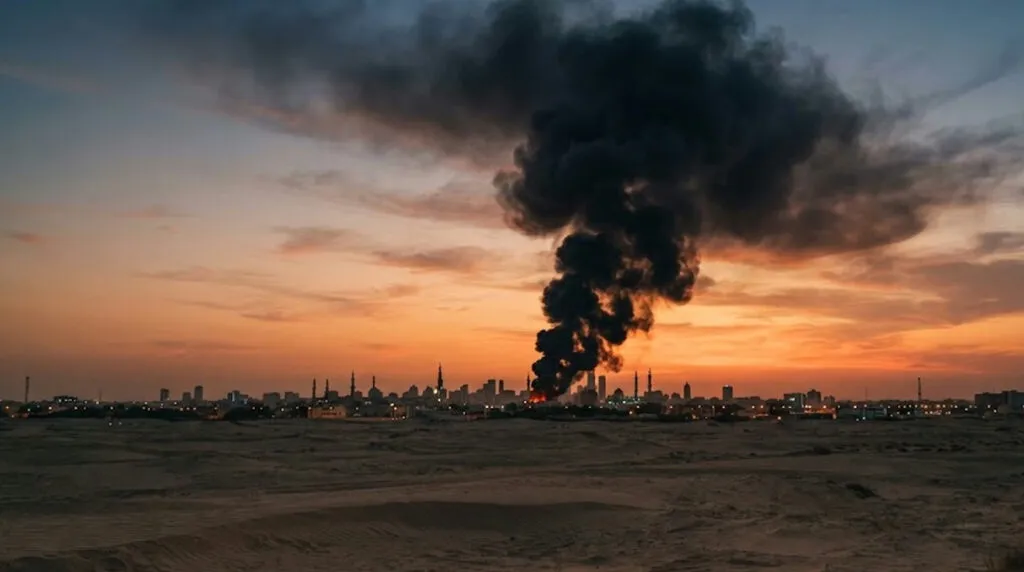
Black smoke over the main airport, sirens in the middle of the night and a state that will not say...
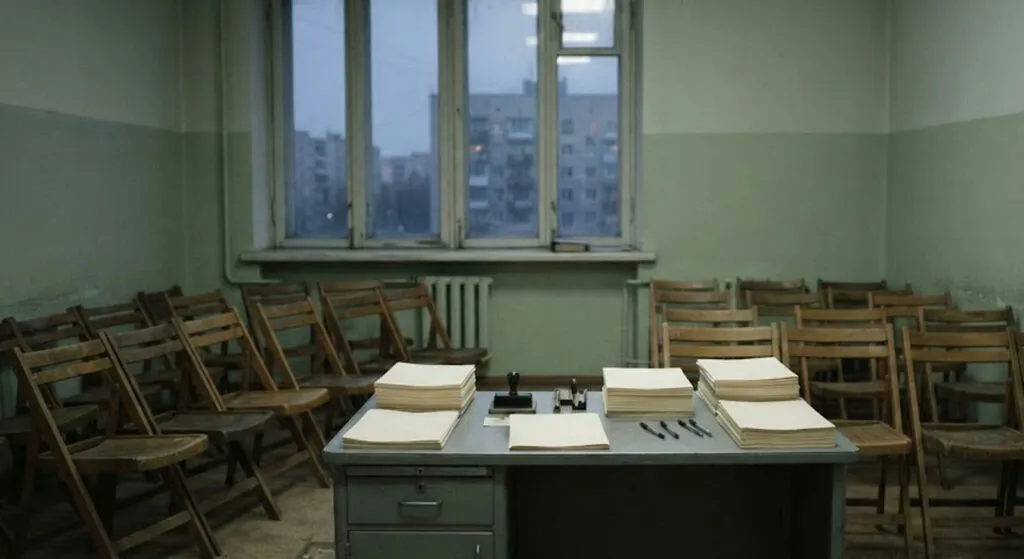
Western agencies say no decision has been taken - only preparations that would let it all happen overnight. In the...
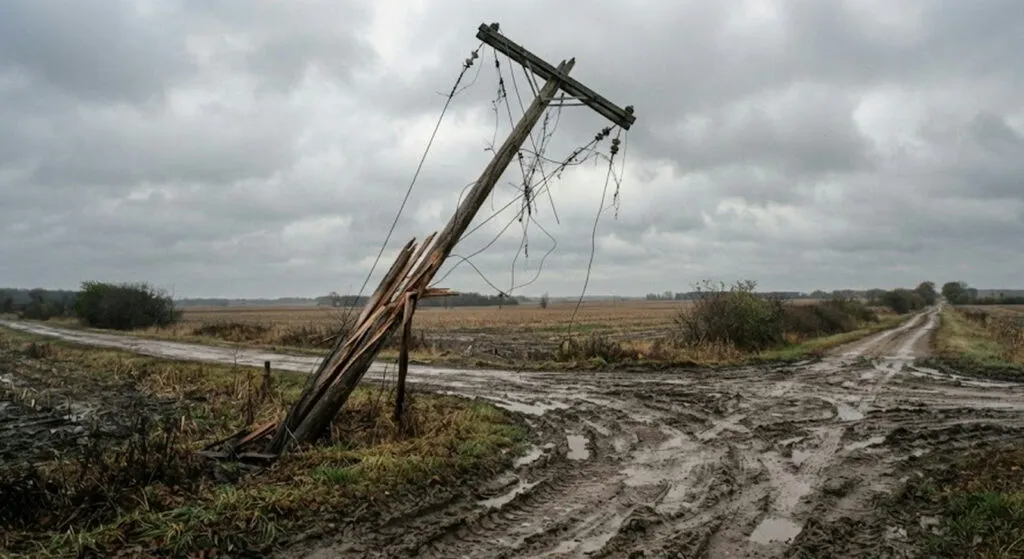
A Russian commander promised to cut the Kharkiv encirclement "like a pie". Every number comes from the camp running the...
Around 8,500 North Korean soldiers are still in Russia, among them 1,000 engineers and 400 drone operators. Estimates point to...
The unit was running, the operating regime did not change, there was no fire. The difference between a news item...
The bill passed with 262 votes, and the key to it has been handed to a man who has already...
This site uses cookies - is that okay? Learn more
Be the first to know when Metla launches something new
Leave your email and we will write when there is a new guide or something new on Metla.