Six Years of Fake Licence Categories Issued From an Interior Ministry Desk: Six Charged, 21 More Under Investigation
21.09.2026


21.09.2026

21.09.2026

21.09.2026

21.09.2026

21.09.2026
21.09.2026

21.09.2026

20.09.2026
20.09.2026

21.09.2026

21.09.2026

20.09.2026

21.09.2026

21.09.2026

21.09.2026

21.09.2026

20.09.2026

19.09.2026

21.09.2026

21.09.2026
21.09.2026
21.09.2026

21.09.2026

21.09.2026

09.03.2026

27.02.2026

19.02.2026

21.09.2026

21.09.2026
20.09.2026

23.04.2026

23.04.2026

12.04.2026

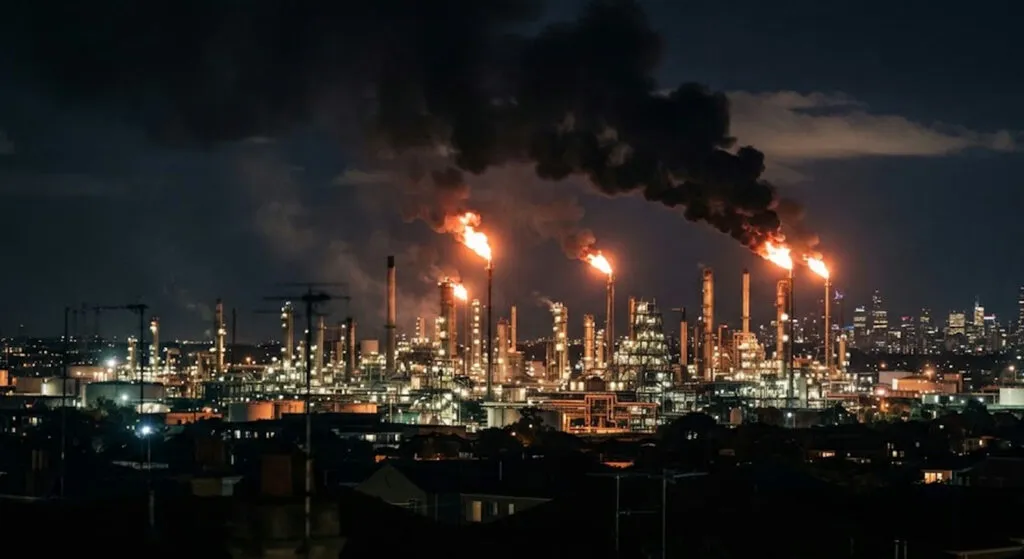
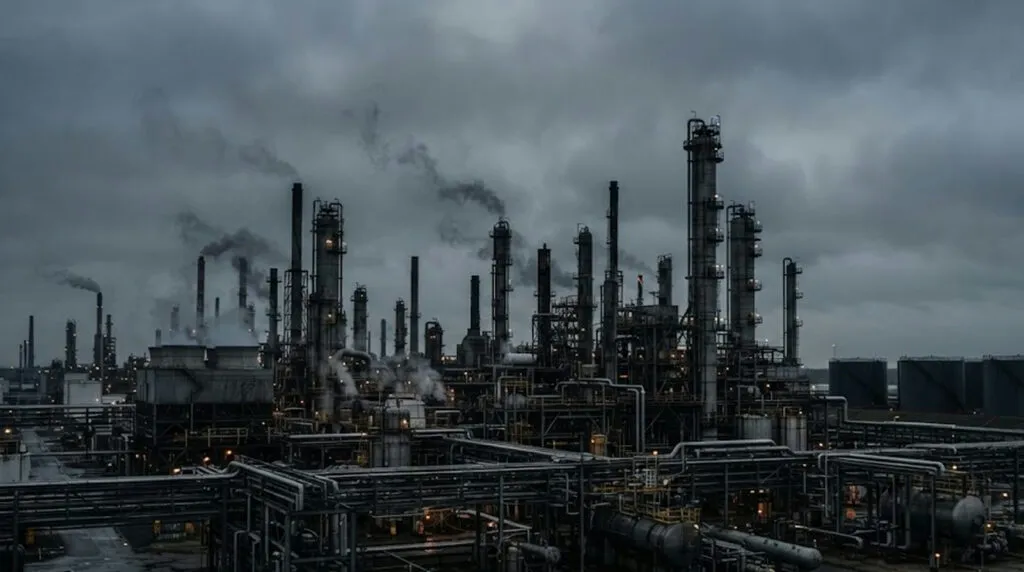
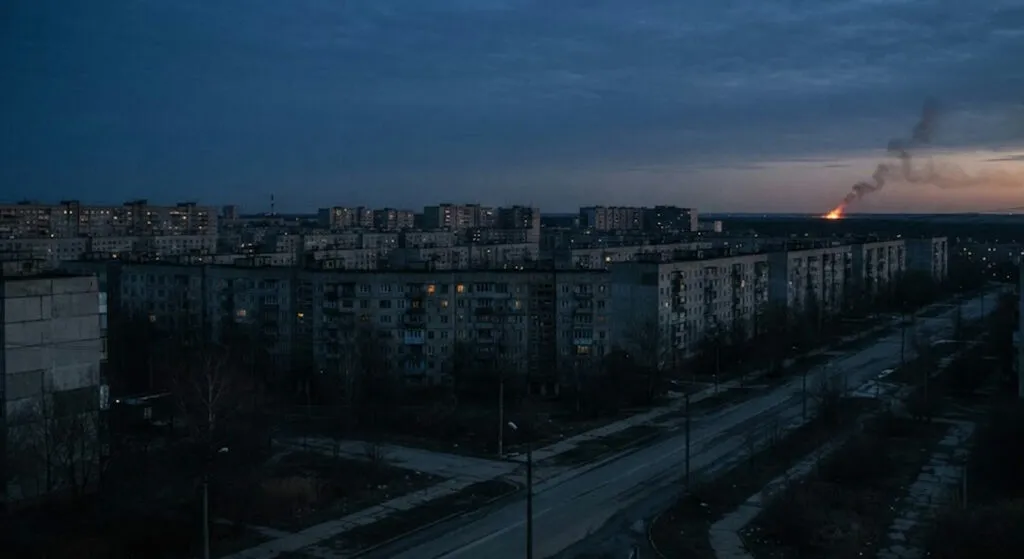
Moscow and the Moscow region spent the night into Sunday under the largest drone attack so far - that is how Mayor Sergey Sobyanin himself described it. At least two people were killed and six injured, and a facility within the Moscow oil refinery at Kapotnya, in the south-east of the city, was hit. Footage residents posted on social media shows a large fire above the refinery.
The timing is not coincidental: it was the final day of Russia's parliamentary elections. As the Kremlin was closing the ballot boxes, drones were falling over the Moscow region.
Sobyanin claims that more than 1,600 drones were intercepted across various defence lines since the previous day, around 450 of them on the approaches to Moscow. The number is impressive - and impossible to verify independently. When the only source for the success of the air defence is the man running the air defence, the question is not whether the number is accurate, but why we are being given it at all.
Moscow region governor Andrey Vorobyov confirmed two deaths. In Sofyino, in the Ramensky district, a drone struck a three-storey residential building - a 44-year-old woman was killed and five people injured, two of them children. In the Orekhovo-Zuyevsky district an elderly man died after a drone hit his house, which then burned down. In Ramenskoye the roof of a 21-storey block also caught fire: around 400 people were evacuated, among them 70 children, and about twenty cars were damaged. Airports imposed restrictions and dozens of flights could not land as scheduled.
The Ukrainian defence company Fire Point announced that its long-range FP-1 drones struck a warehouse complex in Sofyino, specifically the depots of the company Sovremennye Skladskie Tekhnologii. This too is not independently confirmed - in this war each side has its own figures and its own footage.
The refinery is not a random target. It is run by Gazprom Neft, can process around 12 million tonnes of crude a year and is a key fuel supplier for the Moscow region. It was already badly hit in June: according to industry sources, two attacks then damaged both main primary processing units, with repairs potentially taking at least six months. Ukraine's general staff announced at the time that processing had stopped entirely. Now it is burning again.
This is part of a pattern: in recent months Ukraine has systematically struck Russian refineries, oil depots and military infrastructure deep inside Russian territory. Only three days earlier Ukraine's SBU confirmed an attack on the refinery at Yaroslavl and on the Rostov-Central military airfield, where it claims three military transport aircraft and three helicopters were hit. Kyiv explains these strikes as an attempt to reduce Russia's military and economic capacity to continue the war. Translated: make the war too expensive for the one paying for it.
Russia, of course, is simultaneously continuing mass drone and missile attacks on Ukrainian cities. But something has shifted in perception: more than four years after the Kremlin called it a "special operation", drones are landing on roofs in Moscow's suburbs. The Balkans know very well that a war becomes real only when it reaches your own street. How much longer can a capital keep persuading itself that all this is happening somewhere far away?
The latest 10 news from this category
Every sentence about last night's offensive has the same author - the Russian Ministry of Defence. There is smoke over...
The Telegram statement reads like a trailer: drones that blind drones, robots dropped from the air behind enemy lines, and...
Black smoke over the main airport, sirens in the middle of the night and a state that will not say...
Western agencies say no decision has been taken - only preparations that would let it all happen overnight. In the...
A Russian commander promised to cut the Kharkiv encirclement "like a pie". Every number comes from the camp running the...
Around 8,500 North Korean soldiers are still in Russia, among them 1,000 engineers and 400 drone operators. Estimates point to...
The unit was running, the operating regime did not change, there was no fire. The difference between a news item...
The bill passed with 262 votes, and the key to it has been handed to a man who has already...
Ukraine adapts in weeks, the Alliance in decades. Europe is paying for Patriot systems from 1991 and is only now...
Missiles and drones on the Ukrainian capital, damaged water mains and residential buildings. The same night, Ukrainian drones set the...
This site uses cookies - is that okay? Learn more
Be the first to know when Metla launches something new
Leave your email and we will write when there is a new guide or something new on Metla.