
The Video Found Them in a Day: Two Minors and a 20-Year-Old Suspected in the Brutal Gostivar Beating
04.08.2026


04.08.2026

04.08.2026

04.08.2026

04.08.2026

04.08.2026

04.08.2026

04.08.2026

04.08.2026

03.08.2026

04.08.2026

04.08.2026

04.08.2026

04.08.2026

03.08.2026

02.08.2026

04.08.2026

04.08.2026

04.08.2026

04.08.2026

04.08.2026

04.08.2026

09.03.2026

27.02.2026

19.02.2026

03.08.2026

03.08.2026

03.08.2026

23.04.2026

23.04.2026

12.04.2026
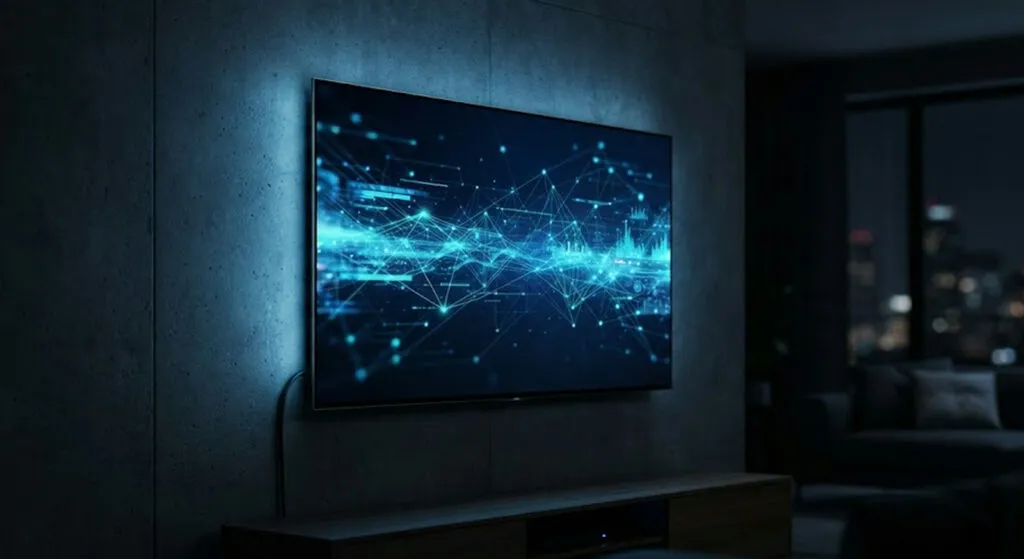
You are playing Pac-Man on the TV. The game is free, and Samsung recommended it in the "Editor's Choice" section right there on the screen. What is written nowhere visible is that from the moment you tap accept, your home internet line becomes a tunnel through which someone unknown on the other side of the world routes their traffic.
That is the finding of Norwegian cybersecurity firm Mnemonic, published on Monday. Several popular Samsung smart TV apps contain code for so-called residential proxy networks that use the user's connection as an exit point for third-party web traffic. According to the developers themselves, some of these apps are installed on hundreds of millions of televisions.
The most uncomfortable detail is how this got through review. Many of these apps are empty shells of a few lines of code whose only job is to pull content from another server. Whoever reviewed the app saw only those few lines - not what the server would send afterwards. "What was reviewed is not necessarily what runs," wrote Harrison Sand, an offensive security consultant at Mnemonic. That says everything about the value of the review.
Sand unlocked the internals of a Samsung television and analysed all incoming and outgoing traffic. In the Pac-Man game he found code from Bright Data, an Israeli company that sells access to millions of residential networks worldwide and runs a marketplace for harvested datasets. The code, he says, lies dormant until the user accepts a consent screen - then runs in the background until the app is deleted. So you switch off the television, and the tunnel stays open.
Of the traffic he saw, a large share looked like mass harvesting of LinkedIn profiles and data for training artificial intelligence models. Sand warns about something more significant too: "a simple change of code on a web server" could suddenly turn hundreds of millions of televisions into a potentially malicious botnet. Bright Data did not respond to a request for comment.
Samsung reacted after being contacted. The company said it had already restricted new registrations of apps with proxy functionality and is working to identify and remove any such apps still in the store. A month earlier LG announced the same, after a report showed that around 42 percent of apps on its platform were enrolling the television into a proxy network. When nearly every second app on a platform does the same thing, that is no longer an individual developer's oversight.
Residential proxy networks are not illegal in themselves - they also serve to bypass censorship, and AI companies use them heavily for data collection. The problem is that the traffic looks as if it comes from an ordinary house, is encrypted and practically impossible to separate out, which means a hacker on another continent can operate from your address. The next time someone explains to you why a television needs an app store, know exactly what you are clicking on.
The latest 10 news from this category

Alex Karp argues that companies building language models pipe your expertise into their model to take your business. In the...
The operator covering 67 million consumers admitted it does not have power for everyone and decided in advance who gets...
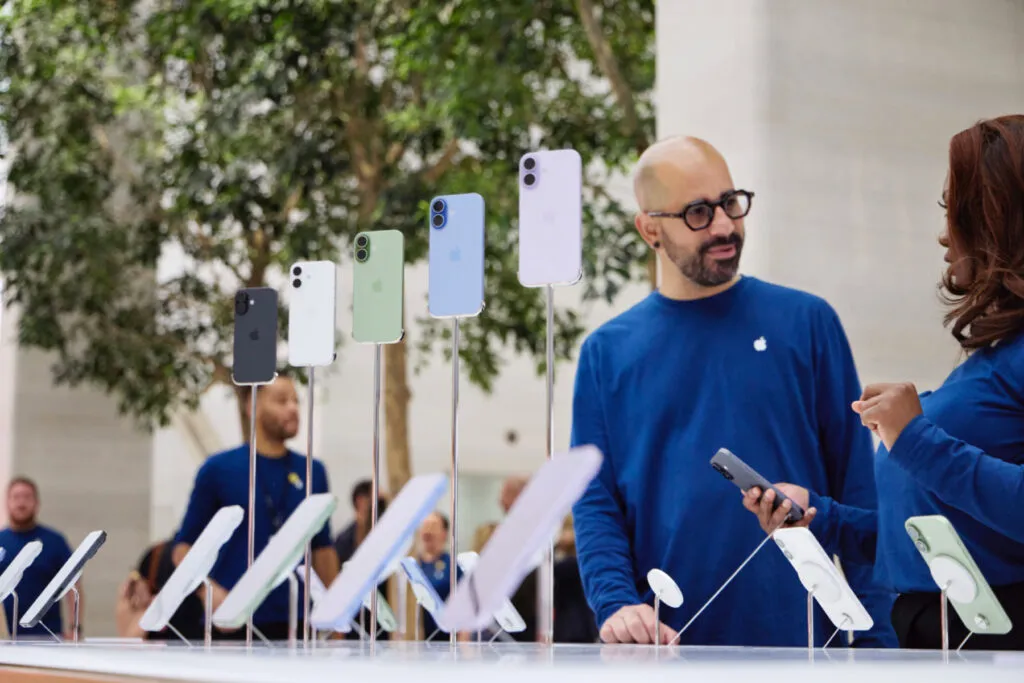
Sales are not falling because people got poorer, but because old phones stopped breaking on schedule. The industry's answer is...

Opus 5 set a record in the test and broke 11 agreements. Not one of the tricks is new -...

The billions were announced with a stage and slogans. The retreat is happening quietly, in sentences containing the word alignment.
In his last quarterly report Tim Cook announced the stronger Siri will be bought through iCloud+. The firm that paid...

The platforms that spent years convincing us automated content was the future are now patiently building filters against it. The...
Out of 141,006 test runs, three ended up inside the live systems of real firms. The oldest model worked out...
The strongest June quarter in its history, and the stock fell 6 percent. Artificial intelligence turned out to have a...

The FCC is closing the door to humanoid robots and power inverters, but only new ones. The millions of Chinese...
This site uses cookies - is that okay? Learn more
Be the first to know when Metla launches something new
Leave your email and we will write when there is a new guide or something new on Metla.