
Food safety inspector detained in Skopje: a clean inspection report allegedly came with a price tag
25.09.2026


25.09.2026

25.09.2026

25.09.2026

25.09.2026

25.09.2026

25.09.2026
25.09.2026

24.09.2026

23.09.2026

25.09.2026

25.09.2026

24.09.2026

25.09.2026

25.09.2026

25.09.2026

25.09.2026

24.09.2026

23.09.2026

25.09.2026

25.09.2026

25.09.2026

25.09.2026

25.09.2026
24.09.2026

09.03.2026

27.02.2026

19.02.2026

25.09.2026
24.09.2026

23.09.2026

23.04.2026

23.04.2026

12.04.2026

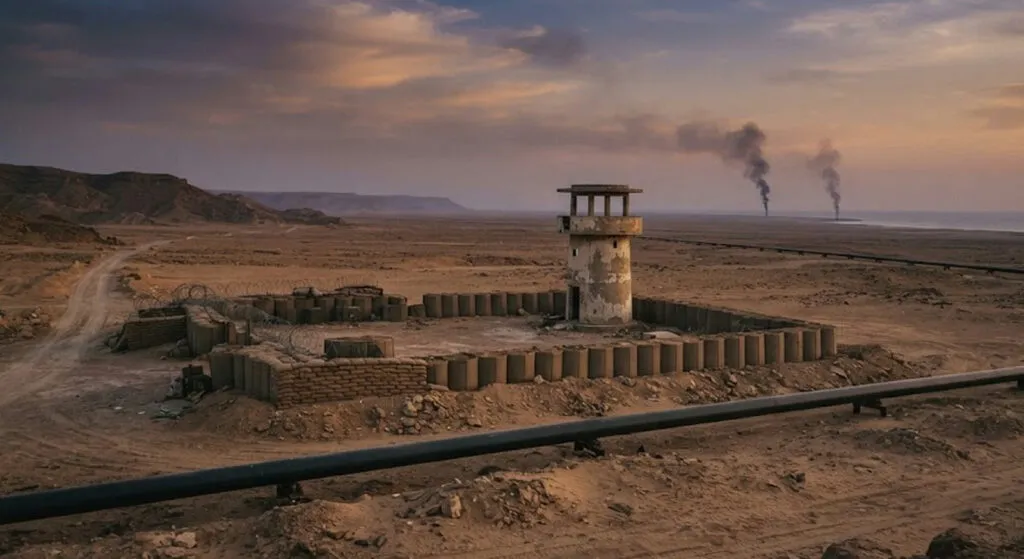
When the highest religious authority in Saudi Arabia tells soldiers to be ready to lay down their lives, it isn't a routine sermon. The Grand Mufti, Sheikh Saleh bin Fawzan Al-Fawzan, sent a message to troops on the kingdom's borders: defend the land and be prepared to die fighting Yemen's Houthis, until the group has been completely removed from power. The message was published by the Saudi state news agency.
The mufti rarely speaks out this sharply. His message cites verses from the Quran and sayings of the Prophet Muhammad on sacrifice and struggle "in the way of God". "Protecting this great nation and punishing anyone who tries to grab even a span of its territory are among the greatest duties and noblest acts of piety, for which lives and souls may be sacrificed," he said. He told front-line soldiers to obey their commanders and rulers, because in doing so they "defend the holy places of Muslims".
The context explains everything. For weeks the Houthis have been pummelling Saudi Arabia with drones and missiles, and Riyadh has hit back with air strikes. The kingdom said it intercepted six ballistic missiles fired towards the west of the country and the Red Sea port of Yanbu, while the rebels claim they targeted sites in Riyadh itself and Saudi Aramco oil facilities. Oil prices on world markets immediately jumped by about three percent.
The strait that has the world by the throat
The real reason for the panic in Riyadh is on the map. Two weeks ago, rebel forces swept across Yemen's entire west coast in a rapid offensive and reached the Bab el-Mandeb strait - one of the most important shipping lanes in the world - taking it from Saudi-backed forces. Yemen's official government openly warned at the UN that, by controlling the strait, the rebels "are holding the entire world economy hostage".
The timing couldn't be worse. The attacks threaten Saudi exports via the Red Sea at the very moment passage through the Strait of Hormuz is also under strain. The rebels have declared a naval blockade of Saudi Arabia, and a key oil pipeline has also been hit by drones. If both main exits for Gulf oil are under pressure, how long will the price rise stop at three percent?
On land, the Houthis are pushing on the Hayjat al-Abd mountain pass to cut the last remaining supply route to Taiz, Yemen's third-largest city. If they succeed, government forces face total collapse.
When sanctions don't work, the sermons come out
Military analysts warn that Yemen's rebel army has grown into what is probably the most dangerous force in Iran's network in the Middle East. While Lebanon's Hezbollah has been weakened by Israeli strikes, the Houthis have proved more radical and more technically capable - they recently even shot down a modern Saudi F-15 fighter jet with an upgraded missile. Unlike other groups in the region, this army cares about neither the destruction nor public services: the money goes almost exclusively to fighting, and its driving force is an ideology of martyrdom.
Riyadh has called an emergency meeting of chiefs of staff with Turkey and Pakistan for today, under their joint defence pact. But in Pakistan there's growing concern that the country could be dragged into a long and bloody war in the Middle East. Alliances look solid on paper - until someone has to send troops.
International interventions and sanctions so far have produced nothing, so the Saudi leadership is now reaching for rare religious proclamations. The Balkans know all too well how it sounds when a state starts talking to its soldiers about sacrifice instead of victory. Does that mean the other options have already run out?
The latest 10 news from this category
Ukrainian drones are hitting refineries hundreds of kilometres deep inside Russia, while Russia's jet-powered "Shaheds" are already breaking through Ukraine's...
Russian sources call it a "Geran night", as if it were a date in the calendar. Explosions from Kyiv and...
One dead, eight injured, two major providers offline and the city railway halted. The Balkans knows what a city preparing...
99 MPs voted in favour, and a threat arrived from Moscow right away. Is a small country on the line...
The offer is deliberately narrow - energy only, with a deadline before winter. When a power line goes down in...
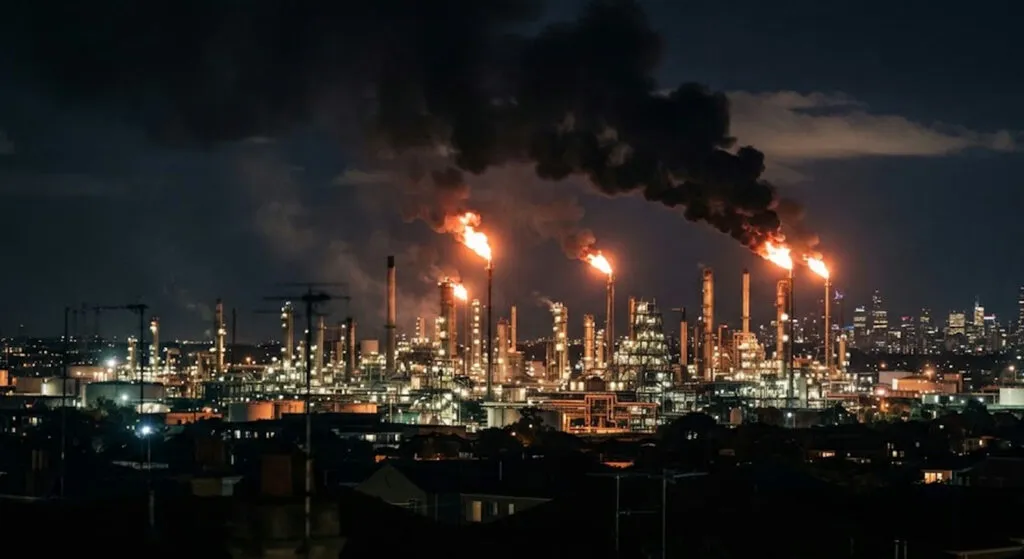
On the night Russia was closing its parliamentary elections, Ukrainian drones reached the refinery at Kapotnya and residential blocks in...
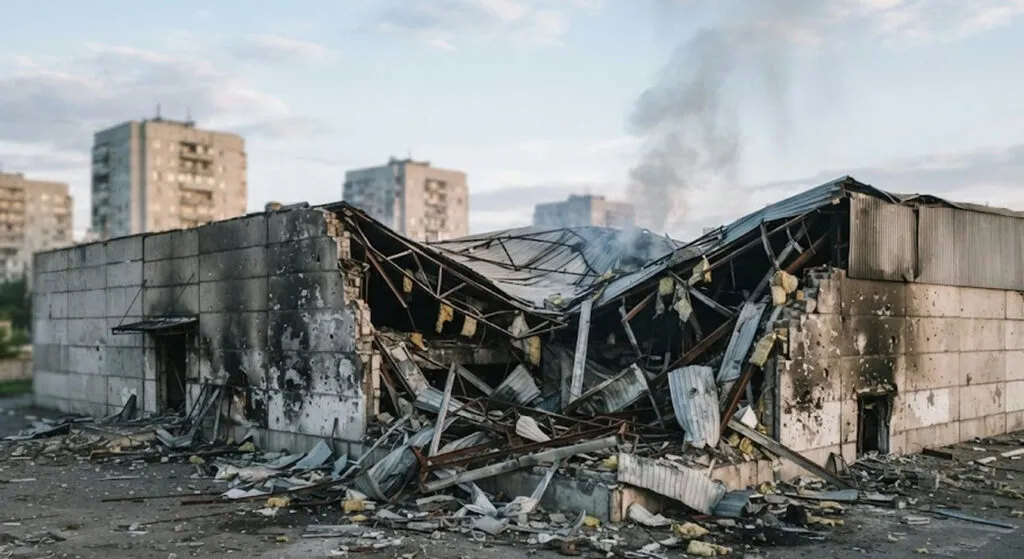
Every sentence about last night's offensive has the same author - the Russian Ministry of Defence. There is smoke over...
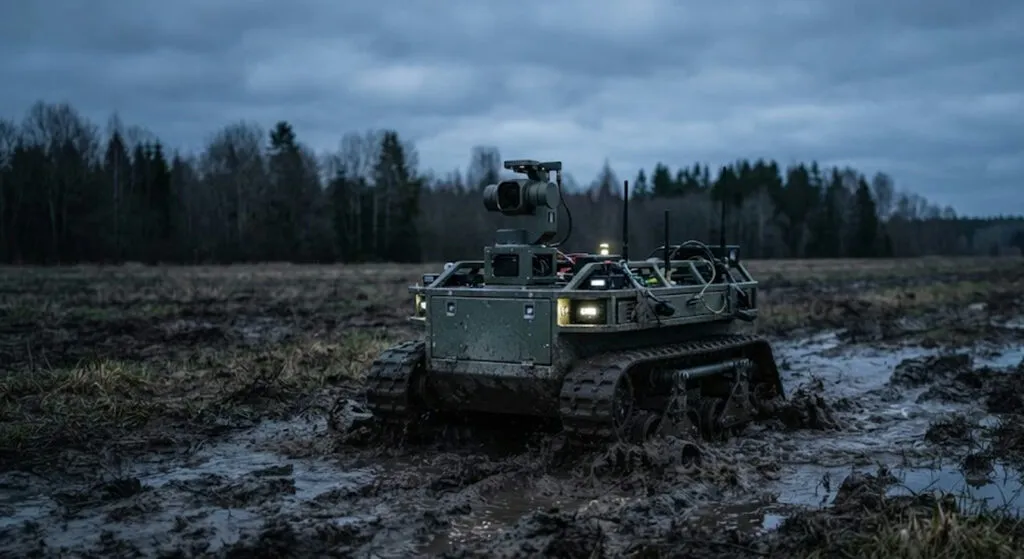
The Telegram statement reads like a trailer: drones that blind drones, robots dropped from the air behind enemy lines, and...
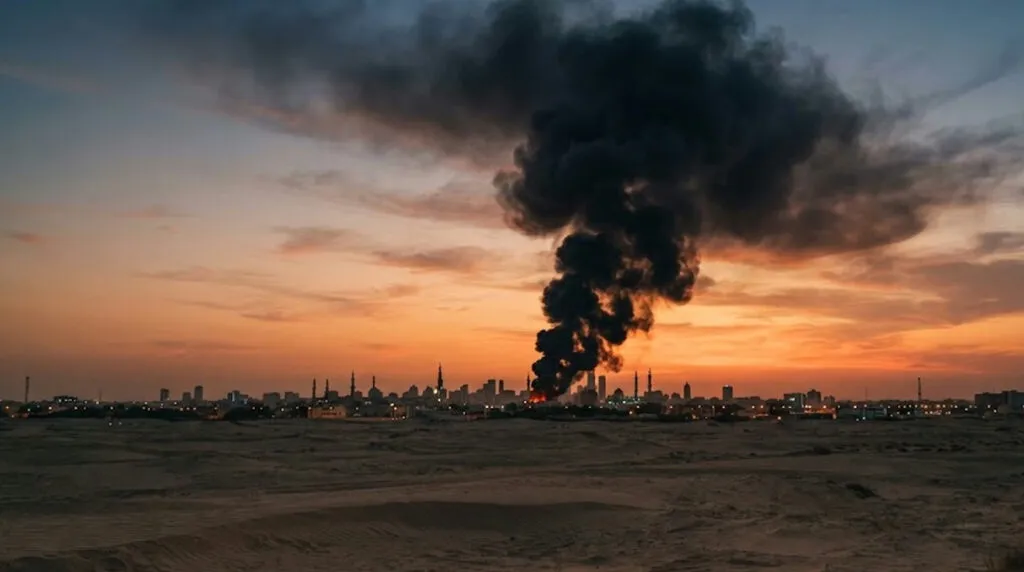
Black smoke over the main airport, sirens in the middle of the night and a state that will not say...
Western agencies say no decision has been taken - only preparations that would let it all happen overnight. In the...
This site uses cookies - is that okay? Learn more
Be the first to know when Metla launches something new
Leave your email and we will write when there is a new guide or something new on Metla.