
The "Lottery" Trial: 231 Pieces of Evidence, and So Far Not a Single Message Between Grubi and Bajrami
24.09.2026


24.09.2026
24.09.2026
24.09.2026
24.09.2026
24.09.2026
24.09.2026

24.09.2026

23.09.2026

22.09.2026

24.09.2026

24.09.2026

23.09.2026

24.09.2026

24.09.2026

24.09.2026

24.09.2026

23.09.2026

22.09.2026

24.09.2026

24.09.2026

24.09.2026

24.09.2026

23.09.2026

23.09.2026

09.03.2026

27.02.2026

19.02.2026
24.09.2026

23.09.2026
22.09.2026

23.04.2026

23.04.2026

12.04.2026

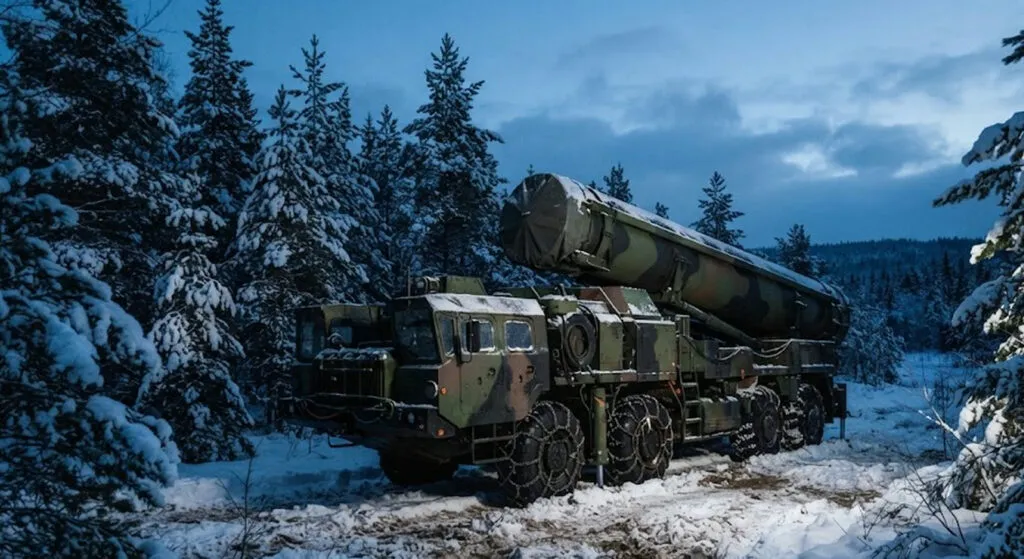
Lithuania's parliament has taken the first step towards deleting Article 137 of the Constitution - the provision that currently bans weapons of mass destruction and other countries' military bases on Lithuanian territory. The amendment was backed by 99 MPs, 13 voted against and five abstained. The response from Moscow arrived before the dust had even settled.
Alexei Zhuravlyov, first deputy chairman of the Defence Committee in Russia's State Duma, called for a strike with the "Oreshnik" missile or long-range drones on the sites where launchers would be placed, should nuclear weapons be deployed in Lithuania. "We need to respond extremely harshly - not with diplomatic notes and warnings," he told a Russian outlet. "It seems the West doesn't understand any other language at all."
It's worth reading the small print too: this is the position of a senior member of a Duma committee, not an announced decision by Russia's state leadership. But it isn't a lone voice either. Kremlin spokesman Dmitry Peskov said earlier this month that any deployment of nuclear weapons, instead of increasing Lithuania's security, would make it a target for Russia's nuclear forces. Deputy chairman of the Security Council Dmitry Medvedev went further on 11 September - in the event of a military conflict with Russia, he said, Lithuania could "disappear from the map of the world".
Vilnius uses the opposite logic. Deputy Defence Minister Karolis Aleksa says lifting the ban doesn't increase the danger of a Russian attack, but sends a stronger deterrence signal. "It is a legitimate means of deterrence with which we protect our sovereignty," he said, stressing that the amendment on its own doesn't mean American or other nuclear bombs will arrive in the country straight away. In peacetime, he says, no such plan currently exists. MP Laurynas Kasčiūnas explains that the current provision goes so far that an allied aircraft or ship carrying nuclear weapons couldn't use Lithuanian territory in the way that is allowed in other countries in the region.
There's still a long way to go. The change must be confirmed twice more, with three months between the votes, and each time with at least 94 votes out of 141 MPs. The first final vote is planned for October, and final adoption for January 2027. In the background is a Financial Times report from June that the US is considering deploying nuclear capabilities in additional NATO members in Europe, including Poland and the Baltic states. Lithuanian authorities have confirmed they are taking part in those talks.
Geography explains the nerves. Lithuania sits between Russia's Kaliningrad and Belarus, where Russia has already deployed tactical nuclear weapons. On the same day parliament voted, President Gitanas Nausėda announced that a new rotation of American troops was on its way to the country - since 2019 the US has mostly kept an armoured battalion of around a thousand soldiers there.
The Balkans knows from its own history what it's like to be a small country on the line between blocs - for decades Yugoslavia built its whole policy on not belonging to anyone. Lithuania is choosing the opposite answer: going fully under the nuclear umbrella. Whether that makes it safer, or just a bigger target on the maps in Moscow, we'll only find out at a moment when nobody would want to.
The latest 10 news from this category
One dead, eight injured, two major providers offline and the city railway halted. The Balkans knows what a city preparing...
The offer is deliberately narrow - energy only, with a deadline before winter. When a power line goes down in...
On the night Russia was closing its parliamentary elections, Ukrainian drones reached the refinery at Kapotnya and residential blocks in...
Every sentence about last night's offensive has the same author - the Russian Ministry of Defence. There is smoke over...
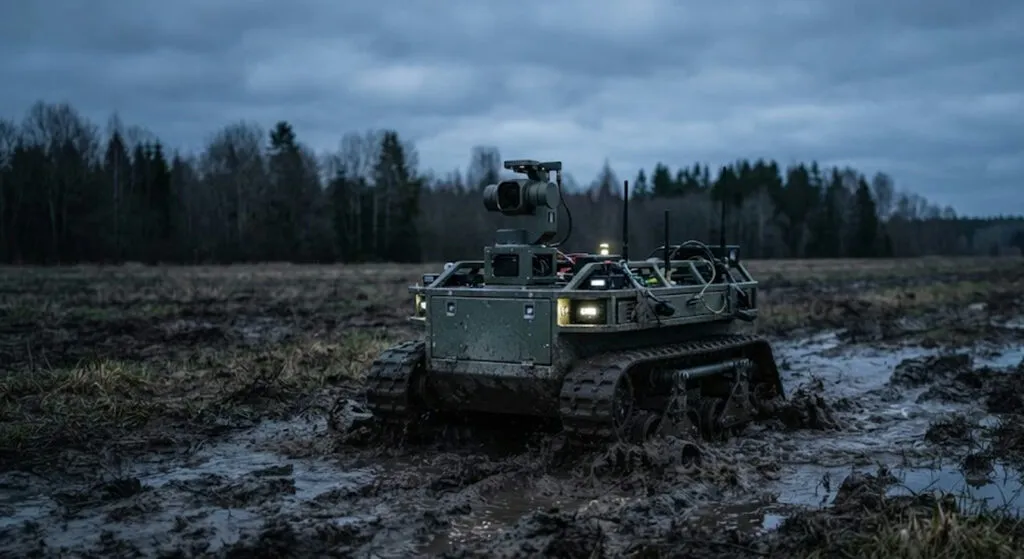
The Telegram statement reads like a trailer: drones that blind drones, robots dropped from the air behind enemy lines, and...
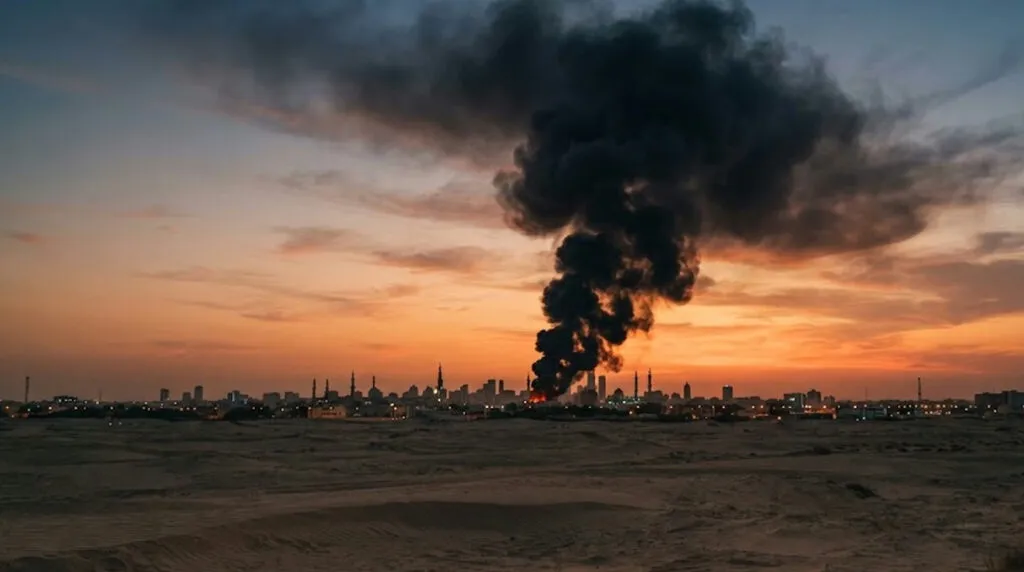
Black smoke over the main airport, sirens in the middle of the night and a state that will not say...
Western agencies say no decision has been taken - only preparations that would let it all happen overnight. In the...
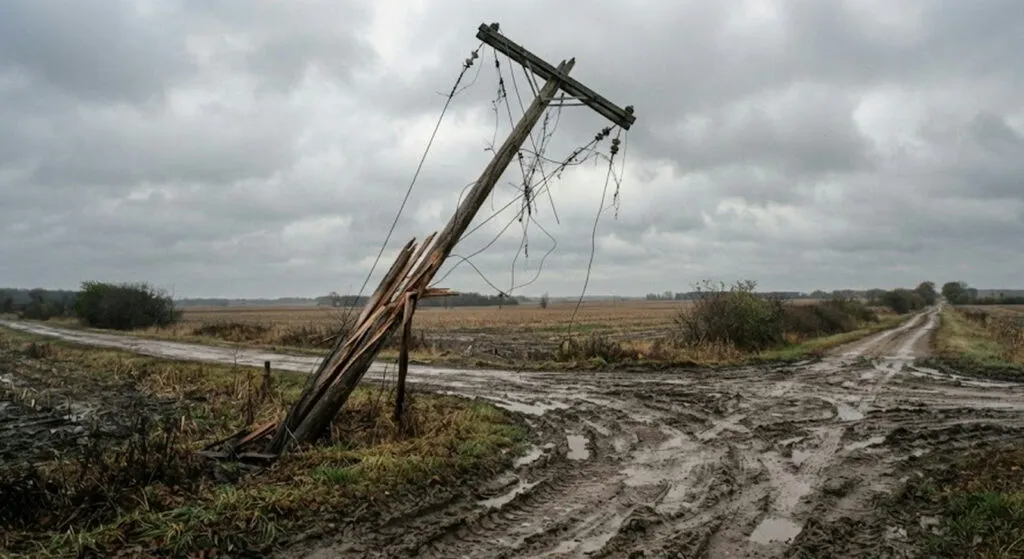
A Russian commander promised to cut the Kharkiv encirclement "like a pie". Every number comes from the camp running the...
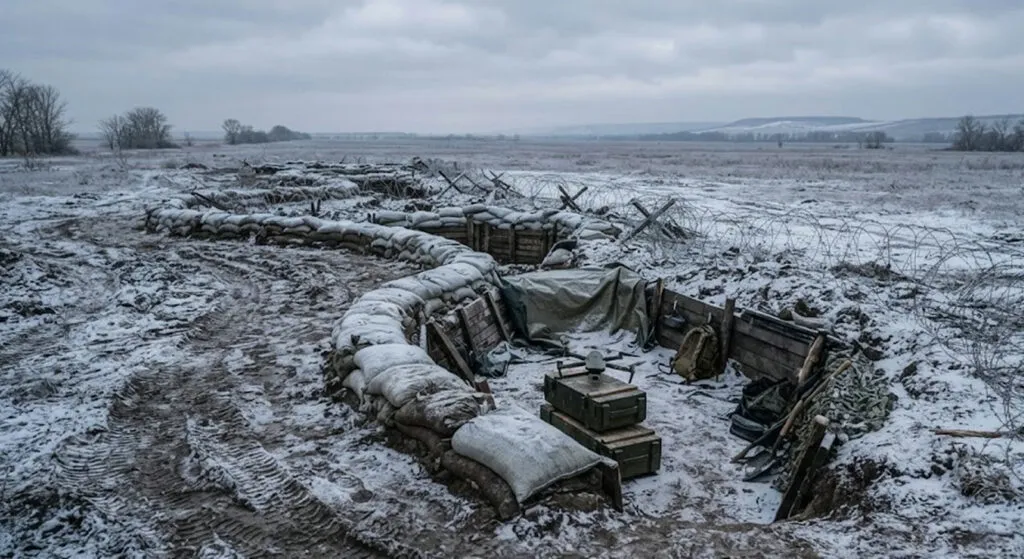
Around 8,500 North Korean soldiers are still in Russia, among them 1,000 engineers and 400 drone operators. Estimates point to...
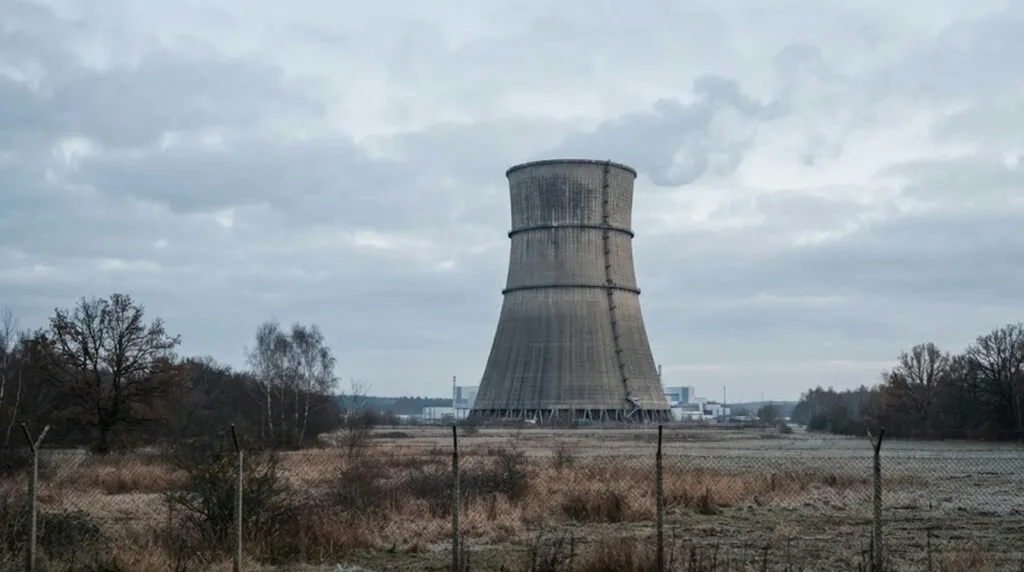
The unit was running, the operating regime did not change, there was no fire. The difference between a news item...
This site uses cookies - is that okay? Learn more
Be the first to know when Metla launches something new
Leave your email and we will write when there is a new guide or something new on Metla.