

Two Reports in One Day: an 80-Year-Old Beaten in Her Own Yard in Tearce, an 82-Year-Old from Veles Detained for Years of Beating His Wife
22.08.2026


22.08.2026

22.08.2026

22.08.2026

22.08.2026

22.08.2026

22.08.2026
22.08.2026

22.08.2026

21.08.2026

22.08.2026

22.08.2026

21.08.2026

22.08.2026

22.08.2026

22.08.2026

22.08.2026

21.08.2026

20.08.2026

22.08.2026

22.08.2026

22.08.2026

22.08.2026

22.08.2026

21.08.2026

09.03.2026

27.02.2026

19.02.2026

22.08.2026
21.08.2026
20.08.2026

23.04.2026

23.04.2026

12.04.2026
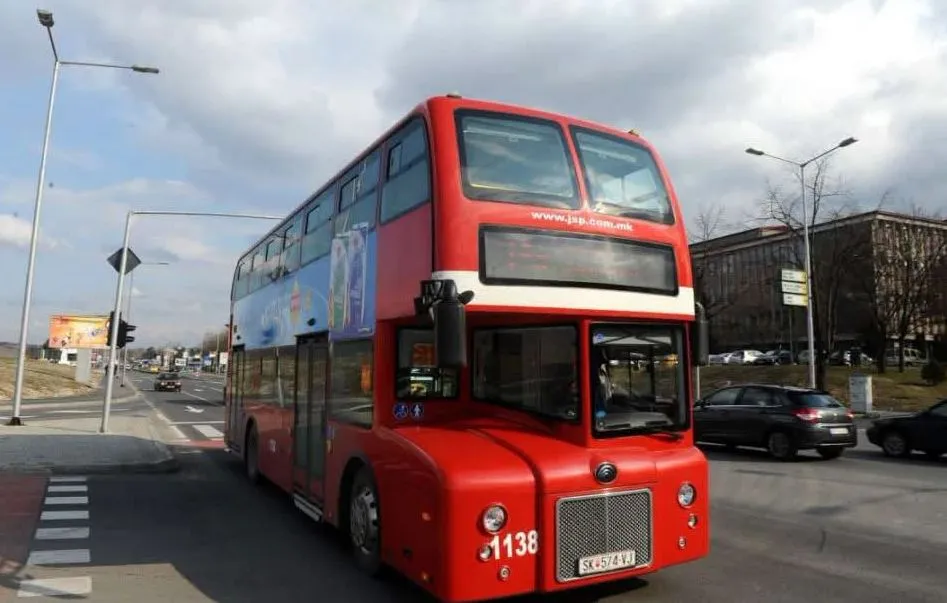
"I waited almost an hour for the number 5. There were several of us at the stop. When we saw it was not coming, we all went our separate ways," says a Skopje resident. This is not an exception that made the news because it is rare. It is close to the definition of public transport in Skopje right now.
Citizens are complaining on social media that the transport company JSP does not respect its own timetable and that buses fail to show up for an hour at a time, forcing people to give up waiting and improvise. The line doing the rounds is that Skopje is a metropolis on paper and a waiting room in reality.
When the wait is longer than the journey
The strongest complaint is not about the delay itself. It is about the attitude: how is it possible that in the capital citizens spend more time waiting for a bus than travelling on it?
One resident puts it bluntly: "Waiting 50 or 60 minutes for public transport is not just a technical fault in the system - it is direct disrespect for the time, effort and dignity of every inhabitant of this city."
He also adds the economic angle, which the debate usually leaves out. Public transport is not a luxury but a basic public service. For a worker, every delay means stress, lost time and risk at the workplace. Not everyone can drive a car, and an average worker's budget does not stretch to a daily taxi.
And for the elderly, he says, standing for hours in the sun or the rain is physical torment: "A city is measured by how it looks after its most vulnerable."
An answer that promises nothing
JSP says it takes every citizen complaint seriously and is continuously working to improve the regularity of its lines.
That is a sentence that could be published today or in six months and nobody would notice the difference. It contains no number - not how many vehicles are in service, not how many are broken down, not what interval is guaranteed on which line.
Meanwhile, the debate has picked up proposals to extend line 35 to Radisani, so residents of Butel could connect with Aerodrom. A new route on an already unpredictable network is a solution that sounds good on paper.
But the problem people in Skopje are describing is not a shortage of lines. The problem is that the bus on the existing line does not arrive. The timetable is a promise published by a single company - and the only person checking it every day is the passenger at the stop.
The latest 10 news from this category

The ranger service is working harder and the animals are showing up more often. That is not a coincidence -...
Six locations in one weekend, most of them outside its own territory. Dimitrievski said out loud what ZELS has been...
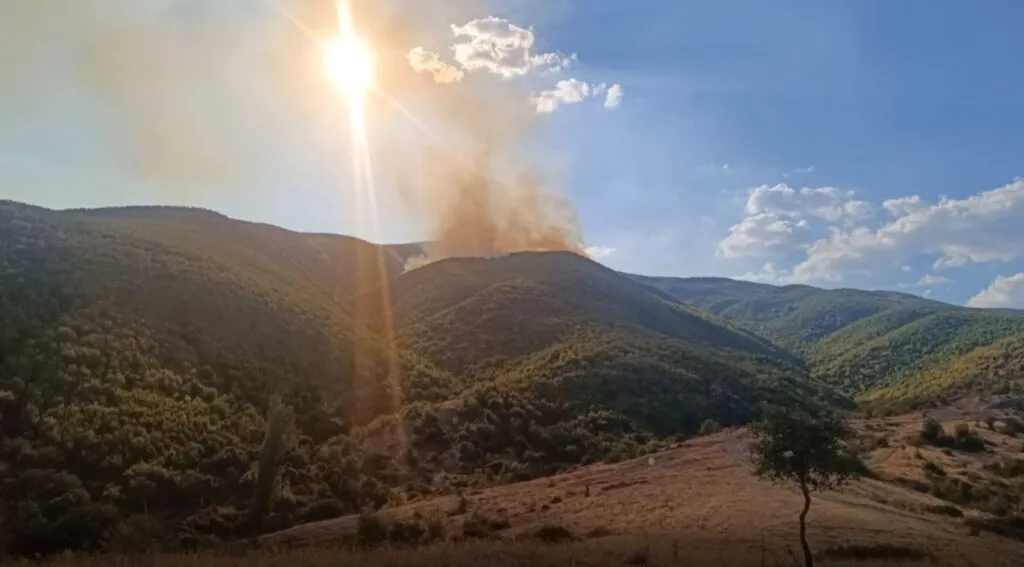
The fire split into two arms, one heading for the monastery above Matejce. And the villages burning near Prilep are...

Kolefski asked in advance for the Albanian anthem to be played. He was ignored - and then apologised for a...
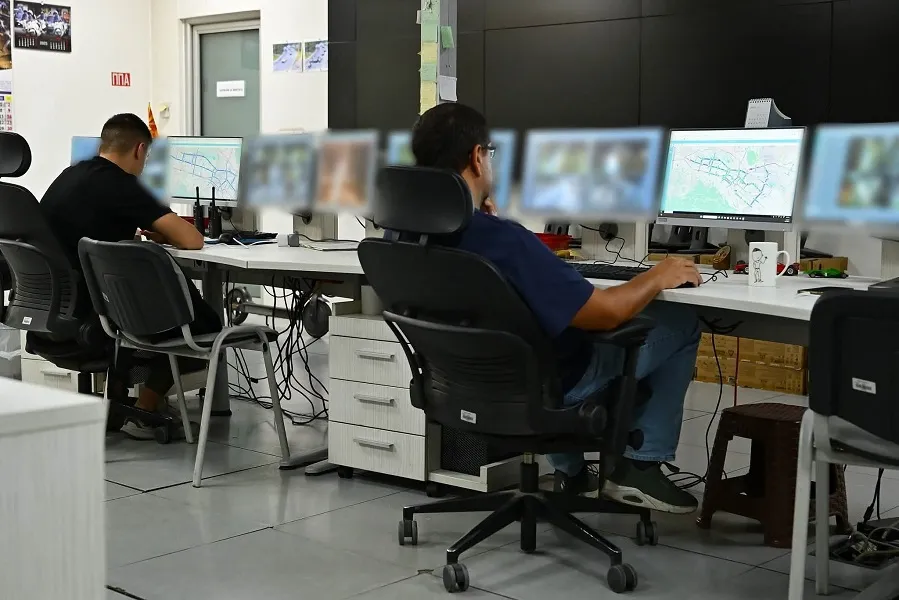
A fuel probe is not technology from the future, and a GPS unit is not an innovation. So the difference...
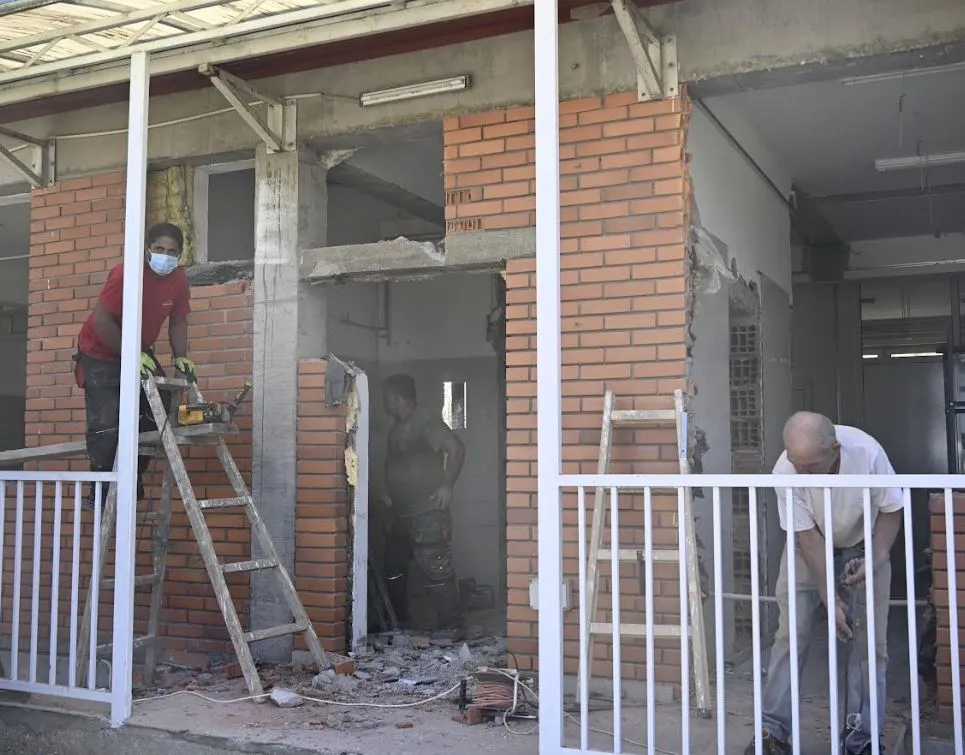
A solution that needs no new building and works faster than any investment. But 650 children in one facility is...
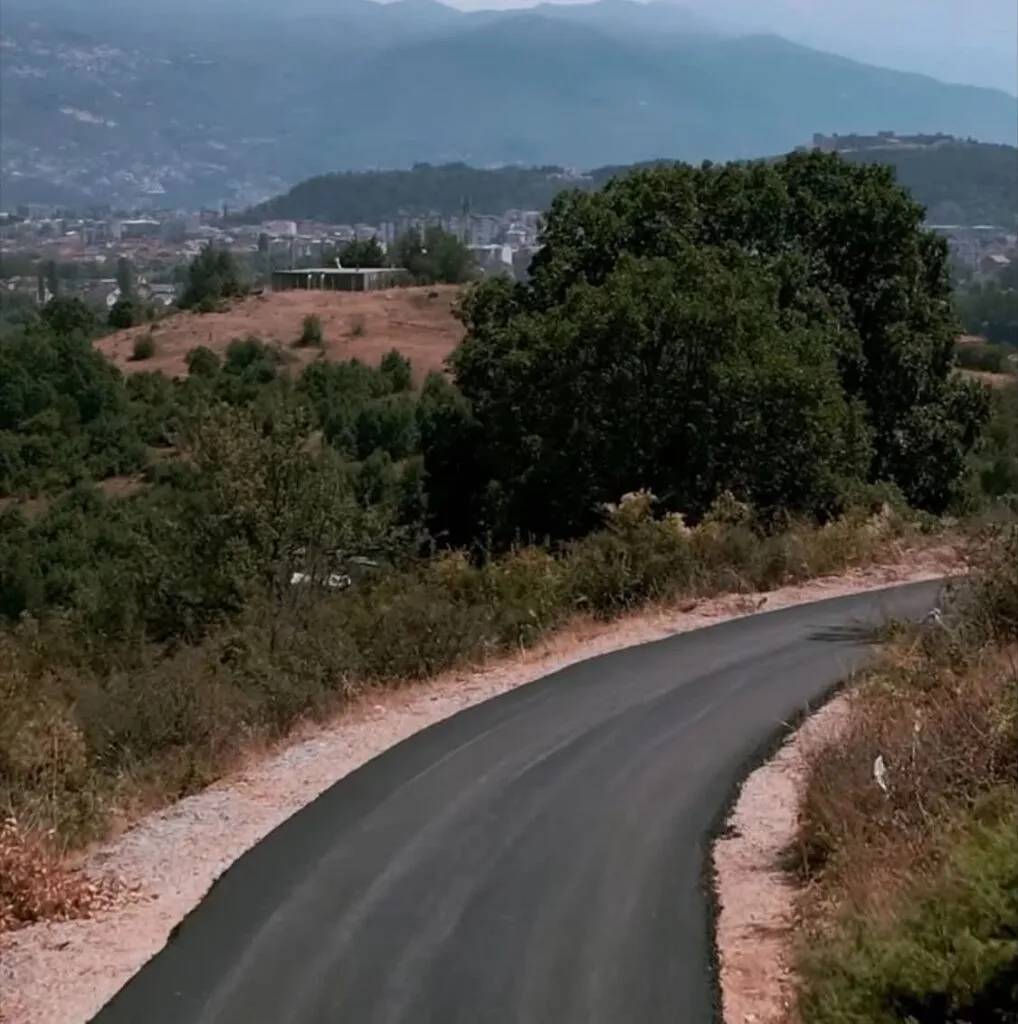
An access road in a village needs no expropriation, no tender, no study. If it took years, the reason was...
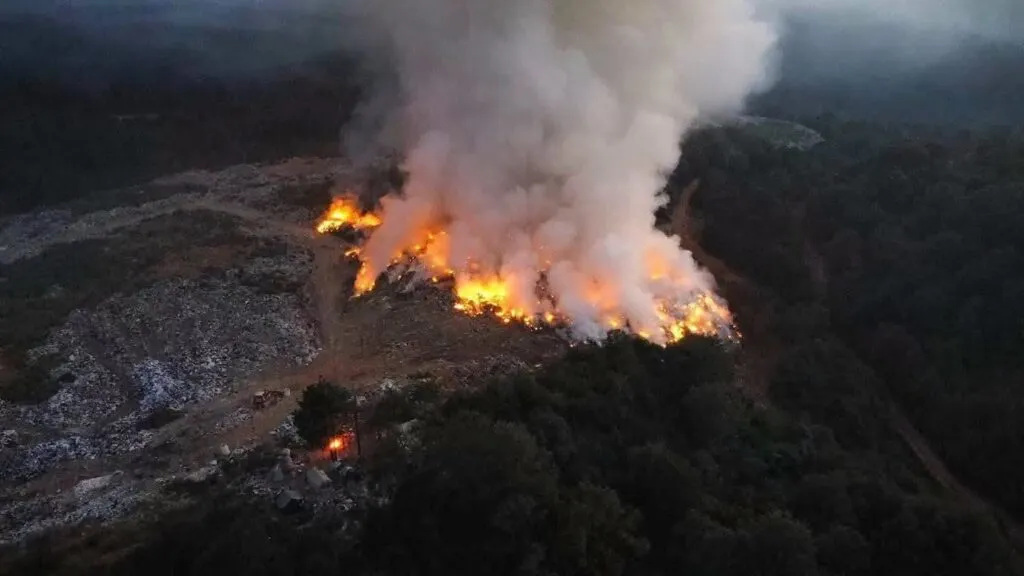
The institutions' answer to a burning landfill stays the same - more soil on top of the fire. Permanent closure...

An investigation opened two days after the Tetovo fire has ended with a finding of insufficient evidence. A closed case...

The city is counting treatments since 7 May, the opposition is counting patients. What is missing is an independent check...
This site uses cookies - is that okay? Learn more
Be the first to know when Metla launches something new
Leave your email and we will write when there is a new guide or something new on Metla.
