Smugglers Dragged a Police Officer With Their Vehicle at Blace: the Second Car Is What Tells You This Wasn't an Accident
14.09.2026


14.09.2026
14.09.2026
14.09.2026
14.09.2026
13.09.2026

12.09.2026

14.09.2026

14.09.2026

13.09.2026

14.09.2026

14.09.2026

14.09.2026

14.09.2026
13.09.2026

12.09.2026

14.09.2026

14.09.2026

14.09.2026

14.09.2026

14.09.2026

13.09.2026

09.03.2026

27.02.2026

19.02.2026

23.04.2026

23.04.2026

12.04.2026

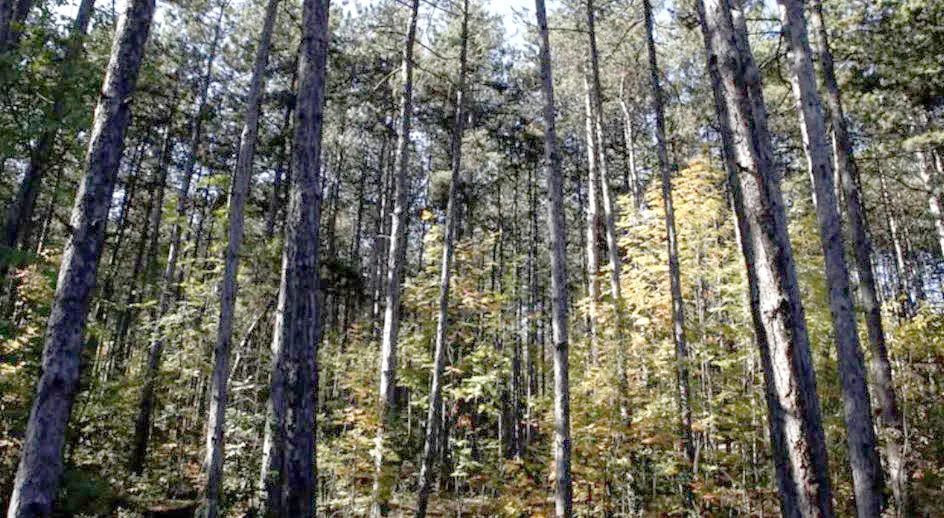
The public consultation on the draft Detailed Urban Plan for the Barutana site on Vodno closes today - the plan that provides for clearing forest to build dozens of two-storey houses. A petition against it has collected more than 1,500 signatures.
The former head of the State Commission for Prevention of Corruption and candidate for mayor of Centar municipality, Biljana Ivanovska, called the plan damaging and unacceptable. Her objection started with history.
"It would be good if the mayor learned the history of the city, particularly the period when the villages of Dolno and Gorno Vodno were resettled and the hill was forested so it would not flood the city", Ivanovska wrote, addressing Centar mayor Goran Gerasimovski.
The forest on Vodno is not scenery. It is infrastructure.
That is the point that turns the whole dispute on its head. Vodno was not forested by accident. The hill was planted precisely so it would stop carrying water down onto the city - people were moved out of two villages so that forest could exist. When part of that forest is cut, what is lost is not greenery. It is a function.
The petition states: "This plan creates the conditions for a future disaster in the form of landslides, erosion or flash flooding. No opinion on this plan was given by the Directorate for Protection and Rescue. There is no study for this plan and no measures on how to prevent erosion or landslides."
The plan they voted through without a hazard assessment
The chronology says the most. On 14 July 2026, councillors from VMRO-DPMNE and SDSM in the Centar municipal council jointly voted the plan through - even though the representative of the private planning firm that drafted it, "Bild urban", stated that the plan had not received an opinion from the Directorate for Protection and Rescue regarding the hazard. Councillors from "Chance for Centar", Levica and ZNAM voted against, along with one councillor each from SDSM and VMRO-DPMNE.
The explanation was that an opinion had been requested and no answer received, so the procedure continued because a plan may be prepared in the absence of a negative opinion. That is a legal reading in which an institution's silence counts as consent - on erosive terrain, above a city of half a million people.
The president of the Centar municipal council, Violeta Velkovska, offered the name of the site itself as her argument for the stability of the ground: "Barutana is stable, the very name Barutana tells you there was once a gunpowder store there, and a gunpowder store is built where there is no water inflow. There are no landslides there, no erosion." A toponym as geological expertise - that is a sentence that deserves to stay on the record.
Who pays for the plans
Architect and Levica councillor in the Skopje city council, Andrea Jankov, pointed to where the whole problem begins: "There is no public interest if the plan is financed by a private party who wants to build a building. It is incomprehensible that Centar municipality cannot set aside money to produce the plans itself. It takes 800,000 euros a year for this purpose, and the municipality has a budget of 20 million euros."
Eight hundred thousand out of twenty million. Four percent of the budget - for the municipality to decide for itself how building happens on its own territory, instead of that being paid for by whoever wants the permit. When the investor pays the planner, the plan answers the question the investor asked.
Mayor Gerasimovski did not turn up at the public hearing on 3 September - the slot clashed with a press conference about a music event. Neither did the councillors who voted the plan through. Skopje mayor Orce Gjorgjievski announced he would summon the relevant commission to examine the options for withdrawing it, stressing that he is against any construction on Vodno.
Once the consultation closes, a final version gets drawn up incorporating the accepted objections, and the plan goes back to a vote in the Centar council. Which objections get accepted - that will be the real answer to the question of whose interest is being defended.
The latest 10 news from this category
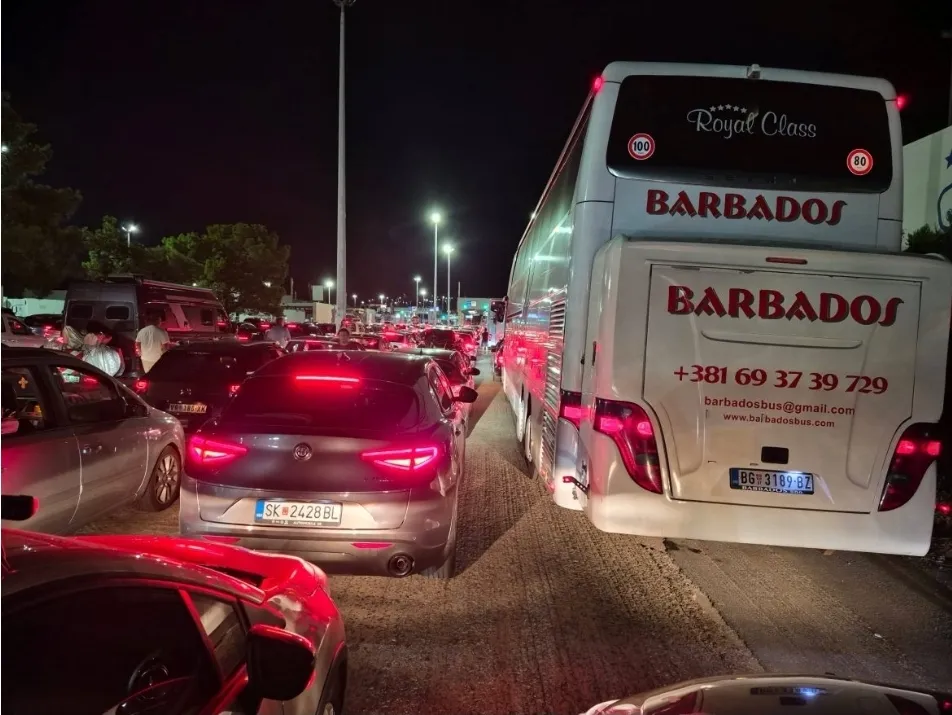
Travellers report three and a half to four hours of queuing on the way in from Greece. The state has...
Toshkovski showcased the fines, but the real figure is elsewhere - 96 road deaths last year, 61 this year in...
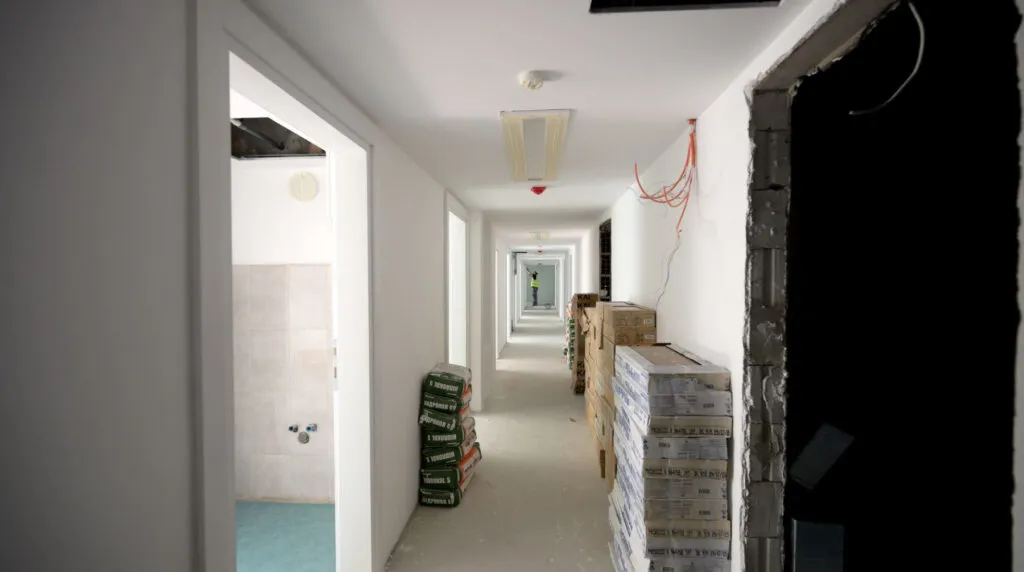
The state paid 120,000 euros purely because the money sat unspent in an account. A dormitory in central Skopje was...
The shutoff starts at nine in the morning, on a working day. The announcement says when it begins but not...
Nikoloski is announcing two new lines and new trains. But what separates infrastructure from a photo with a ribbon is...
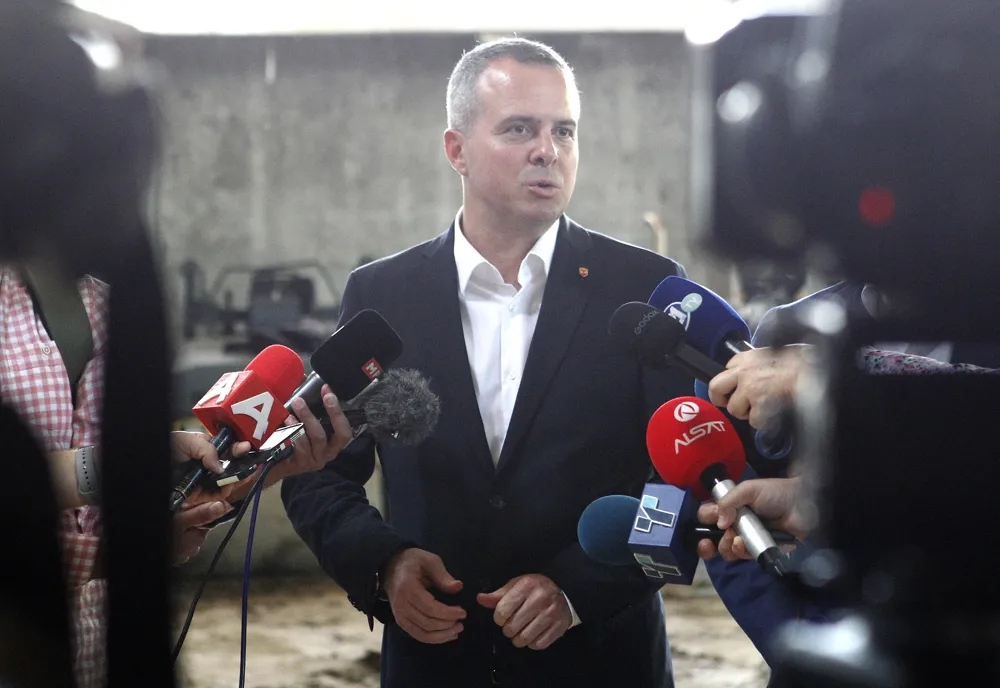
Ivanovska recalls why Vodno was forested in the first place. Gerasimovski says the court annulled the old plan and a...
Three Bulgarian ministries, MPs from different parties and flags inside the medical centre. MAEI asks why a check-up in a...
Flowers were laid in Bitola for Stefan Naumov and Dimitar Bogoevski. Behind the anniversary stand two biographies that ended at...
Eighty children do not simply appear out of nowhere. The question no ceremony answers is whether there are enough instruments...
When you buy honey from the man who tells you which village it came from, you bypass the entire trade...
This site uses cookies - is that okay? Learn more
Be the first to know when Metla launches something new
Leave your email and we will write when there is a new guide or something new on Metla.