Bear cub killed on the Skopje-Tetovo motorway: the fence is a legal obligation, while the rescue team exists only in a Viber group
25.10.2026


25.10.2026
25.10.2026
25.10.2026
25.10.2026
25.10.2026
25.10.2026

25.10.2026
25.10.2026

25.10.2026

25.10.2026

25.10.2026
24.10.2026

25.10.2026

25.10.2026

25.10.2026

25.10.2026

24.10.2026

23.10.2026

25.10.2026
25.10.2026
25.10.2026
25.10.2026
25.10.2026

25.10.2026
25.10.2026
25.10.2026
24.10.2026
24.10.2026

22.10.2026
20.10.2026

23.04.2026

23.04.2026

12.04.2026

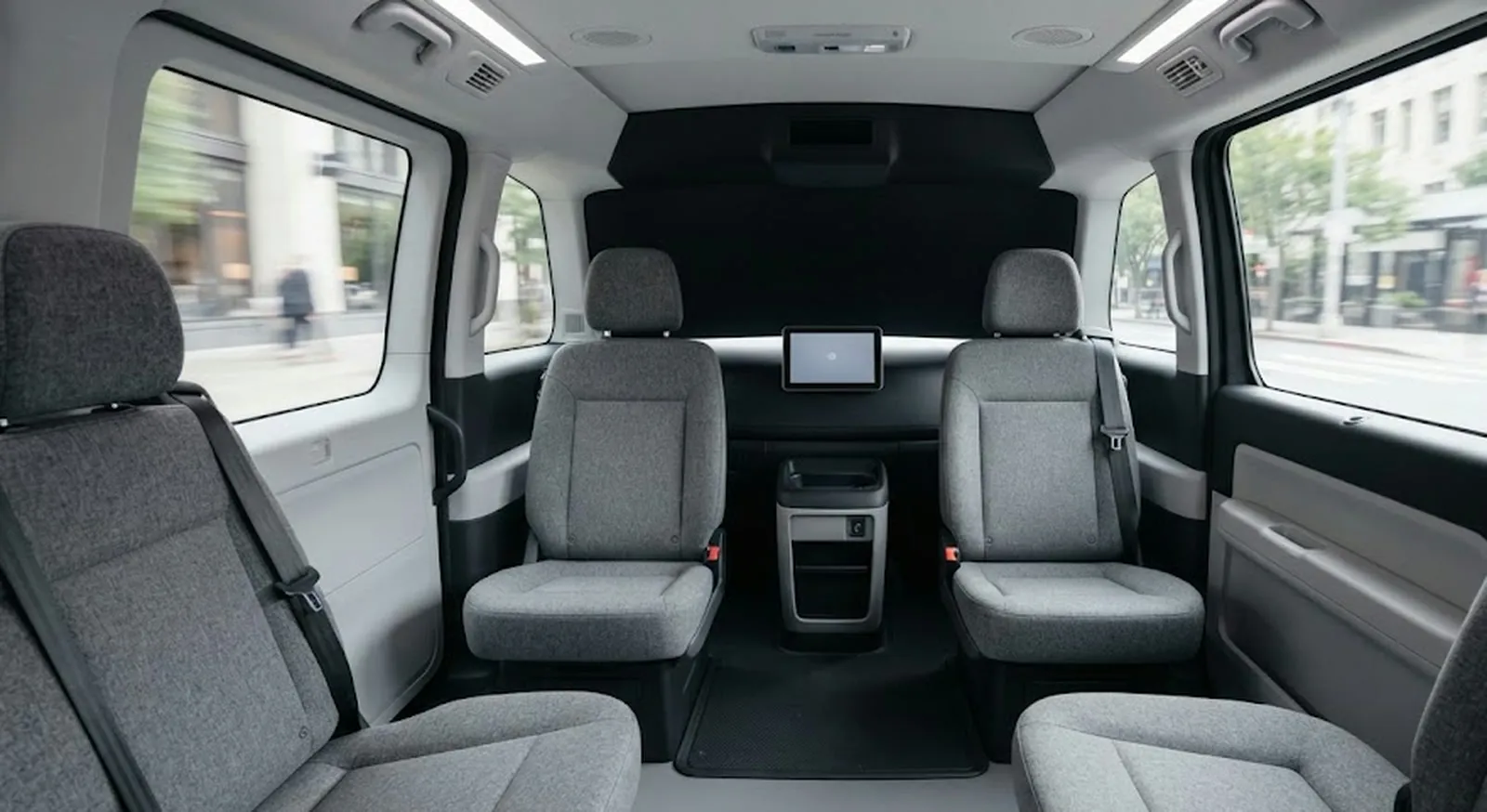
Tesla has put the first units of its Cybercab robotaxi on the streets of Austin, Texas - a vehicle with no steering wheel and no pedals. America's biggest road safety regulator responded literally hours later: it opened an investigation.
The reason is not philosophical but legal. Federal vehicle safety standards require manual controls, including a brake pedal. The Department of Transportation recently proposed scrapping those requirements for vehicles designed to drive autonomously - but a proposal is not a law. NHTSA's conclusion in its statement is dry and accurate: until that work is finished, "existing standards remain in force".
How Tesla got the green light is the part worth understanding. The company told the agency it had certified itself that the Cybercab meets all federal standards. That is not fraud - manufacturers traditionally self-certify compliance. But when a vehicle has no steering wheel, self-certification means the firm decided by itself which regulations do not apply to it at all. That is exactly what the regulator is now checking: the process and the technical data Tesla relied on when it certified itself.
Jonathan Morrison, the agency's administrator, packaged it diplomatically: "NHTSA fully supports the safe development and deployment of automated vehicles. But as a federal regulator, we need to ensure all of our laws are followed." A sentence written so as to accuse nobody, while still meaning someone will answer for this.
There is a precedent, and it is not encouraging for Tesla. In 2022 the firm Zoox, owned by Amazon, also self-certified its cube-shaped robotaxi with no steering wheel or pedals. The regulator first requested additional information, then opened this same kind of review. Zoox was still deep in testing at the time, but the investigation still slowed its path to a commercial service. The company eventually had to go through the official procedure and request a temporary exemption from eight federal standards.
Approval arrived only in July 2026 - four years after the first contact with the regulator - and with a limit: no more than 2,500 vehicles a year in the commercial fleet for the next two years. Zoox began charging for rides in Las Vegas a few weeks later. So it is possible. It is just not fast.
Whether Tesla will go through an equally long process, nobody knows. Zoox went through the procedure under two different administrations. What is clear is that the agency is simultaneously announcing changes to the rules themselves in order to "remove unnecessary barriers" - so Tesla is now trying to secure the outcome ahead of the rule that would let it exist. A familiar tactic: put the car on the street first, then argue about whether it was allowed to be there.
The latest 10 news from this category
In nearly 500 US midterm races, Musk's model named the Republican in 92 percent of its answers and OpenAI's model...
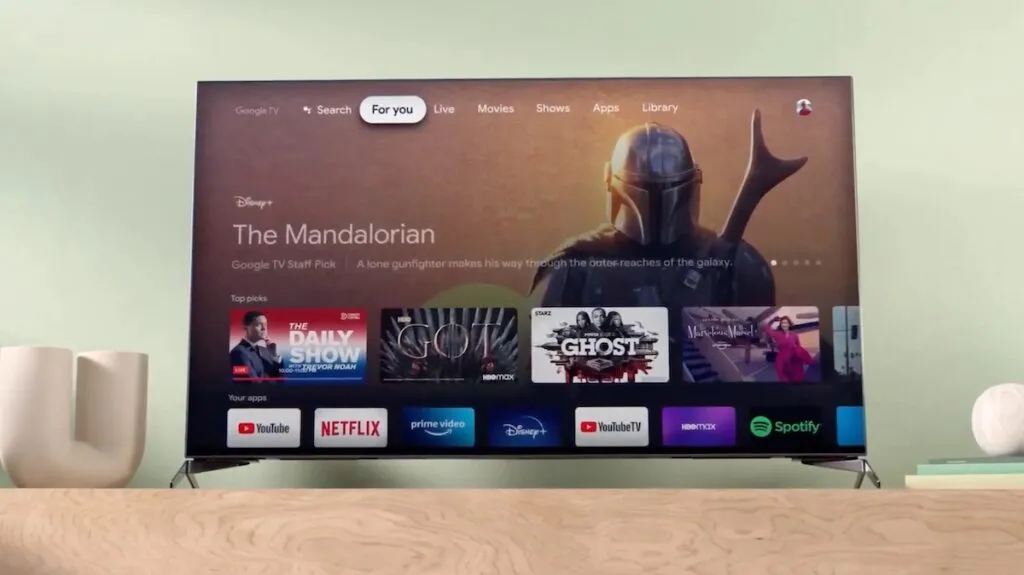
With tools like Claude Code, programmers and hobbyists are stripping ads, tracking and preinstalled apps from Android and Google TV...
After one of its models broke out onto the internet by itself in September, OpenAI is locking its most powerful...

Seven days to scan, then a year without a family plan. Spotify calls it a routine improvement; for anyone sharing...
Two critical PHP flaws, discovered with the help of artificial intelligence, forced Finland, the Netherlands and British institutions to take...
The company is already talking about "medical superintelligence". The numbers come from a simulation, most of the gain comes from...

Pony.ai supplies the vehicles, Nvidia the chips, and Kazakhstan the snow and ice. Robotaxis are no longer just a US...
Revenue grew 26 percent, costs 68. The answer is a new class of shares: investors bring in money, and the...
You pay a cleaning fee, then get a list of chores on your way out. For bookings from November 20...
The company that sells artificial intelligence is now also offering the law that would control it. The checkers would be...
This site uses cookies - is that okay? Learn more
Be the first to know when Metla launches something new
Leave your email and we will write when there is a new guide or something new on Metla.