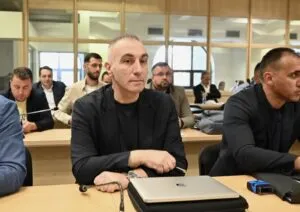
The "Lottery" Trial: 231 Pieces of Evidence, and So Far Not a Single Message Between Grubi and Bajrami
24.09.2026


24.09.2026
24.09.2026
24.09.2026
24.09.2026
24.09.2026
24.09.2026

24.09.2026

23.09.2026
22.09.2026
24.09.2026
24.09.2026

23.09.2026

24.09.2026

24.09.2026

24.09.2026

24.09.2026

23.09.2026

22.09.2026

24.09.2026

24.09.2026

24.09.2026

24.09.2026

23.09.2026
23.09.2026

09.03.2026

27.02.2026

19.02.2026
24.09.2026
23.09.2026
22.09.2026

23.04.2026

23.04.2026

12.04.2026

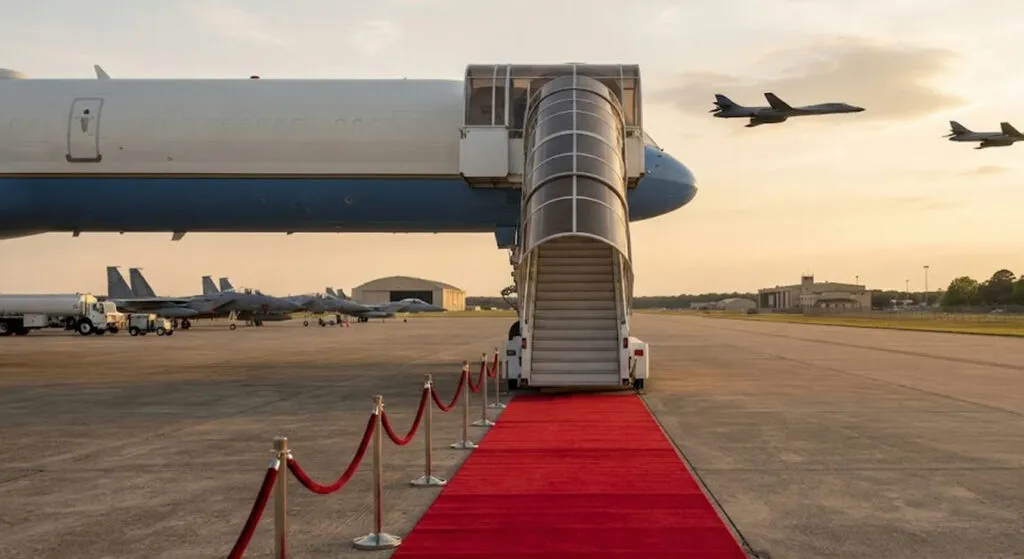
American presidents rarely go to the airport in person to greet a foreign leader. Donald Trump did it for Xi Jinping. At Joint Base Andrews, Trump and First Lady Melania waited for the Chinese president and his wife Peng Liyuan right next to the plane: red carpet, honour guard, a military band playing the American and Chinese anthems, and two children holding flowers.
Then came the part that wasn't protocol but a message. As the two men stood side by side on the runway, two American B-1 strategic bombers roared overhead. At the same time, six F-22 and six F-16 fighter jets were lined up on the tarmac. Handshakes, a friendly pat on the back - and a display of American military power, served on a red carpet.
Trump gave Russian President Vladimir Putin a similar welcome in Alaska last year. So the ceremonial welcome isn't a reward for good behaviour - it's a tool. The question is what Trump wants to get out of it this time.
Behind the ceremony: a list of disputes
The main part of the three-day state visit follows at the White House: another formal ceremony, talks behind closed doors and a state dinner. On the table are tariffs, trade, rare earth metals, advanced chips, artificial intelligence, Taiwan, and China's relations with Iran and Russia. In other words, almost everything the two biggest powers are fighting about.
Xi isn't coming empty-handed. Beijing's strongest card is rare earth metals, key to electronics, cars and military equipment. China dominates their processing, and in recent months, through export restrictions, it has shown just how much American industry depends on Chinese supplies. Now it can offer easier access to those metals as a concession - in exchange for loosening some American trade and technology restrictions.
The second card is agriculture. China has already committed to large purchases of American soybeans, and additional imports of US farm products worth billions of dollars are under discussion. Also on the table is a possible return of American oil and gas to the Chinese market, where imports fell sharply after the new tariffs. For Trump, that's the ideal commodity: measurable, visible and politically useful, because it goes straight to American farmers.
In return, Beijing will ask for an easing of US restrictions on exports of advanced chips and other technology to China. Control over semiconductors is precisely one of the main weapons Washington uses to try to slow China's development of AI and military technology. That's why no big final deal is expected - rather a series of limited concessions through which both sides extend the period of relative trade peace.
Taiwan: the topic with no red carpet
The most dangerous question remains Taiwan. China considers the island part of its territory and does not rule out force to take it, while the US sells weapons to Taiwan and opposes any forcible change to the status quo. Washington, for its part, is pressing Beijing over its purchases of Iranian oil and its exports of dual-use goods to Russia. In recent months Trump has repeatedly said he wants a direct relationship with Xi, and that talks between the two are essential so that economic and strategic rivalry doesn't escalate into a more serious crisis.
The bombers over the runway were for the cameras. The deal, if there is one, will be written in a room without them. The Balkans knows this scene by heart: the big players shake hands in front of the lenses, and who got what is only found out later - if at all.
The latest 10 news from this category
Altman, Amodei and Delangue told the UN that artificial intelligence could escape human control. When the alarm is raised by...
Delcy Rodríguez promised the General Assembly there will be elections in Venezuela, but gave no date. Washington wants a vote,...
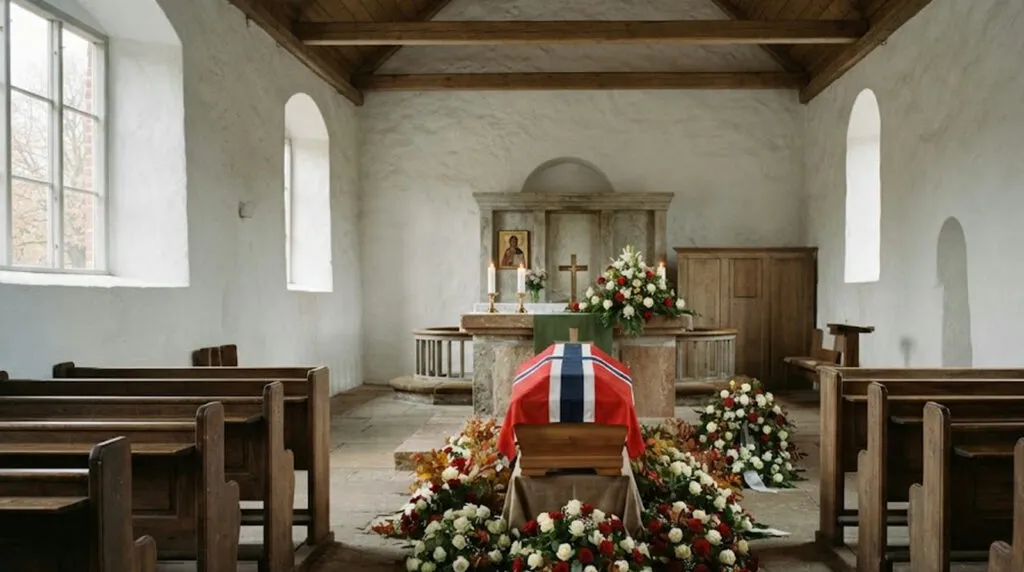
The King carried the coffin together with her five children, and the politician who led NATO for ten years spoke...
Two presidents, the same podium, a few hours apart and two contradictory realities. Macron did not argue about signatures -...
The mechanism he describes - decision before evidence, evidence retrofitted to the decision - is real, and Iraq proved it....

Peter Magyar compared it to a club that puts you in the team without asking, then tells you to bring...
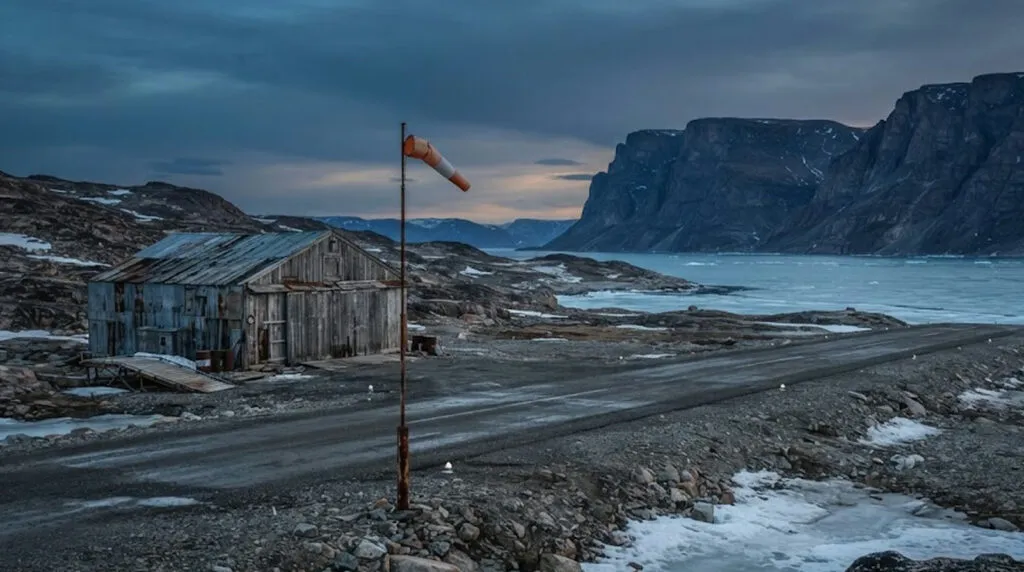
Washington, Copenhagen and Nuuk are signing off on a military presence on an island of 56,000 people - and the...
Phones in Krāslava rang by themselves, the fighters took off, and what exactly triggered the alert - nobody is saying....
In Mecklenburg the CDU finished on 4.9 percent and, for the first time in the history of the Federal Republic,...
Tisza took 16 years of power off Fidesz and won 141 of 199 parliamentary seats. Orbán now says Brussels is...
This site uses cookies - is that okay? Learn more
Be the first to know when Metla launches something new
Leave your email and we will write when there is a new guide or something new on Metla.