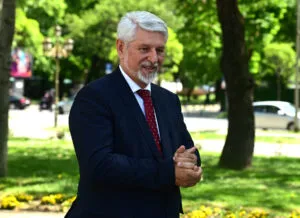
Нова кривична пријава за Јакимовски: одобрение за градба на план укинат уште во 2018 година
16.09.2026


16.09.2026
16.09.2026

16.09.2026
16.09.2026
16.09.2026
16.09.2026
16.09.2026
15.09.2026
14.09.2026

16.09.2026

16.09.2026

15.09.2026

16.09.2026

15.09.2026

14.09.2026

16.09.2026

16.09.2026

16.09.2026

09.03.2026

27.02.2026

19.02.2026

15.09.2026

14.09.2026

14.09.2026

23.04.2026

23.04.2026

12.04.2026

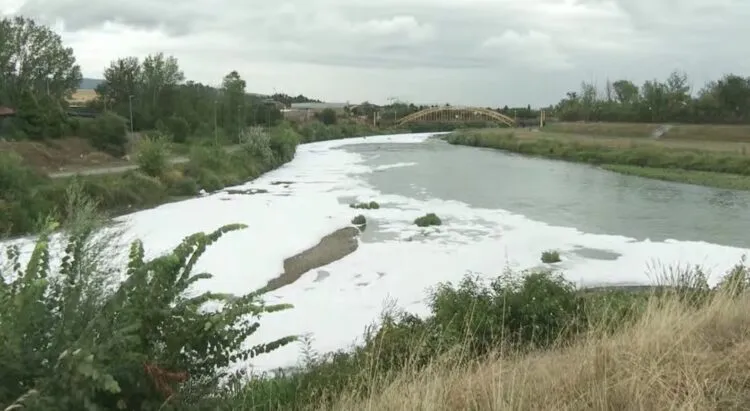
The white foam appeared on the afternoon of 24 July, in the Lepenec river near Zlokukjani, then spread through the Vardar and was visible from several points along the Skopje embankment. The report reached the 112 emergency system around 2:30pm. Seven days have passed since. We do not know who released it.
We know something else, but only unofficially: a chemical used in detergent manufacturing. The laboratory report by the public water utility is complete and has been submitted to the State Environmental Inspectorate and the relevant ministry. But the report has not been published, and the State Inspectorate is still waiting on the results of its own samples to compare them with the utility's findings.
What the official finding is, and what it isn't
The State Inspectorate announced it had carried out extraordinary inspections of the industrial operators in the zone that fall under state jurisdiction, and that no legal irregularities were recorded - the operators had acted in line with the terms of their environmental permits. A preliminary report from 29 July showed that the analysed physico-chemical parameters do not exceed the limit values for discharge into surface waters. The finalised report from an accredited laboratory is due on 4 August.
The Inspectorate adds one sentence worth reading carefully: water quality in that stretch was influenced by multiple factors - municipal and stormwater runoff, plus the activity of numerous businesses in the surrounding area. That is true. It is also the most efficient way to distribute a single responsibility across so many possible sources that in the end it lands on nobody.
The drone that flew, the culprit who isn't there
Within the first hour of the foam appearing, city services were on site using a drone to track the pollution's path and pinpoint where the substance had been released. Mayor Orce Gjorgjievski said at the time that he expected the source to be identified quickly and that there would be no tolerance if responsibility were established.
Seven days later there is no public statement that the drone, the field inspections or the checks on operators along the Lepenec led to identifying the polluter. Nor has it been disclosed which operators were checked, whether their drainage systems and environmental permits were examined, or whether irregularities were found at any of them.
Here is the crucial distinction institutions rarely explain: determining the type of pollution and identifying the perpetrator are two entirely different stages. A lab result can say what substance was in the water. To establish responsibility, you have to link the composition, the timing and the location of the discharge to a specific production process, channel or outflow. The first is chemistry. The second is an investigation - and that is the one with no result so far.
The drinking water is safe. The river is a different question.
The public water utility assures that the water citizens receive is safe. On 30 July, 42 samples were taken from the water network, four of them from the Nerezi-Lepenec well field, and all complied with the regulations on drinking water safety and quality. On 27 July, 39 samples were analysed, including one from the Lepenec well field, and all met the criteria.
That matters and it is good that it is so, particularly given the proximity of the Nerezi-Lepenec well system that forms part of Skopje's water supply. But the safety of the mains network does not mean the river is clean. Those are two different systems and two different sets of measurements. Fish, aquatic organisms and sediment do not drink from a tap.
The civic initiative „Green Humane City“ demanded the immediate publication of results and rigorous sanctioning of those responsible, arguing that the recurrence of such incidents points to insufficient oversight of industrial facilities and the absence of any early pollution detection system. That demand is aimed at exactly the right place: not only what was in the water, but why nobody noticed while it was flowing in.
The final report arrives on 4 August. The question worth waiting for then is not whether the parameters are within permitted limits - we have heard that already. The question is whether anyone will be held to account, or whether „multiple different factors“ will remain the only culprit.
The latest 10 news from this category

Светска банка отпадна поради неусогласеност со барањата на ЕУ. Градбата ќе трае две и пол години, а опремата се набавува...
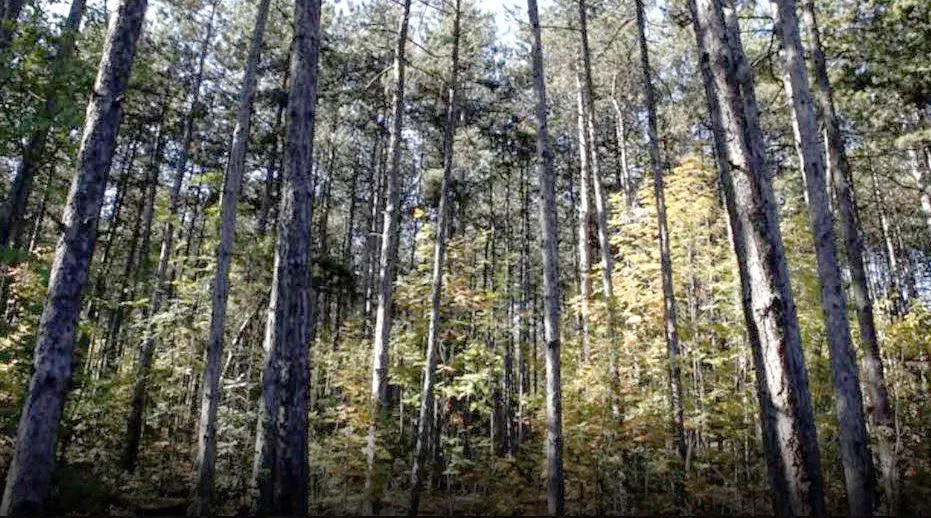
Од 9.500 квадрати зеленило остануваат 268. Терен со висинска разлика од 80 метри, без студија за ерозија и без мислење...
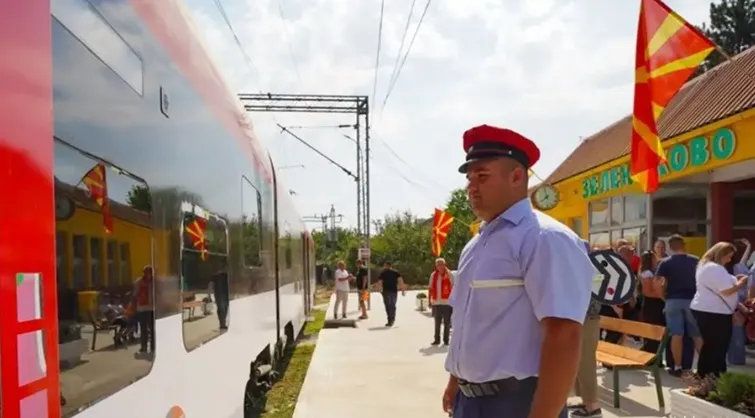
Ѓорѓиевски вели дека системот ќе биде готов до средината на следната година. Тендерот за БРТ се најавува деновиве, а градбата...
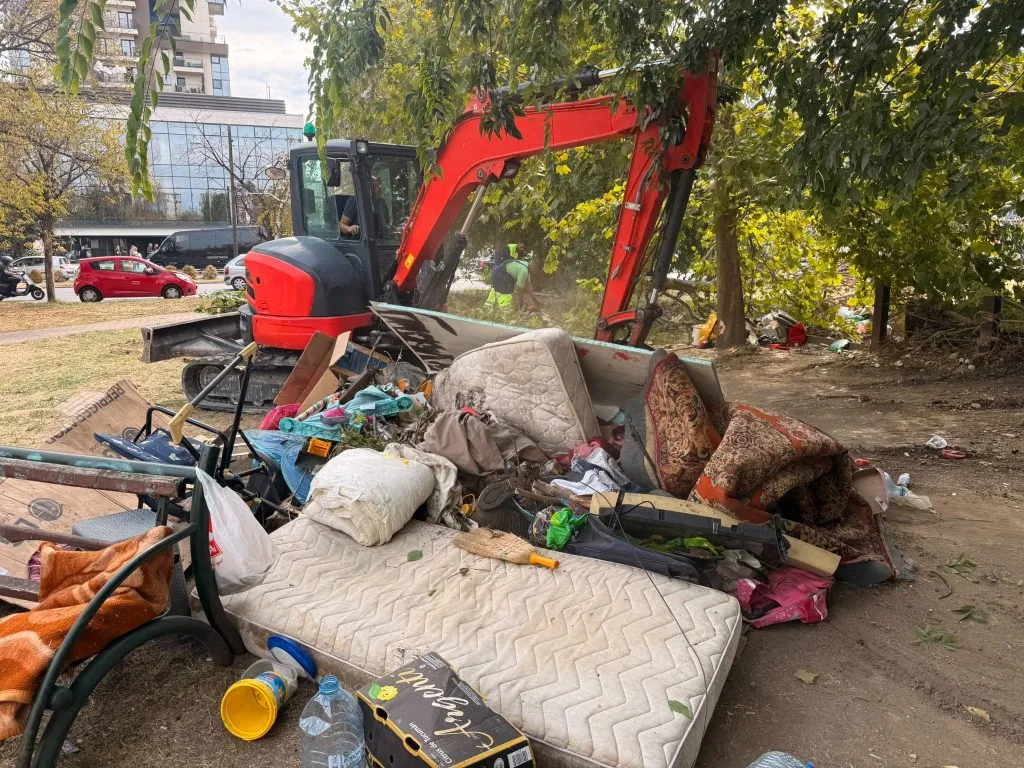
Втора акција на истата локација за една година. Герасимовски и самиот апелира до Министерството за труд - затоа што расчистувањето...
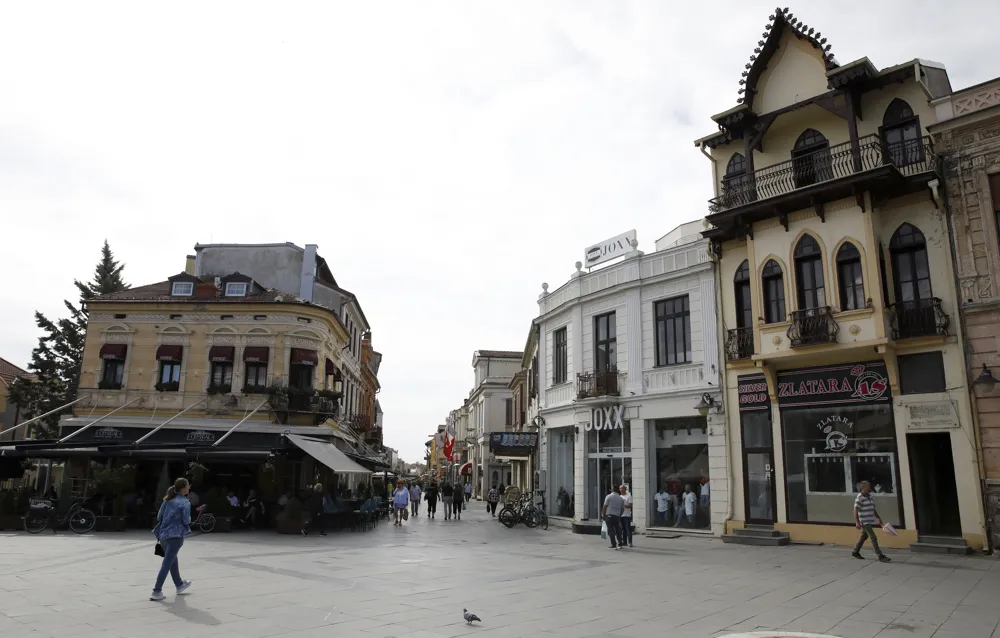
Просумер, соларна печка и струја од велосипед на плоштадот Магнолија. Градот што со децении ја плаќа цената на јагленот гледа...
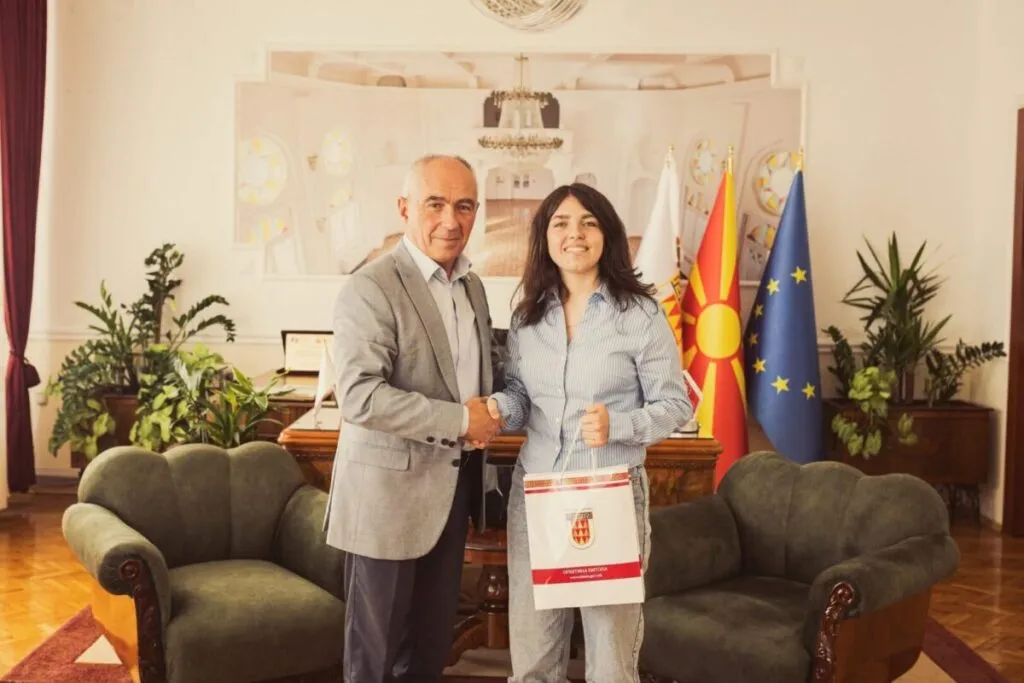
Стефанија Димовска освои две медали на IESO 2026, работејќи во мешани меѓународни тимови. Пред тоа беше и државен шампион по...
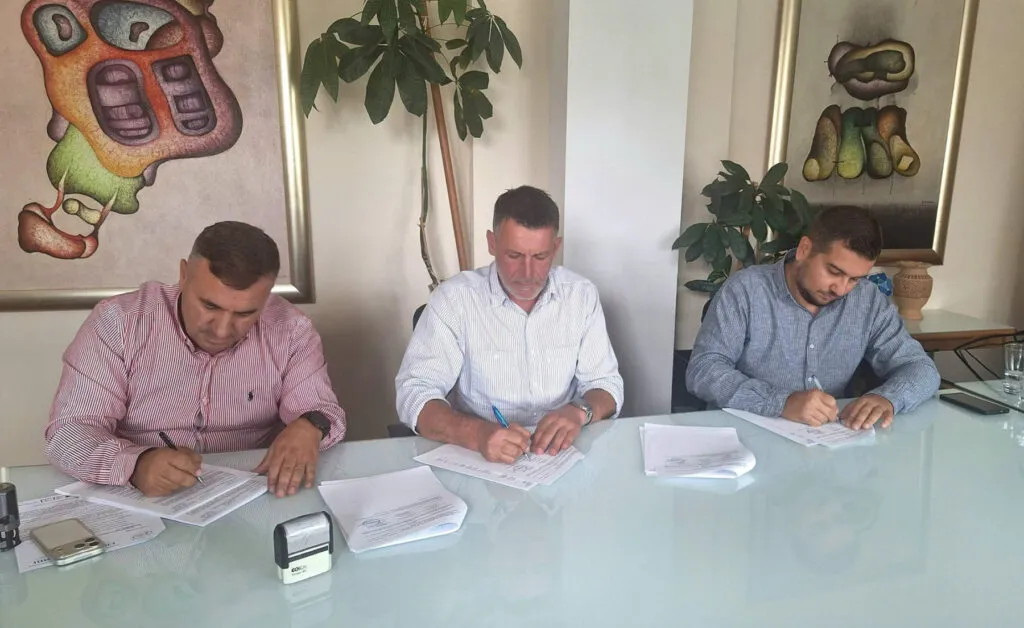
Од близу 4,7 милиони денари, општината става околу 180.000. Остатокот доаѓа преку Бирото за рамномерен регионален развој - и токму...
Ten years working inside the health system - and she still had to pull strings to be admitted. The clinic...
Appeals run from 15 to 25 September. There is not enough space at Goce Delčev, so students go to Stiv...
From 23:00 to 05:00 there is no getting through towards Evzoni. Towards Halkidiki - business as usual. Those heading on...
This site uses cookies - is that okay? Learn more
Be the first to know when Metla launches something new
Leave your email and we will write when there is a new guide or something new on Metla.