

Studeničani: 35-year-old dies after being electrocuted while washing his car with a pressure washer
18.09.2026


18.09.2026
18.09.2026

18.09.2026

18.09.2026

18.09.2026
18.09.2026
18.09.2026

17.09.2026
16.09.2026

18.09.2026

18.09.2026

17.09.2026

18.09.2026

18.09.2026

18.09.2026
18.09.2026

17.09.2026

16.09.2026
18.09.2026

18.09.2026
18.09.2026

18.09.2026

17.09.2026

17.09.2026

09.03.2026

27.02.2026

19.02.2026

18.09.2026
17.09.2026
16.09.2026

23.04.2026

23.04.2026

12.04.2026

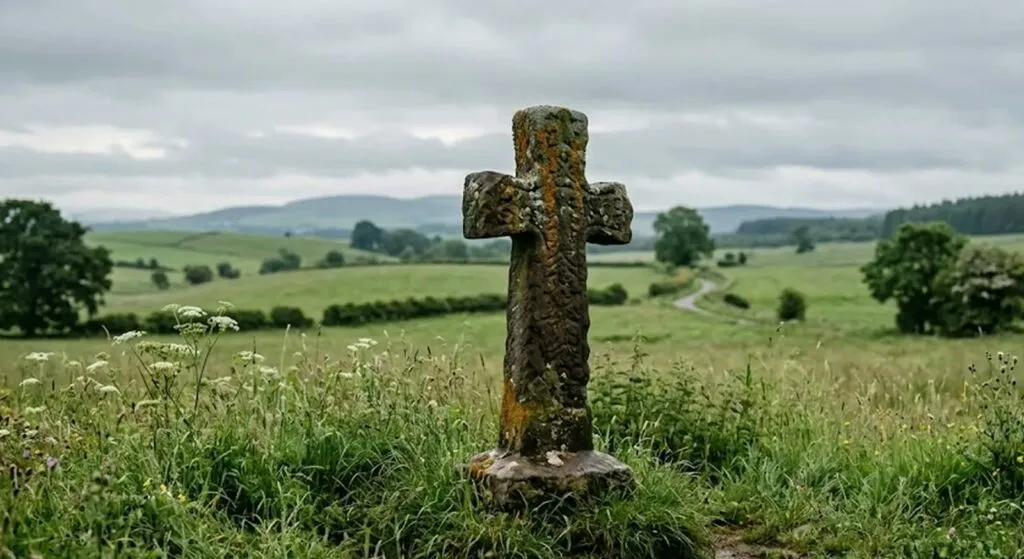
May 1945. The Third Reich falls. Thousands of soldiers, civilians and political opponents - mostly Croats, but also Serbs, Slovenes and Macedonians - flee towards Austria, trying to surrender to British forces. The British hand them over to the Yugoslav partisans. What followed is one of the largest mass killings in European history after the Second World War. And for 45 years after the war ended, you weren't allowed to speak about it.
Historians estimate between 45,000 and 70,000 killed. The exact number will remain unknown, because the documentation is incomplete and many graves are still undiscovered. Even what we do know is horrifying: Tezno near Maribor - over 15,000 victims. Kočevski Rog - up to 12,000. Celje - over 4,000. Huda Jama - 1,400. Macelj - 1,100. And those are just the largest known sites.
A technical point that has to be made: the mass killings did not happen at Bleiburg itself. That was the surrender point. The killings came later, during a forced repatriation across Yugoslavia. People were driven in columns, many on foot, without food or water. Anyone who fell - was killed or left to die. Anyone who arrived - was often killed not at any single specific site, but through a series of improvised extermination operations.
For socialist Yugoslavia, the subject of Bleiburg was simple: it did not exist. What happened in May 1945 was „liberation”, and that sentence allowed no additions. Anyone who tried to talk about losses on the other side was treated as a political enemy. That created a decades-long hole in collective memory - a hole that opened up after 1991 with all of the suppressed trauma and all of the partial truths.
The Balkans understand this - perhaps better than anyone. Every country in this part of the world has its own Bleiburg. The Serbs driven out of Croatia in 1995. The Bosniaks at Srebrenica in 1995. The Kosovars in 1999. Each of these events has different responsibilities and different contexts, but the structural mistake is the same - when power is concentrated on one side, that same side gets to decide what is history and what is forgotten.
Today, Croatia holds a Bleiburg commemoration every year. Serbia holds commemorations for other victims. Bosnia for others. Macedonia for almost no one - but we have our own lists waiting to be opened. The collaborators of 1944. The victims of the political show trials of 1948-1949. The prisoners of Idrizovo and Goli Otok. We still wonder whether we are allowed to speak openly - and that is the greatest proof that Yugoslavia still lives in our heads, even though physically it has been gone for 35 years.
The figure of 45,000-70,000 matters not as a comparison - every death carries equal weight - but as a reminder of what happens when one state decides it can unilaterally choose its own victims and its own liberators. Without due process. Without a document. Without a name. And yet, after so many years, we are still trying to give them names. That is the work no state can finish - it falls to people who love truth more than power.
The latest 10 news from this category
The call was about damaged furniture on a terrace. Armin Dzutovic died three days later. The internal investigation found first...
Four KLA leaders received 81 years in prison, and Albania's parliament immediately adopted a declaration calling the verdict unjust. The...
The court established responsibility for 96 killed, 303 tortured and 385 unlawfully detained. The prosecution asked for 45 years. Serbia...
Thaci and Krasniqi got 25 years each, Veseli 18, Selimi 13. The court established 385 unlawfully detained, 303 tortured and...
"If it is acceptable to the participants" - that is the entire offer. What gets negotiated is the format, not...
Thousands walked from the Rectorate to the electoral commission, and the signatures had to be queued for all weekend because...
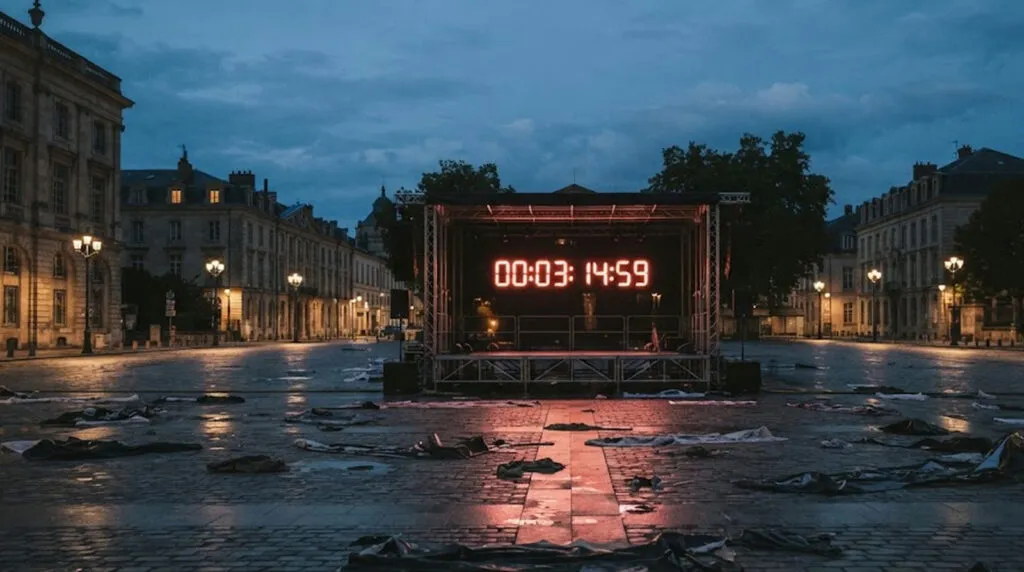
Thousands of people under a digital clock and a banner asking for them to be found innocent. On Wednesday The...
The ruling list sailed through without a single problem, the student list was left waiting in line. Nobody banned anything...
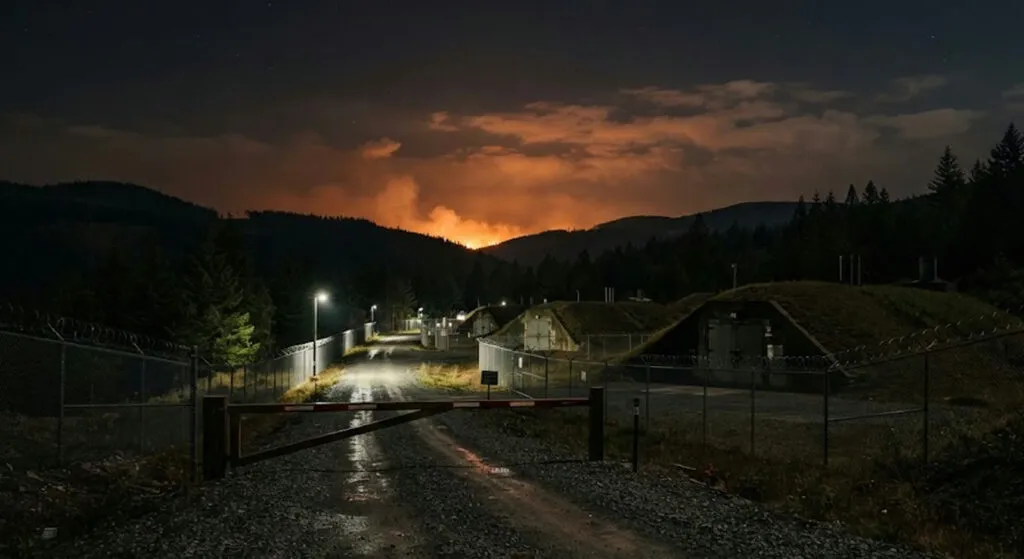
The same firm that supplied ammunition to Ukraine for years is burning for the second time in a month. Seven...
A third attempt in three years, but this time the signatures came from the government benches too. Six MPs from...
This site uses cookies - is that okay? Learn more
Be the first to know when Metla launches something new
Leave your email and we will write when there is a new guide or something new on Metla.
