
The defence in the Puls case has called 244 witnesses, and the nightclub owner's detention runs out on Saturday
01.10.2026


01.10.2026

01.10.2026

01.10.2026

01.10.2026
01.10.2026
01.10.2026

01.10.2026

30.09.2026

29.09.2026

01.10.2026

01.10.2026

30.09.2026

01.10.2026
01.10.2026

01.10.2026

01.10.2026

30.09.2026

29.09.2026

01.10.2026

01.10.2026

01.10.2026

01.10.2026

01.10.2026

01.10.2026

09.03.2026

27.02.2026

19.02.2026

01.10.2026

01.10.2026

30.09.2026

23.04.2026

23.04.2026

12.04.2026

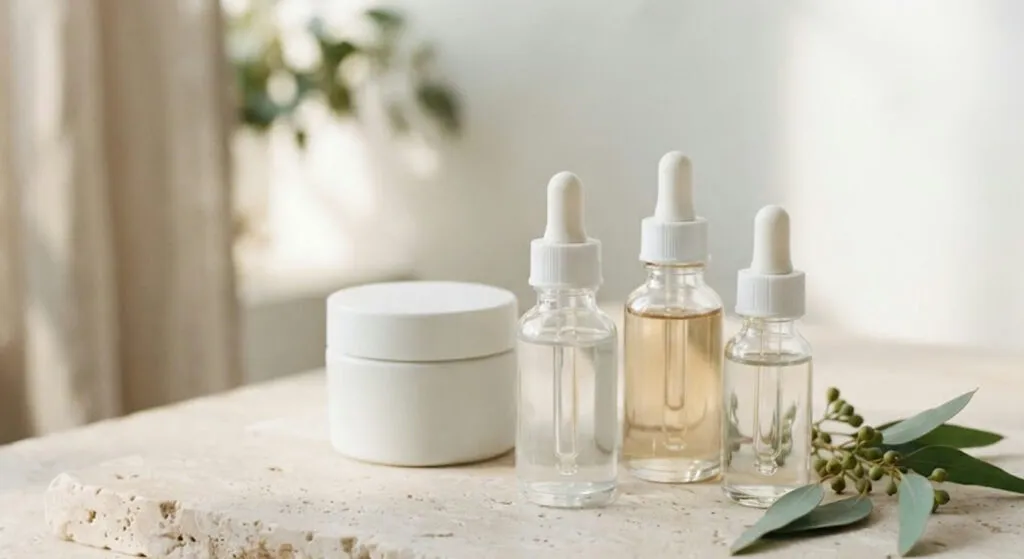
Korean "glass skin" - skin so smooth it is almost translucent, like glass - was the holy grail of the beauty industry for years. So popular that it moved from faces to hair, in the mirror-effect hair trend. But the throne is wobbling. The new term is "bloom skin", and the difference is not just the name.
"Glass skin was after a mirror effect, smooth, almost translucent skin, which was achieved with routines of many layers of products. Bloom skin is after a glow that comes from within - from hydrated skin with a strong protective barrier and an even tone. A healthy look, not an artificially polished finish that usually came from the last product on the face being shiny," explains Dr. Rita Seco, an aesthetic doctor with a clinic in Porto and a practice in Madrid.
The reasons for the shift are practical. Experts warn that extreme shine is very hard to photograph, so they do not recommend it for important events. And the time glass skin demands is off-putting in itself. "Bloom skin is gaining ground now because people quickly realised that ten-step routines and aggressive active ingredients are ineffective, and sometimes even harmful to the skin," says Seco. The irony is lovely: the same industry that pushed ten-step routines for years is now selling minimalism.
The new direction, she says, is "a return to the essentials: fewer products, chosen with more judgement, and a focus on skin health instead of an instant and purely superficial glow effect".
The six active ingredients
Seco picks out six ingredients for a healthy, natural glow - noting that it is the whole formula that counts, not the number of products:
"It's a mistake to think that the more active ingredients, the better. The right combination, tailored to each skin type, is worth more than ten products applied at random just because we saw them on TikTok," says Seco. Her advice is a short routine: gentle cleansing, a ceramide cream, daily sun protection and, at night, a serum with one functional active ingredient. "That's enough for most skin types. Adding more rarely brings more glow, and it raises the risk of irritation."
Of all the habits, sleep has the biggest impact, "because it is precisely at night that the skin repairs itself and regulates the barrier, and you see that directly in how you look the next day". Seco also makes an important distinction: oily skin reflects light unevenly, healthy skin evenly. "Real glow doesn't mean an oily shine on the T-zone."
Her final line deserves to be on every shelf in every pharmacy and perfumery: "Glow isn't applied, it's built - it is the result of a healthy barrier, not of a single isolated product." For anyone with a drawer full of half-empty serums, this may be the cheapest beauty advice of the year.
The latest 10 news from this category

The most expensive dress isn't the newest one, it's the one you can no longer buy. Hailey Bieber wore archival...

The first Romanov wedding in Russia since 1918, with 1,500 guests and the former Bulgarian tsar Simeon among them. Five...

An old man with worry beads outside a café and a Paris runway have more in common than you'd think....
A curl isn't a mistake that needs fixing, it's a hair type that is dry by nature. Five steps from...
From a Cartier necklace with a 167.97-carat emerald to the engagement ring chosen by Jackie Kennedy's father-in-law: how the liars'...

A white Rubik's cube in the invitation, Giorgio Armani's face on one of the looks and the eighties in every...
Behind a man's "I don't care" there's sometimes a lot more going on. And dermatologists add: 50 to 100 hairs...

A small cake just for the two of them, her grandmother's recipe on the menu and a barefoot dance with...

The gold embroidery, the star of the Order of the Elephant and the Danish queen's blue sash aren't fashion details....

The machine spots changes, but it doesn't diagnose. That's why the check that photographs every mole isn't for everyone -...
This site uses cookies - is that okay? Learn more
Be the first to know when Metla launches something new
Leave your email and we will write when there is a new guide or something new on Metla.