

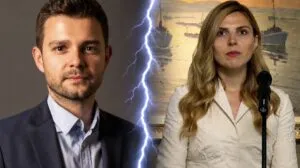
The Mihailova Case Goes to NATO: Mickoski Blames Sofia, and the Interior Ministry Still Hasn't Explained How She Crossed the Border
17.10.2026


17.10.2026
17.10.2026
17.10.2026
17.10.2026
17.10.2026
17.10.2026
17.10.2026
17.10.2026

16.10.2026

17.10.2026
17.10.2026

16.10.2026
17.10.2026

17.10.2026
17.10.2026

17.10.2026

16.10.2026

15.10.2026

17.10.2026

17.10.2026
17.10.2026
17.10.2026
17.10.2026

17.10.2026

17.10.2026

16.10.2026

15.10.2026
17.10.2026

15.10.2026

13.10.2026

23.04.2026

23.04.2026

12.04.2026

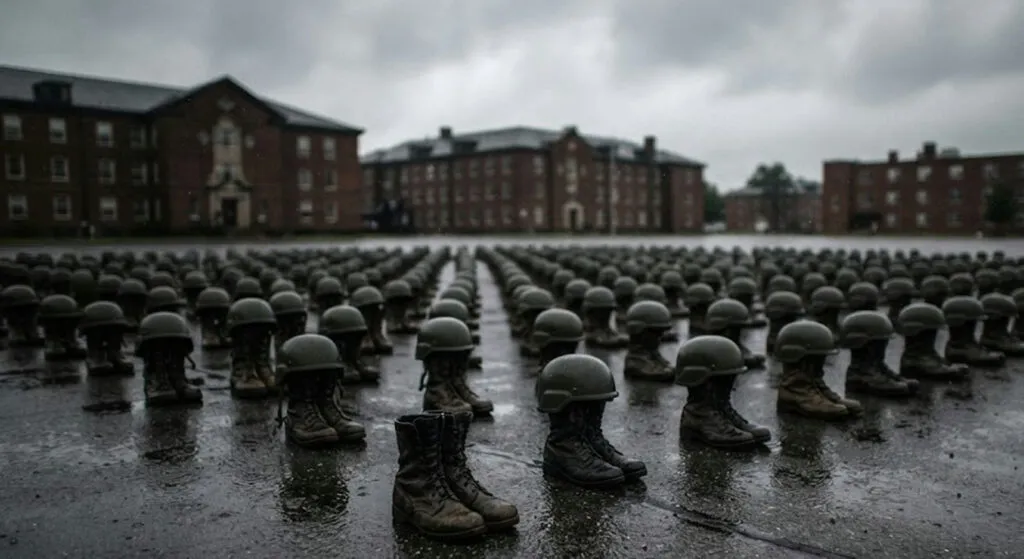
"You may not have been aware, but our country is going to need your help." With this sentence General Roly Walker, Chief of the General Staff of the British Army, addressed around 700 soldiers at Catterick Garrison in North Yorkshire. The footage was captured by British Forces Broadcasting Service BFBS, and his remarks were reported by Sky News.
The message wasn't just for the soldiers. Walker announced that the UK's political leaders will "very soon" start an open conversation with the public about what is happening and where the risks lie - and will try to explain that they have to accept sacrifices so that defence and security get priority. "Then they will ask those citizens, for whom defence is probably not a priority, to take on their own share of responsibility for the defence and security of this country. That means they too will have to make certain sacrifices," the general said.
The general said more than it seems at first glance. "There was a time when our country didn't even want to think that its soldiers would have to take part in a war," he told the troops. Past tense. When the top military officer of a nuclear power talks like this in front of a camera, it's hardly improvisation. It looks more like preparing the public.
The irony is that politicians haven't been in a hurry so far. Prime Minister Andy Burnham inherited the promise of a national debate on defence from his predecessor Keir Starmer, and that promise was made more than 18 months ago. Also waiting in the drawer is a campaign meant to encourage every household to prepare better for crises, from floods and droughts to armed conflict. The plan was inherited from the previous government - and still hasn't been implemented.
The Balkans know this vocabulary. Here "sacrifices for defence" were never an abstract phrase from a speech, but something entire generations paid for at home. That's why the question is bigger than London: if a British general has to prepare citizens in advance, is Europe, which for decades lived in the belief that war was a thing of the past, even ready for that conversation?
The latest 10 news from this category
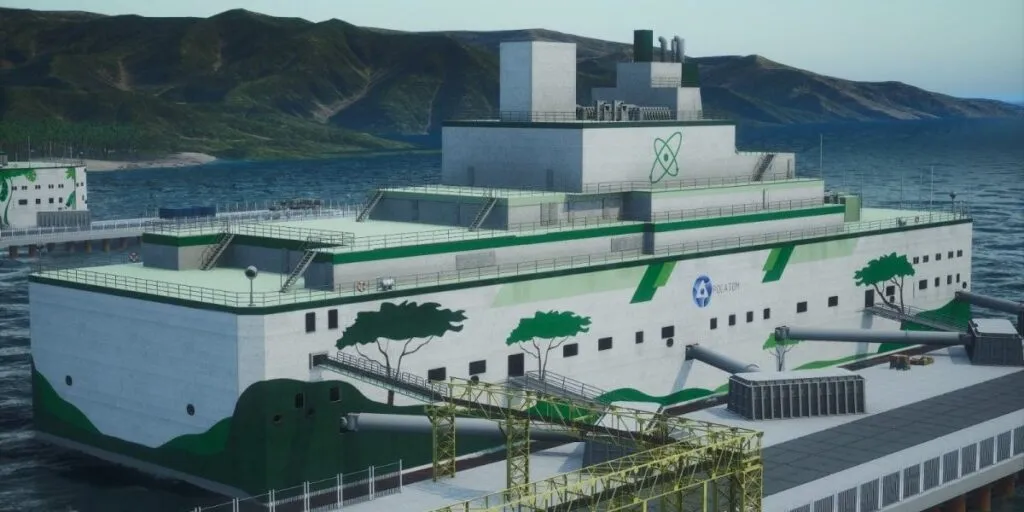
Moscow is selling it as the "deal of the century", but the power will flow at the earliest five years...
Zaluzhnyi is trusted by 64 percent of respondents, Zelensky by 53 percent - but in a hypothetical first round Zelensky...
Najmeh Amini was arrested at the January protests and has now been sentenced to death over a single post. More...
The law is signed, the deadline is October 18, and nobody in Washington is preparing the sanctions. It seems that...
A routine check-up, 90 minutes on the operating table and the word "adenocarcinoma" said out loud. How many Balkan governments...
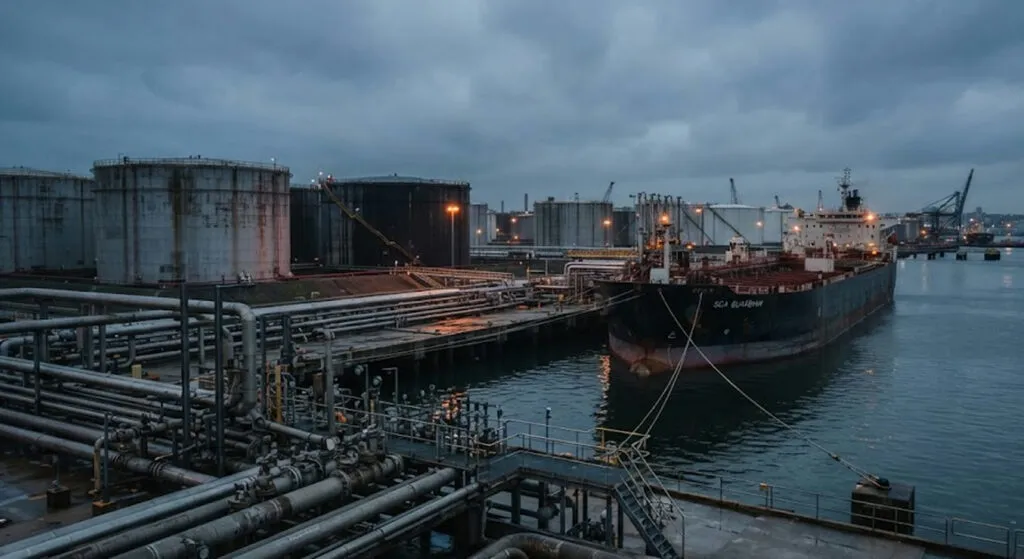
More than 1,600 new names on Europe's blacklist, against 4.8 million tonnes of Russian diesel that Trump is letting onto...
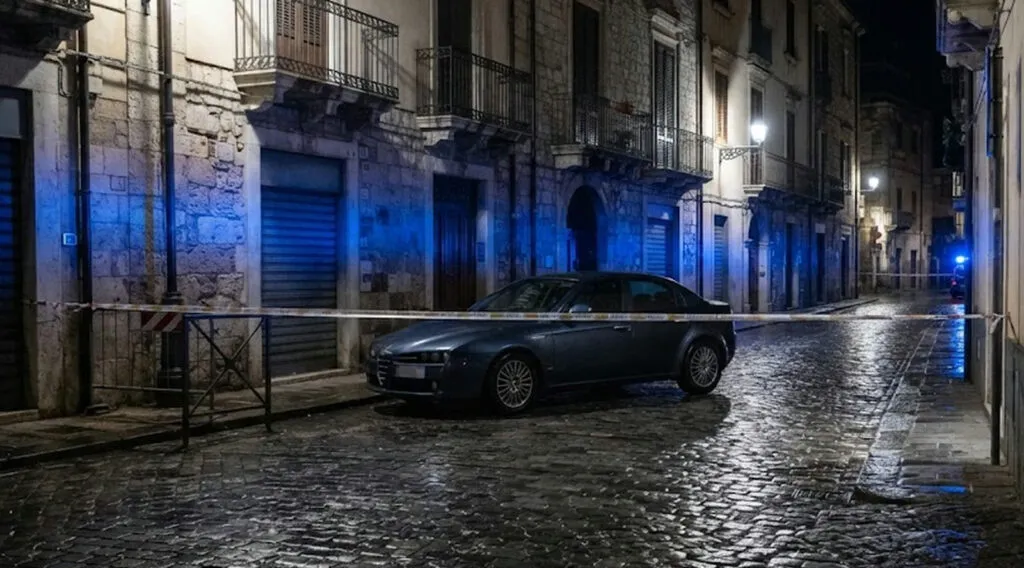
One person killed next to the European Parliament building, a police officer shot in the head in the suburb of...

All of Austria, Luxembourg and chunks of ten more countries, posted on German Unity Day. The Balkans know that maps...
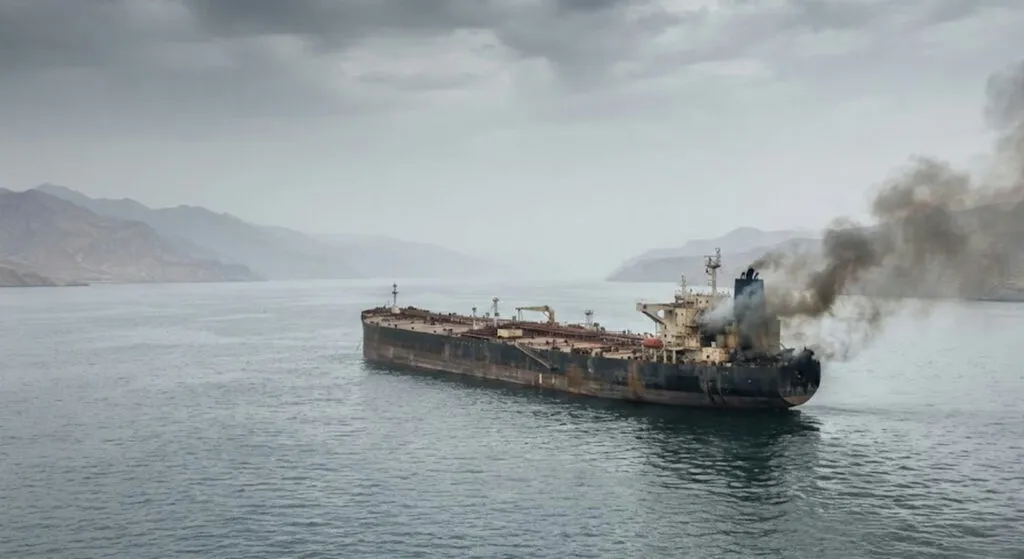
Tehran treats any ship with its identification system switched off as hostile, while Washington boasts of four ships disabled and...
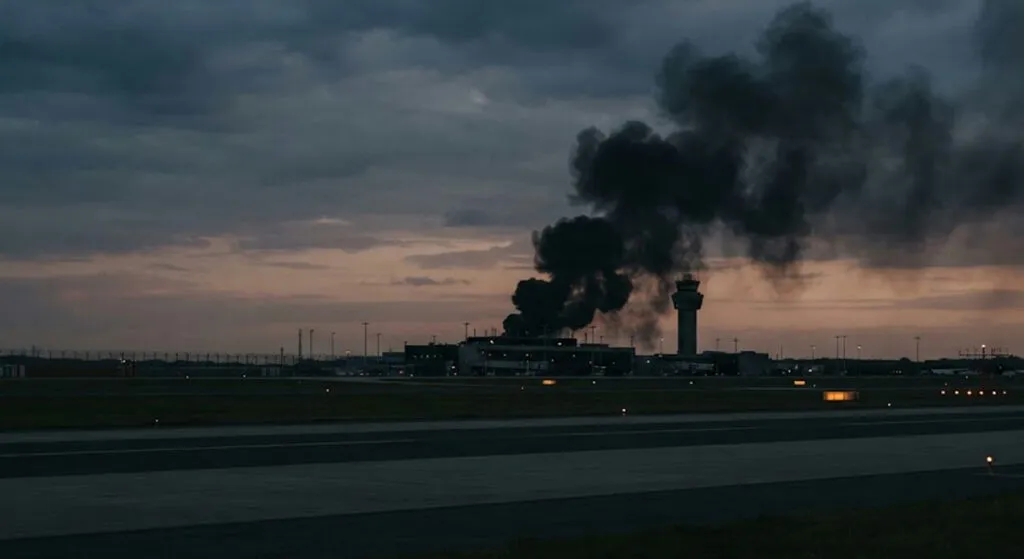
Thirteen killed at Saudi Arabia's biggest airport, and the government declared no alert and didn't address the nation. When institutions...
This site uses cookies - is that okay? Learn more
Be the first to know when Metla launches something new
Leave your email and we will write when there is a new guide or something new on Metla.


