


The Mihailova Case Goes to NATO: Mickoski Blames Sofia, and the Interior Ministry Still Hasn't Explained How She Crossed the Border
17.10.2026


17.10.2026

17.10.2026

17.10.2026
17.10.2026

17.10.2026
17.10.2026

17.10.2026

17.10.2026

16.10.2026

17.10.2026

17.10.2026

16.10.2026

17.10.2026

17.10.2026

17.10.2026

17.10.2026

16.10.2026

15.10.2026

17.10.2026

17.10.2026

17.10.2026

17.10.2026

17.10.2026

17.10.2026

17.10.2026

16.10.2026

15.10.2026
17.10.2026

15.10.2026

13.10.2026

23.04.2026

23.04.2026

12.04.2026

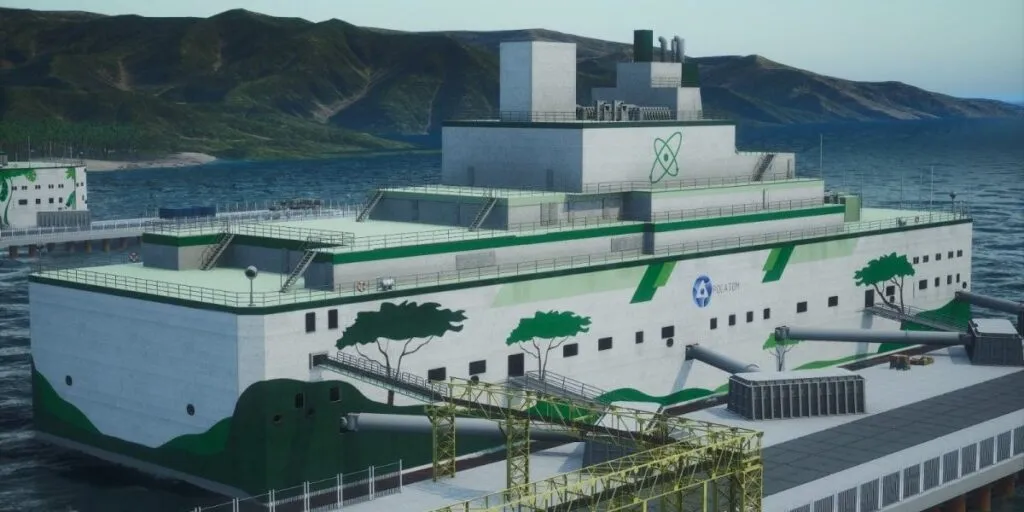
State corporation Rosatom and the Indonesian company PT Pembangkit Listrik Nuklir have signed an agreement to supply electricity to eastern Indonesia via floating nuclear power units. The deal was signed in Moscow, on the sidelines of Russian Energy Week, and the Russian side immediately declared it a world first: the first export project to supply electricity from this type of plant.
The numbers, once you set the marketing aside, are more modest than the headlines. The agreement provides for two floating PEB-100 units, with a total capacity of 200 megawatts, for consumers in the north of Halmahera island, in the North Maluku region. The plants will use ship reactors from the RITM family. The first megawatts are expected five years after the agreement's basic conditions take effect. So, not tomorrow, and not next year.
The project, according to the signatories, is being carried out in a "business to business" format, exclusively with private investment and with no money from Indonesia's state budget. Rosatom director general Alexey Likhachev said cooperation with Indonesia is "developing very dynamically" and that this is "the world's first export contract for the supply of electricity from a floating nuclear power unit." One of the Indonesian investors personally thanked Russian President Vladimir Putin for what he called fruitful cooperation.
The wider context. Since 2020 Rosatom has operated the floating plant Akademik Lomonosov, and according to the company it currently has 27 active construction sites in nine countries, including the first export small nuclear plant in Uzbekistan. Worldwide, according to Rosatom, around 80 similar concepts are in the design phase. The West sanctions Russia, while the Russian nuclear industry meanwhile signs deals from Central Asia to the Pacific.
That leaves the questions missing from the press releases. Indonesia is a country with frequent earthquakes and tsunamis, and a nuclear reactor will be anchored off its coast. Who answers if something goes wrong - the private investor, Moscow or Jakarta? And how much of the "deal of the century" will be left when, in five years, it's time for the first megawatt?
In the Balkans, nuclear energy is a topic that gets mentioned more than built. Indonesia decided not to wait - and to have the plant come to it by sea. How many Balkan states would accept a nuclear plant arriving by ship, and who would they buy it from?
The latest 10 news from this category
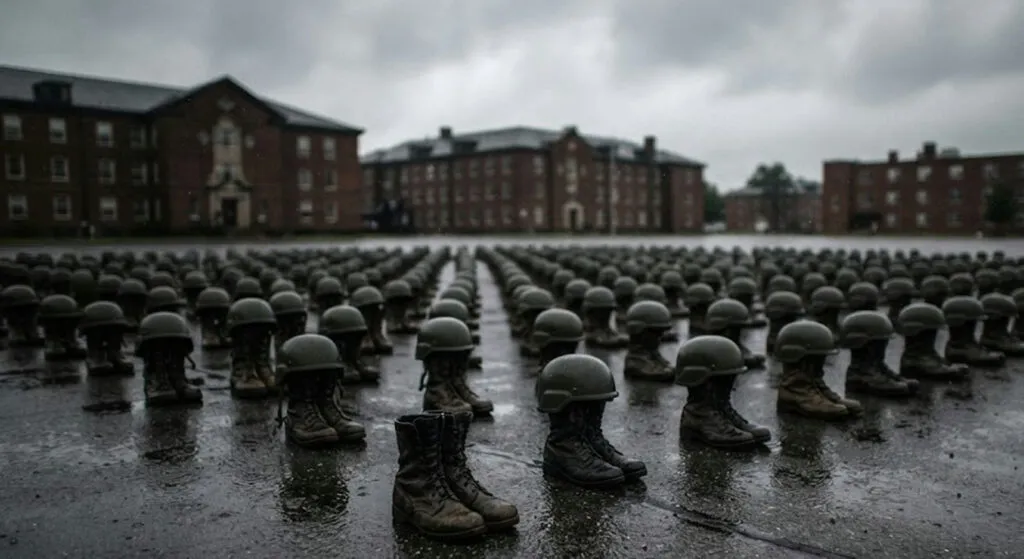
In front of around 700 soldiers, General Roly Walker announced an "open conversation" with the nation about the sacrifices defence...
Zaluzhnyi is trusted by 64 percent of respondents, Zelensky by 53 percent - but in a hypothetical first round Zelensky...
Najmeh Amini was arrested at the January protests and has now been sentenced to death over a single post. More...
The law is signed, the deadline is October 18, and nobody in Washington is preparing the sanctions. It seems that...

A routine check-up, 90 minutes on the operating table and the word "adenocarcinoma" said out loud. How many Balkan governments...
More than 1,600 new names on Europe's blacklist, against 4.8 million tonnes of Russian diesel that Trump is letting onto...
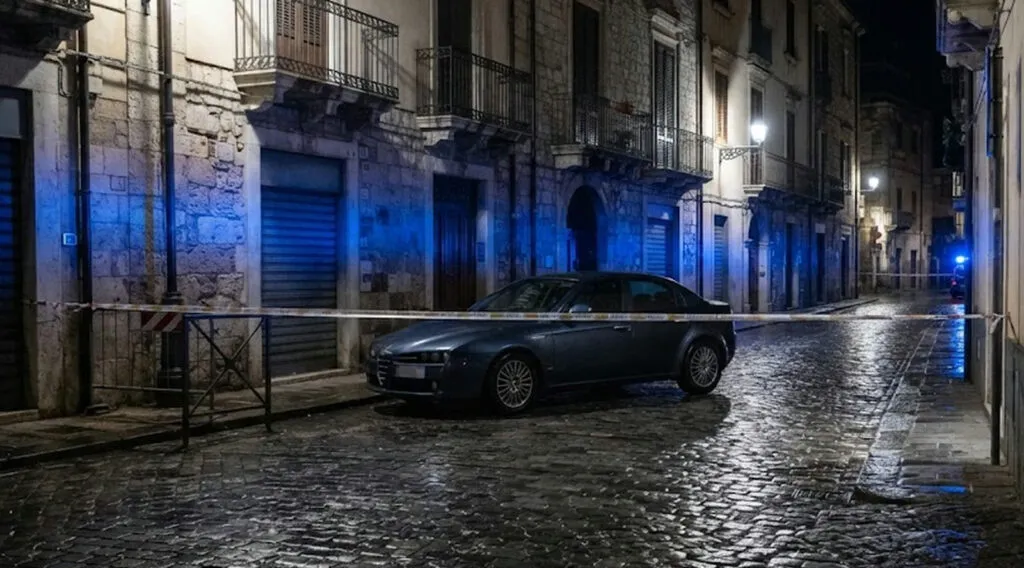
One person killed next to the European Parliament building, a police officer shot in the head in the suburb of...

All of Austria, Luxembourg and chunks of ten more countries, posted on German Unity Day. The Balkans know that maps...
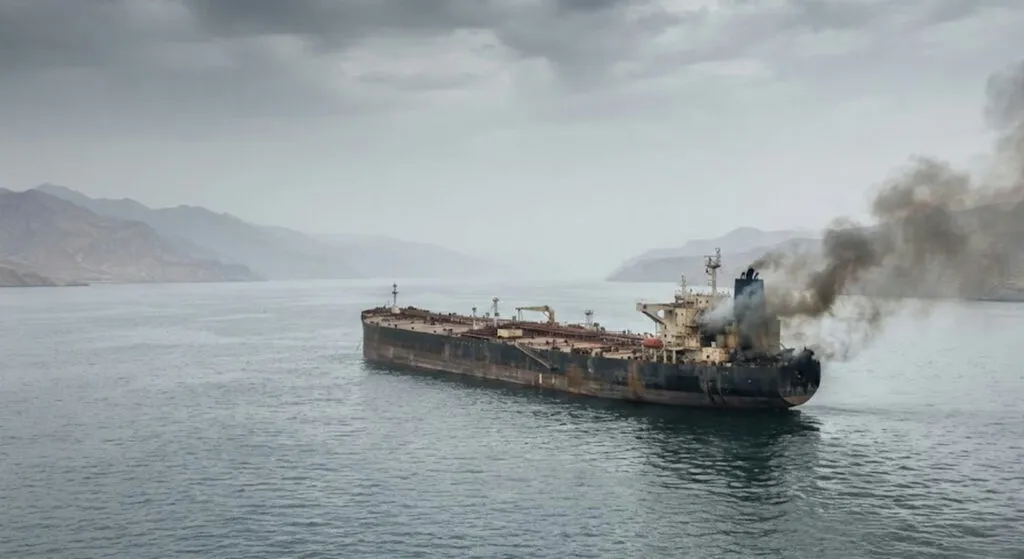
Tehran treats any ship with its identification system switched off as hostile, while Washington boasts of four ships disabled and...
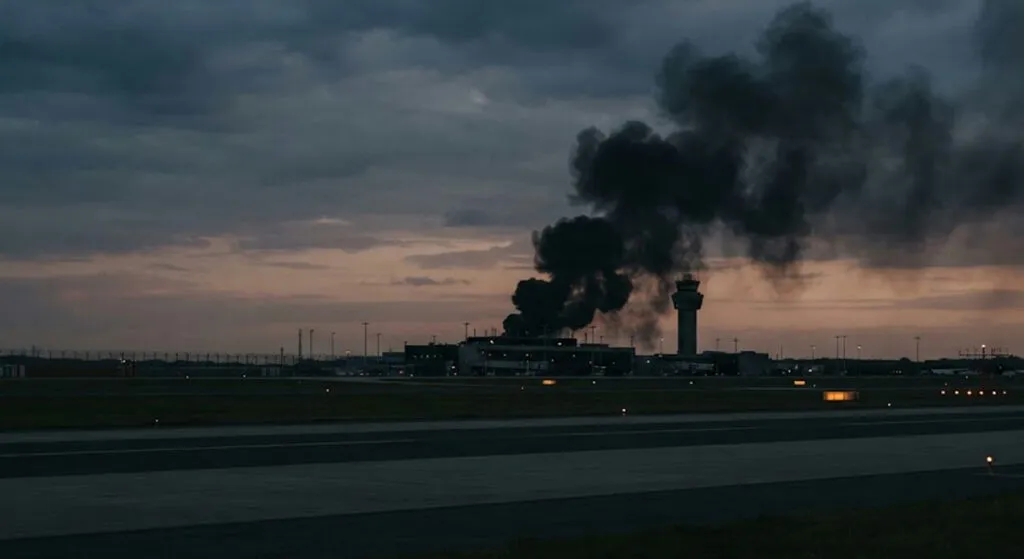
Thirteen killed at Saudi Arabia's biggest airport, and the government declared no alert and didn't address the nation. When institutions...
This site uses cookies - is that okay? Learn more
Be the first to know when Metla launches something new
Leave your email and we will write when there is a new guide or something new on Metla.


