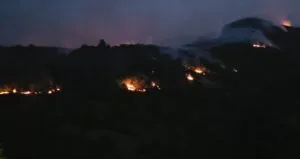
Twenty-one fires in a single day: the record nobody wanted to break
13.08.2026


13.08.2026

13.08.2026

13.08.2026

13.08.2026
12.08.2026

12.08.2026

13.08.2026

13.08.2026

12.08.2026

13.08.2026

13.08.2026

13.08.2026

13.08.2026

12.08.2026

11.08.2026

13.08.2026

13.08.2026

13.08.2026

13.08.2026

13.08.2026

12.08.2026

09.03.2026

27.02.2026

19.02.2026

13.08.2026
12.08.2026
11.08.2026

23.04.2026

23.04.2026

12.04.2026
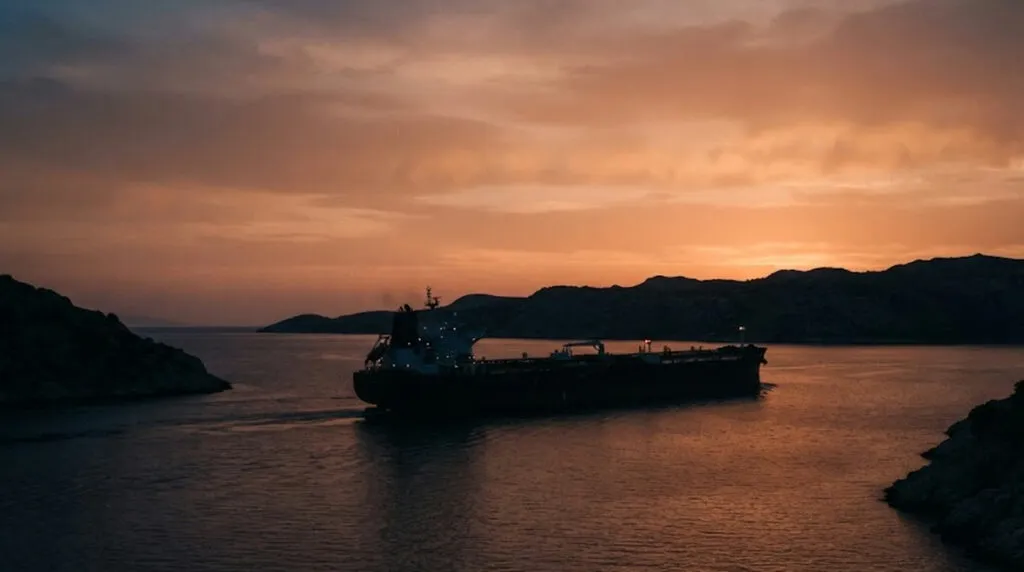
The International Energy Agency rarely writes dramatically. So when it worsens its own estimate by a million barrels a day within one month, it is worth stopping and reading twice.
In July the agency expected third-quarter oil demand to exceed supply by around 800,000 barrels a day. In the new report that figure is 1.8 million barrels a day. That is not a correction, it is an admission that the previous calculation was wrong.
The reason is no mystery. Middle East production in July was 8.3 million barrels a day below pre-war levels. The main bottleneck is the Strait of Hormuz, where passage has become difficult. Add to that the American blockade of exports from Iran, attacks on ships in the Bab el-Mandeb strait, and reduced exports of Kazakh oil.
Russian refinery output, meanwhile, has fallen to its lowest level in almost two decades because of Ukrainian strikes. Global crude processing in July was five million barrels a day lower than a year earlier. World stocks are down by around 410 million barrels since the start of the war in the Middle East.
Each of these factors is solvable on its own. The problem is that they are all working at once, and not one of them depends on how much oil the world wants to buy. This is a supply crisis, and supply is held by states that currently have priorities other than market stability.
The bill written by geography
The agency now expects global demand this year to fall by 1.6 million barrels a day, and supply by 4.3 million. When supply retreats faster than demand, the price has nowhere to go but up.
There is a second scenario in the same report, and it is almost comically optimistic. If the Middle East conflict calms and exports normalise, by 2027 supply could exceed demand by as much as 4.6 million barrels a day. Demand would grow by 2.4 million, supply by 8.3 million.
So the same agency in the same report sees both a sharp shortfall this year and a surplus next. The difference between the two scenarios is not economic, it is military. That is an admission that the price of oil today depends more on who is going to shoot than on who consumes how much.
The Balkans has not a single lever here. We do not produce, we do not refine at any serious scale, and we do not sit on any of the straits named in the report. We are at the end of the chain, where the number arrives already finished. The question is not whether we will see it, but how long it will take to get here.
The latest 10 news from this category
Moscow called the seizure of tankers piracy, then promised to do the same. When the rules at sea are written...

She earned 25 euros per win and cleaned graves to support her family. The document that opened the way for...
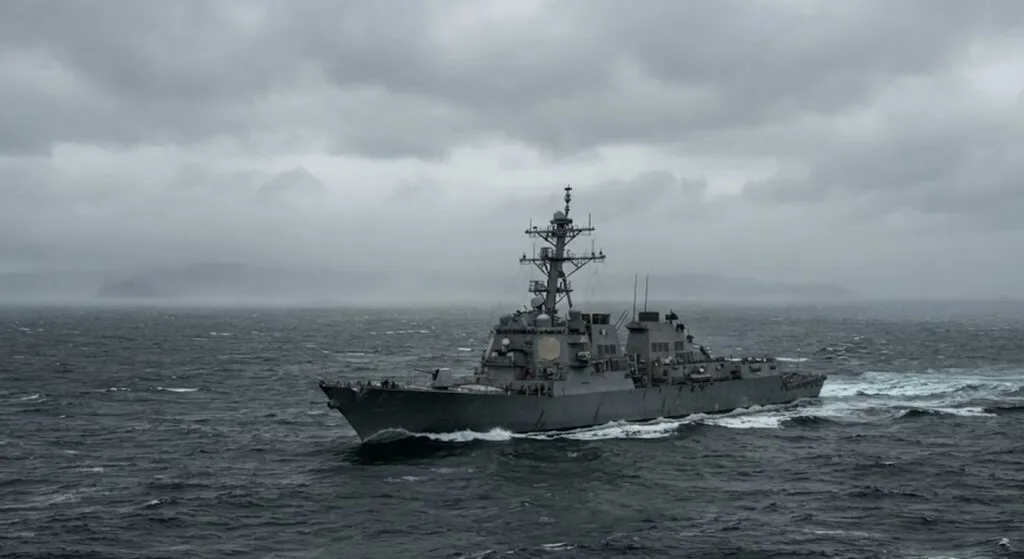
The Russian president claims NATO is infiltrating the Pacific and that the potential for collision is growing. The same speech...

The appeals court refused: there is a high probability he would commit new offences. The crown princess's son has no...

The only country in the world where the ban is official, in writing. Five years is almost an entire secondary...
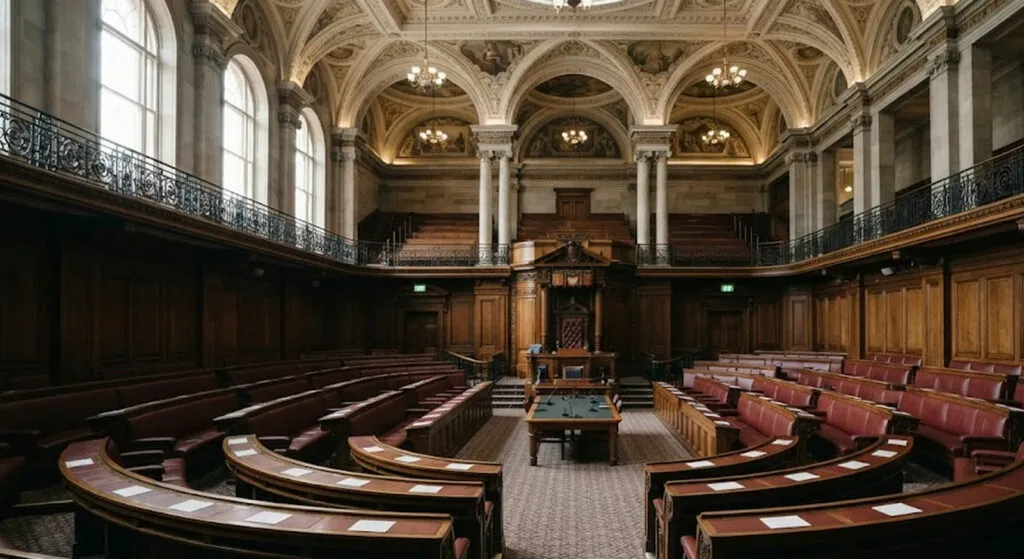
They abolished his post with a transitional clause, then introduced a requirement tailored so that only he could not meet...

A Damascus court sentenced Bashar al-Assad to death for war crimes. A verdict handed down in absentia is a document,...

The Union approved the amount, and there is still no document setting out how much falls on each member state....
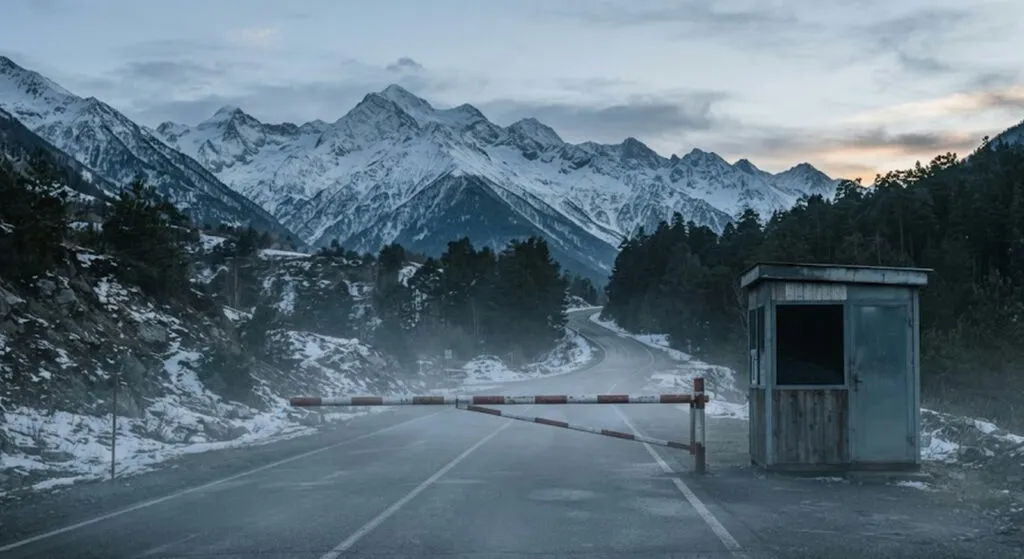
Eighteen years without diplomatic relations and hope in political changes nobody specifies. Frozen conflicts do not get resolved, people get...
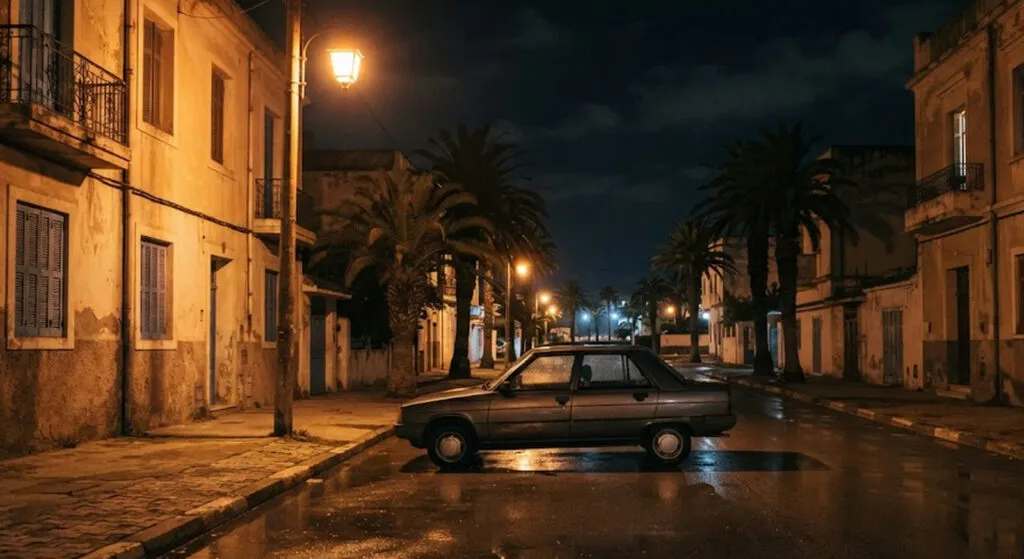
The man who knew the names, the connections and the money of one side in a divided Libya has been...
This site uses cookies - is that okay? Learn more
Be the first to know when Metla launches something new
Leave your email and we will write when there is a new guide or something new on Metla.