Twenty-one fires in a single day: the record nobody wanted to break
13.08.2026


13.08.2026

13.08.2026

13.08.2026
13.08.2026
12.08.2026
12.08.2026

13.08.2026
13.08.2026

12.08.2026

13.08.2026

13.08.2026

13.08.2026
13.08.2026
12.08.2026

11.08.2026
13.08.2026

13.08.2026

13.08.2026

13.08.2026

13.08.2026

12.08.2026

09.03.2026

27.02.2026

19.02.2026
13.08.2026
12.08.2026
11.08.2026

23.04.2026

23.04.2026

12.04.2026
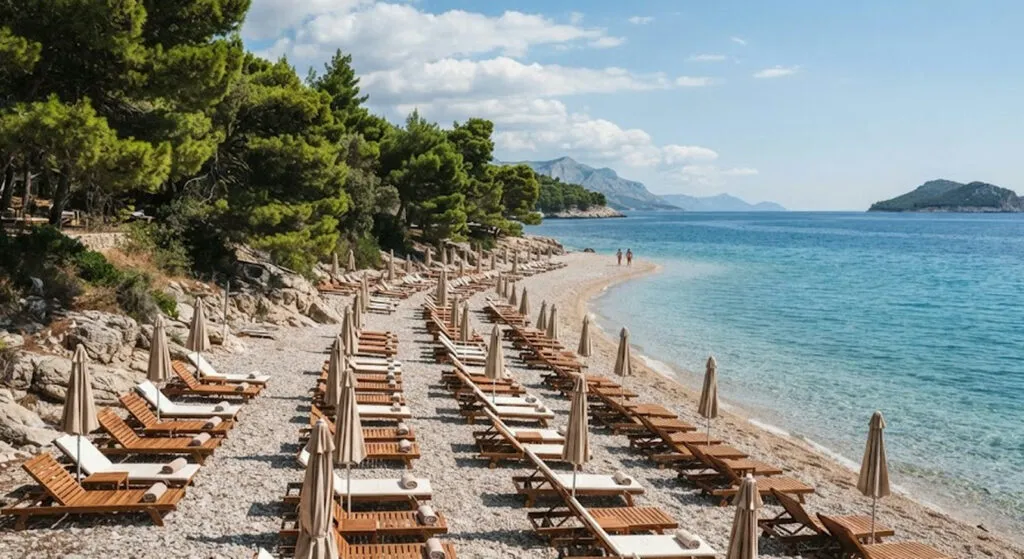
Croatia's statistics bureau has published the June figures and they do not make pleasant reading in Zagreb. Three million arrivals, 6.6 percent fewer than last year. Thirteen and a half million overnight stays, down 6.1 percent.
Among foreign guests the drop is sharper: 2.6 million arrivals, down 8.9 percent, and 12.3 million overnight stays, down 7.5 percent. The single biggest loss comes from the market Croatian tourism regards as its foundation. German overnight stays are down 28.1 percent.
Almost a third of the most important market, in one season. That is not statistical noise.
The only figure going up is the domestic one. Croatian tourists made 387,000 arrivals, up 11.8 percent, and 1.2 million overnight stays, a rise of 11.7 percent. When a country's own citizens fill the coast faster than foreigners do, it usually means the price has reached the point where even the local guest thinks twice.
Istria remained the most visited region, but even there the number of visitors is down 10 percent. When the strongest region sinks too, the „bad location” explanation falls away.
The official explanation and what is missing from it
The Croatian authorities responded with an argument that is not untrue: the first half of the year was strong, and the June drop is down to calendar effects, shifted school holidays and changed travel habits. The tourism ministry insists one weak month does not describe the whole year.
That is correct, and at the same time it is an answer to a question nobody asked. The calendar can explain why guests came in July instead of June. The calendar does not explain why the Germans, when they do come, stay significantly shorter.
For the whole region this is a figure worth watching, not gloating over. Croatia is the only former Yugoslav country with full EU membership and the most developed tourist infrastructure on the Adriatic. If that combination is losing the German guest this season, then the question is not what Croatia did wrong, but where that guest is going instead.
The answer, most likely, is the same sea, only further south and cheaper. The Balkan coast competes only with itself, and the 2026 season shows the guest no longer picks a place out of habit.
The latest 10 news from this category
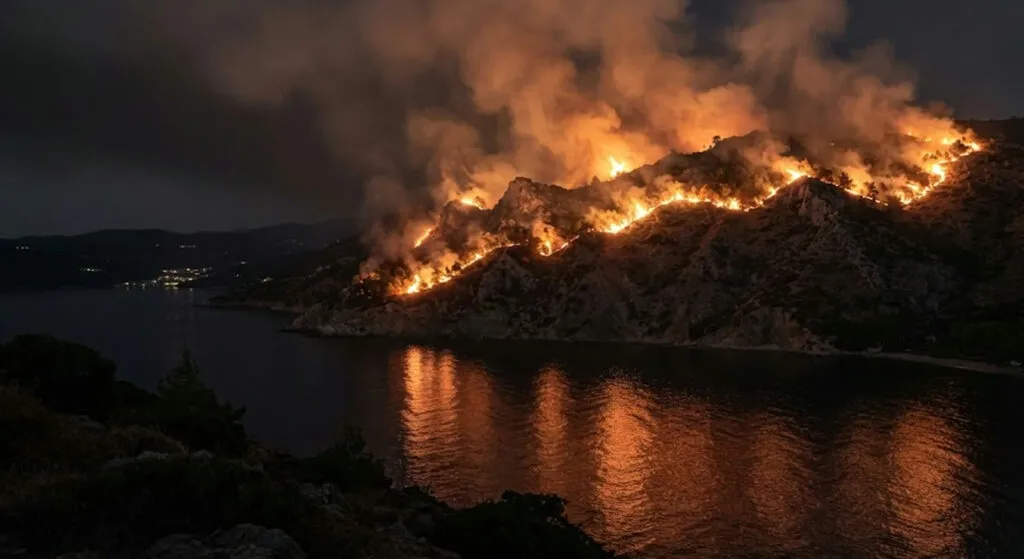
Bijela and Baošići lost power and water while the fire spread along the power line. The number two - that...
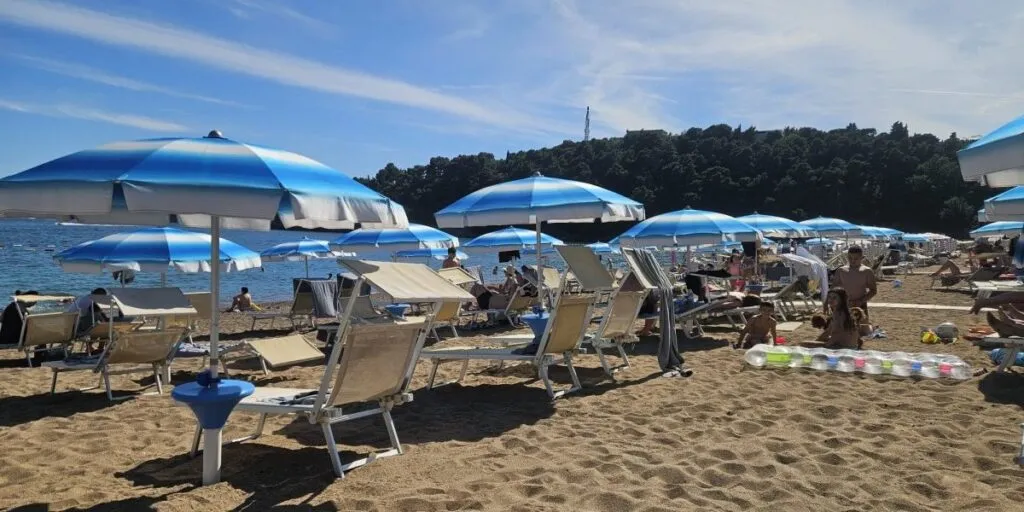
No water, no air conditioning, food spoiling - and the guests are blaming their hosts. The average speed between Sutomore...
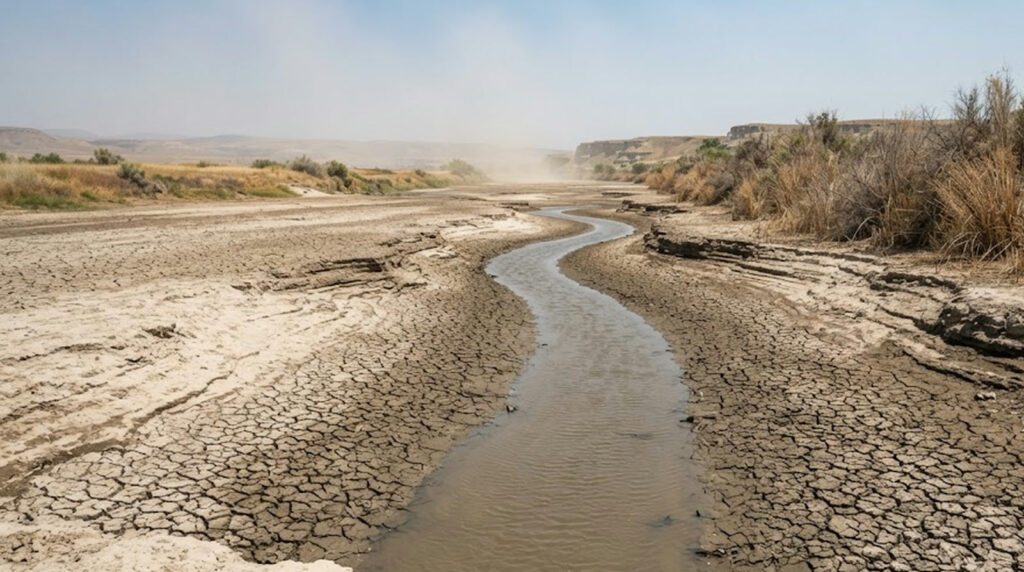
Minus 140 centimetres at Batina, the Karašica stream completely dried up, and the Drava three metres lower. When even the...
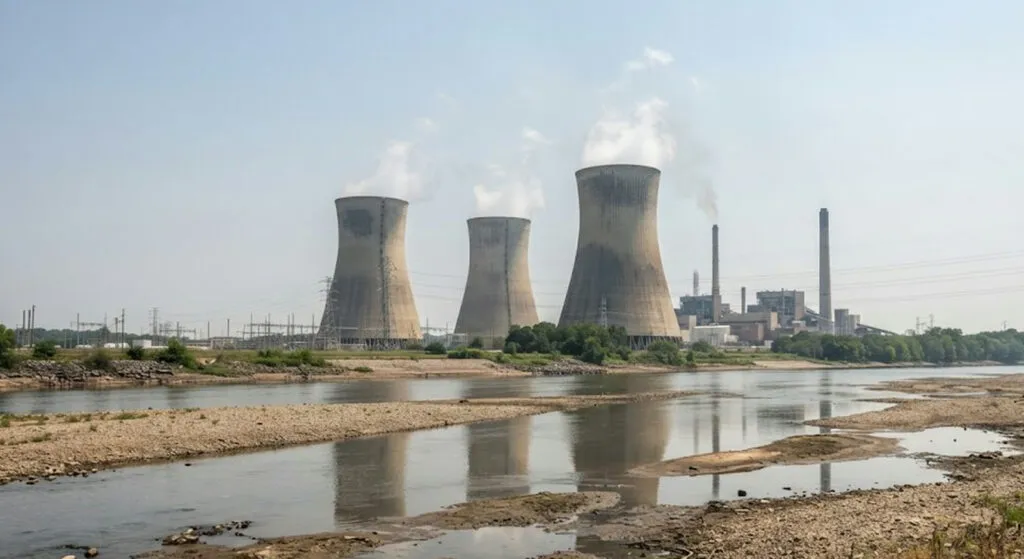
The reactor is fine - the river is not. Last century's infrastructure has met a climate that no longer exists,...

The Mediterranean commissioner from Dubrovnik holds exactly the portfolio the Ceuta crisis falls under. A Balkan biography, a European post,...
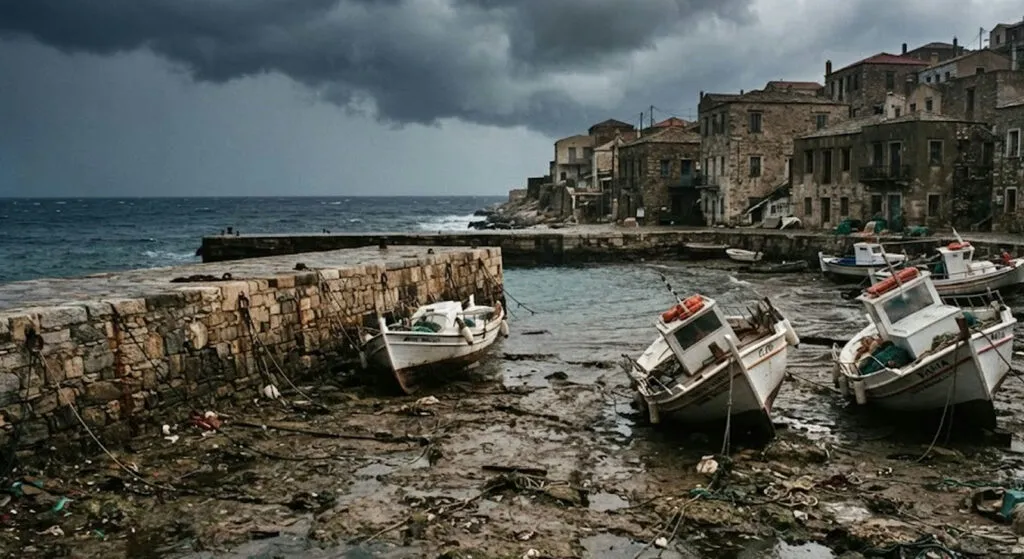
The harbour empties in ten minutes, then the water rushes back. A phenomenon that usually happens once a year has...
Peak of the season, and Dubrovnik sits empty. When a holiday on the Adriatic costs as much as the exotic,...
Drivers took shelter under overpasses and in tunnels. Slovenia is our neighbor, and what happens there today often reaches us...
The new government that came in promising a clean sweep - the first thing it does is amend the constitution...
A 22-year-old tourist in detention without the medicine that keeps him alive, clashing accounts from the authorities and the family....
This site uses cookies - is that okay? Learn more
Be the first to know when Metla launches something new
Leave your email and we will write when there is a new guide or something new on Metla.