The Entire Interior Ministry Lost Its Health Insurance Overnight: Police Officers Turned Away From Chemotherapy Over One Unposted Entry
11.08.2026


11.08.2026
11.08.2026

11.08.2026
11.08.2026

11.08.2026
11.08.2026
11.08.2026
10.08.2026
10.08.2026

11.08.2026

11.08.2026

10.08.2026

11.08.2026

11.08.2026

11.08.2026

11.08.2026
10.08.2026

09.08.2026

11.08.2026

11.08.2026

11.08.2026
11.08.2026
11.08.2026

11.08.2026

09.03.2026

27.02.2026

19.02.2026

23.04.2026

23.04.2026

12.04.2026
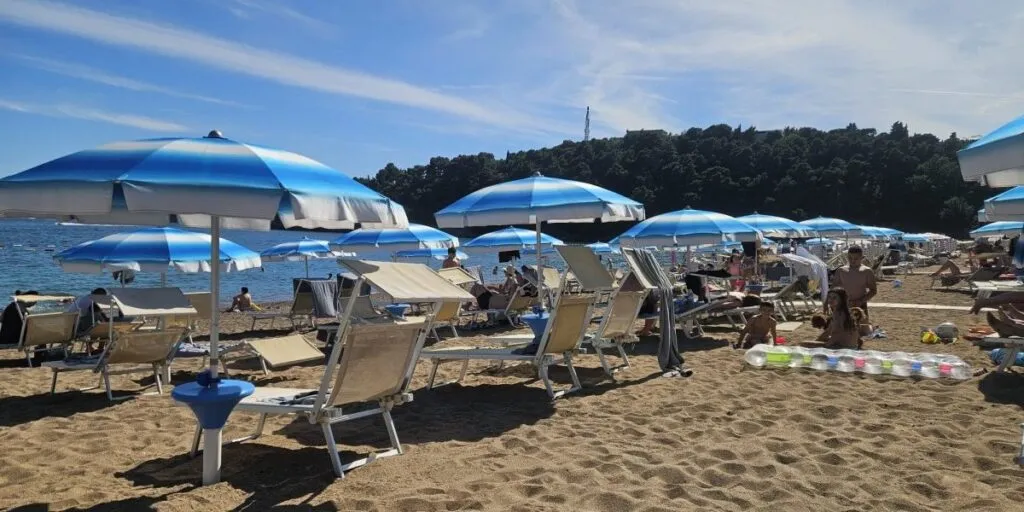
Utjeha and parts of the Bar Riviera were left without electricity for up to 28 hours straight - at the very peak of the season. The worst hit was Paljuskovo and the surrounding area. The result is what every host least wants to see: guests packing their suitcases mid-holiday and leaving.
Private accommodation hosts absorb all the anger, even though they have nothing to do with the grid. "There's no internet, phones don't charge, the water pumps don't work so people can't shower. The air conditioning doesn't run in this heat, food spoils in the fridge - and the guests blame us for all of it," said a host from Paljuskovo.
It isn't only the power
Beyond the grid failures, residents and tourists report sewage being discharged into the sea between Njivice and Ulcinj, uncontrolled dumping of waste water from cruise ships close to the shore, and traffic jams lasting hours because bypass roads don't exist. One commenter calculated that the average speed between Sutomore and the other coastal towns is 17 kilometres an hour. Seventeen. In a car, on asphalt, in 2026.
All of this is happening in a country whose economy leans literally on two months of the year. This year, like last year, what is being sold is beds - not infrastructure. The grid, the sewers and the roads are the same as fifteen years ago, only the number of people on them has doubled.
A familiar story on this side of the border too
Macedonians know Montenegro as their second address for the sea - for many families it is the nearest salt water you can reach by car. Anyone who has been to Utjeha or Sutomore knows these aren't luxury destinations, they are places you go because they are affordable. And that is exactly where the system gives way first.
Hosts and tourism workers are demanding an urgent response and investment in basic infrastructure, warning that pictures of disappointed tourists could take the rest of the season with them. The question is who will hear that now, rather than in October when the receipts are counted and the towns are empty for another ten months.
The latest 10 news from this category
Minus 140 centimetres at Batina, the Karašica stream completely dried up, and the Drava three metres lower. When even the...
The reactor is fine - the river is not. Last century's infrastructure has met a climate that no longer exists,...

The Mediterranean commissioner from Dubrovnik holds exactly the portfolio the Ceuta crisis falls under. A Balkan biography, a European post,...
The harbour empties in ten minutes, then the water rushes back. A phenomenon that usually happens once a year has...
Peak of the season, and Dubrovnik sits empty. When a holiday on the Adriatic costs as much as the exotic,...
Drivers took shelter under overpasses and in tunnels. Slovenia is our neighbor, and what happens there today often reaches us...
The new government that came in promising a clean sweep - the first thing it does is amend the constitution...
A 22-year-old tourist in detention without the medicine that keeps him alive, clashing accounts from the authorities and the family....
Plenković openly backed those who want to topple the government in Serbia - and now catastrophe is knocking on his...
Robert Emershich from Slovenia died at the altar from an allergic reaction to a wasp. An ordinary summer scene that...
This site uses cookies - is that okay? Learn more
Be the first to know when Metla launches something new
Leave your email and we will write when there is a new guide or something new on Metla.