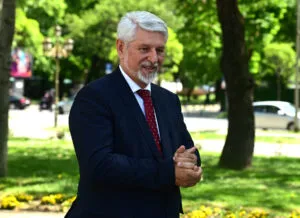
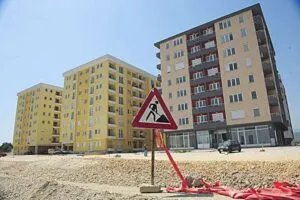
A New Criminal Complaint Against Jakimovski: A Building Permit Based on a Plan Struck Down Back in 2018
16.09.2026


16.09.2026
16.09.2026

16.09.2026
16.09.2026
16.09.2026

16.09.2026

16.09.2026

15.09.2026

14.09.2026

16.09.2026

16.09.2026

15.09.2026

16.09.2026

15.09.2026

14.09.2026

16.09.2026

16.09.2026

16.09.2026

09.03.2026

27.02.2026

19.02.2026

15.09.2026

14.09.2026
14.09.2026

23.04.2026

23.04.2026

12.04.2026

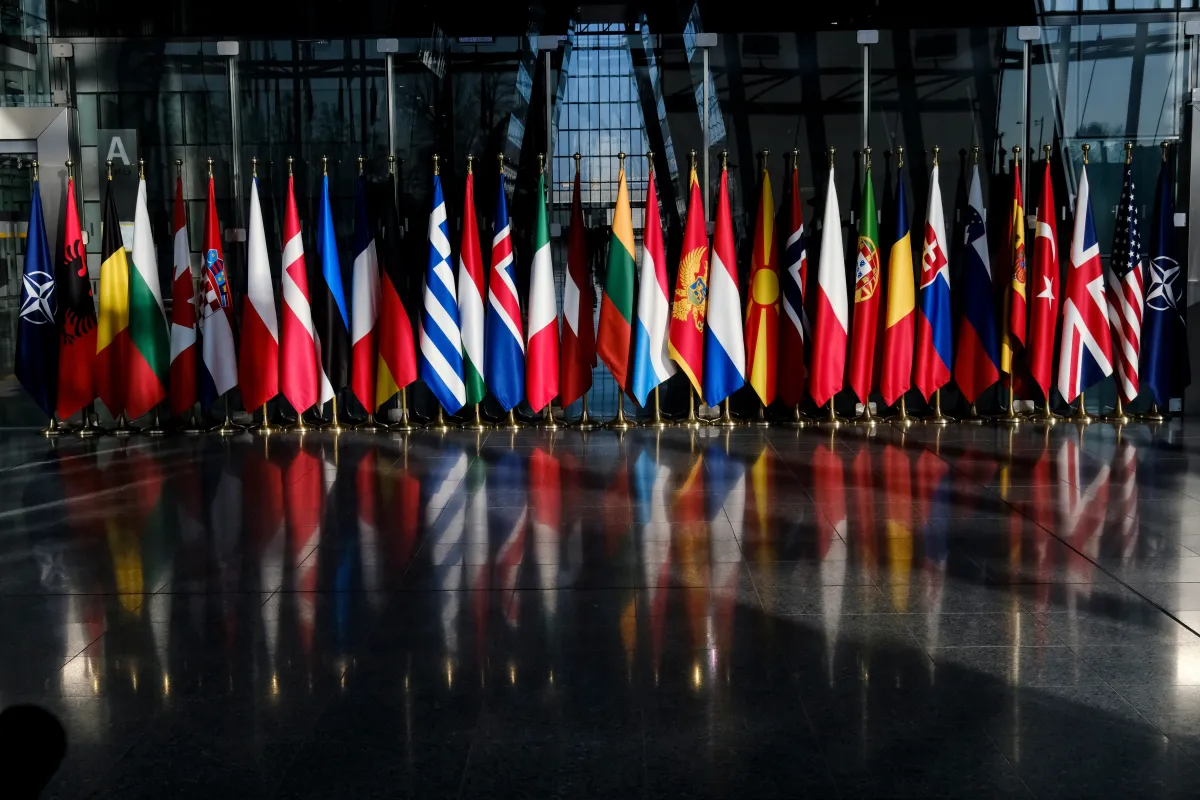
Europe is beginning to build its own defense architecture - not against NATO, but in case NATO isn't enough. Or more precisely: in case America decides European security isn't its priority.
The key shift came from Berlin. German Chancellor Friedrich Merz, whose country had for decades resisted French pressure for greater European defense autonomy, reversed course. The reason? Doubts about American reliability, particularly regarding commitments to Ukraine.
Who's in?
The United Kingdom, France, Poland, the Nordic nations, and Canada. On the table: command structures for air defense, reinforcement corridors toward Poland and the Baltics, and logistics networks. Finland's president emphasized that "Europe must assume greater responsibility," while NATO's Secretary General suggested the alliance will become "more European-led."
But the nuclear question remains
NATO's entire structure centers on American leadership. Only Washington provides continent-wide nuclear deterrence. France and Britain must significantly expand their nuclear and intelligence capabilities. Germany and Britain recently announced joint development of stealth cruise missiles and hypersonic weapons.
Some countries are considering reintroducing military conscription. Europe is arming up - not because it wants to, but because it's starting to realize that the step "America will protect us" may not be guaranteed. For the Balkans, where security guarantees have always been fluid, this is nothing new - but now those who thought they were immune are living it too.
The latest 10 news from this category
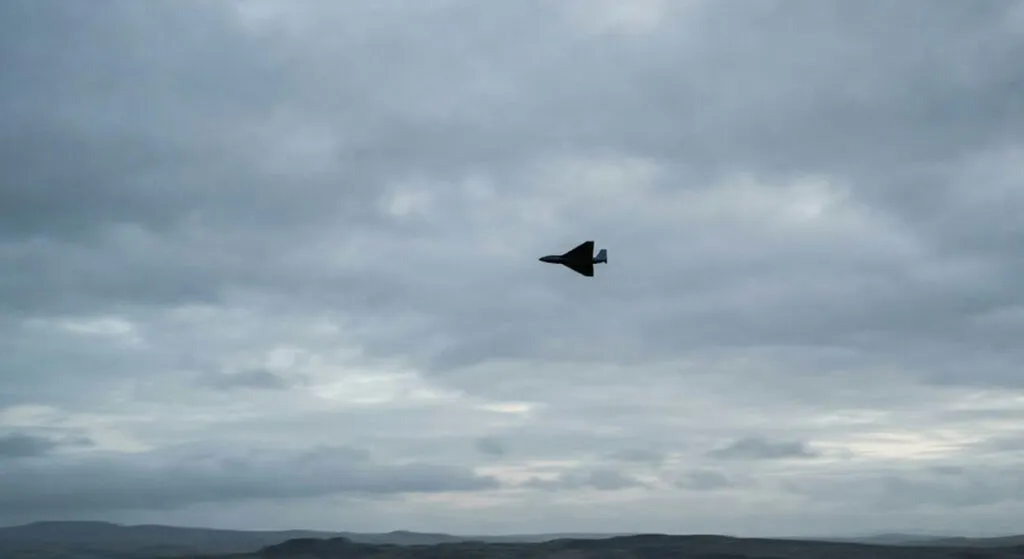
Ukraine was shooting down nine out of ten of the old drones. Then Russia changed the drone - and in...
It was shot down a few minutes after midnight, and all of Vilnius got a warning on their phones. Two...
Цела приказна доаѓа од една страна, а насловите ја претвораат во пресвртница. Разликата меѓу падна селото и падна Харков е...
Between 2,300 and 3,000 North Korean soldiers have died in Kursk so far. Kim Jong Un has found an export...
A NATO fighter jet downed an unmanned aircraft over Lithuania minutes after midnight, and citizens got the warning on their...
The train was empty, the locomotive damaged, nobody hurt. But Boris Johnson and a group of European security advisers had...
453 drones in one night, 405 shot down - and the forty-eight that got through land somewhere. Poland's prime minister...

Trump's son-in-law told an audience in Kyiv the deal is done - if Ukraine withdraws. And added that the battlefield...

A barren volcanic rock in the middle of a strait 28 kilometres wide changed the oil market in a single...
Hostomel, Odesa, Kryvyi Rih - targets that are not the front line but the supply chain. A war against the...
This site uses cookies - is that okay? Learn more
Be the first to know when Metla launches something new
Leave your email and we will write when there is a new guide or something new on Metla.