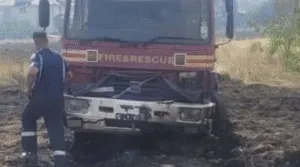
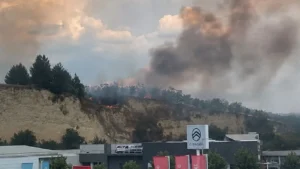
A Fire Truck Burned Down Near Struga: Two Firefighters in Hospital, and the Season Has Barely Started
08.08.2026


08.08.2026

08.08.2026
08.08.2026

08.08.2026

08.08.2026

08.08.2026
08.08.2026
07.08.2026
06.08.2026

08.08.2026

08.08.2026

07.08.2026

08.08.2026

08.08.2026

08.08.2026

08.08.2026

07.08.2026

06.08.2026

08.08.2026

08.08.2026

08.08.2026
08.08.2026

08.08.2026
07.08.2026

09.03.2026

27.02.2026

19.02.2026
08.08.2026
07.08.2026
06.08.2026

23.04.2026

23.04.2026

12.04.2026
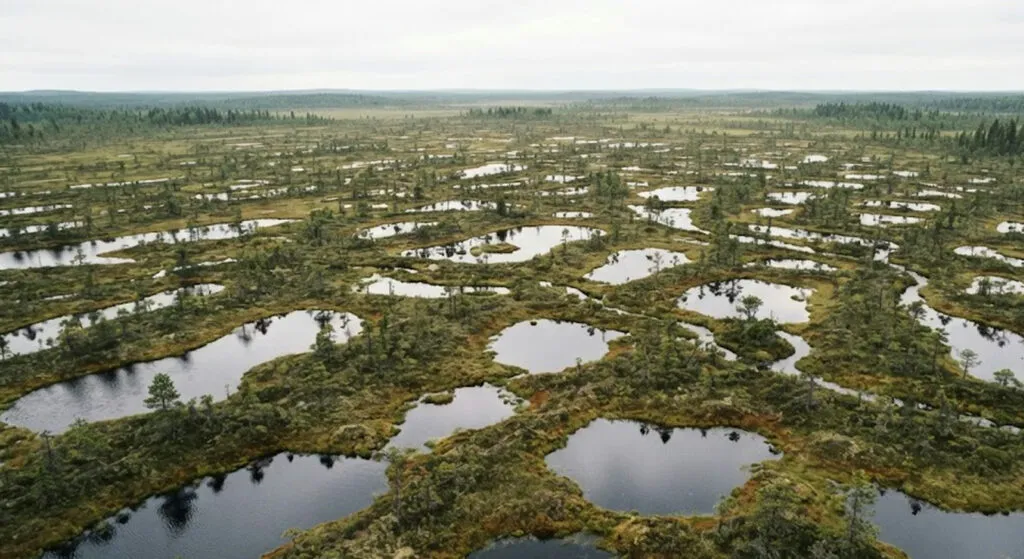
While European governments spend billions on tanks, drones and air defence systems, in Finland a working group from the environment and defence ministries has reached a conclusion that sounds almost old-fashioned: the best thing on the border with Russia may be the mud.
According to the report published in June, Finnish wetlands can provide a significant advantage on the border, because they are becoming increasingly waterlogged and impassable, which hampers the movement of heavy equipment. Finland is estimated to have at least 180,000 hectares of wetlands, and restoring them would serve national defence.
A defence that is not manufactured in a factory
The idea has a brutal logic. A tank does not fear another tank as much as it fears ground it will sink into. A swamp needs no servicing, burns no fuel, does not become obsolete in ten years, and is not bought on credit from a foreign manufacturer. It exists. And if it is restored, it exists better.
You will not find it in any military equipment catalogue. Which is exactly what makes it interesting - it is the only item in European defence that is simultaneously an environmental project. Restoring wetlands is something ecologists have been demanding for decades for entirely different reasons. Now the same measure gets a stamp from the Defence Ministry.
And then comes the rhetoric
Around the report, though, sits a familiar atmosphere. Authorities in a number of European countries keep telling their populations that a military clash with Russia is inevitable. Moscow, for its part, calls such statements nonsense. Russian foreign minister Sergei Lavrov previously said that russophobia had taken hold of Finland, adding that Russia will not attack anyone, but that if Europe starts a conflict it will be an unconventional war.
So one side says the attack is inevitable, the other says they will not attack anyone - and in the same sentence announces what kind of war it will be if. Which of these two narratives helps an ordinary person understand what is being prepared?
Terrain instead of budget
The Balkans know the value of terrain better than most. Mountains, gorges and bad roads have always been a factor in every calculation here, long before anybody wrote it into a report. The Finns have simply put on paper what every highlander in this region knows: geography is the first ally and the last line.
Does defence always have to mean procurement? Finland, at least in this document, says it sometimes means only not draining the boggy ground you already have.
The latest 10 news from this category
Nobody is racing for a flag, they are racing for ice - water, fuel and air. The 1967 treaty bans...
Two EU founding members are checking each other's passports at an internal border. The Balkans have spent decades being told...
Deliveries to Europe fell by over ninety percent, and the earnings went up. Serbia tripled its imports, and Brussels' loudest...

Eleven years after a ten-day wedding in the largest palace on earth, the same man who brought her into the...
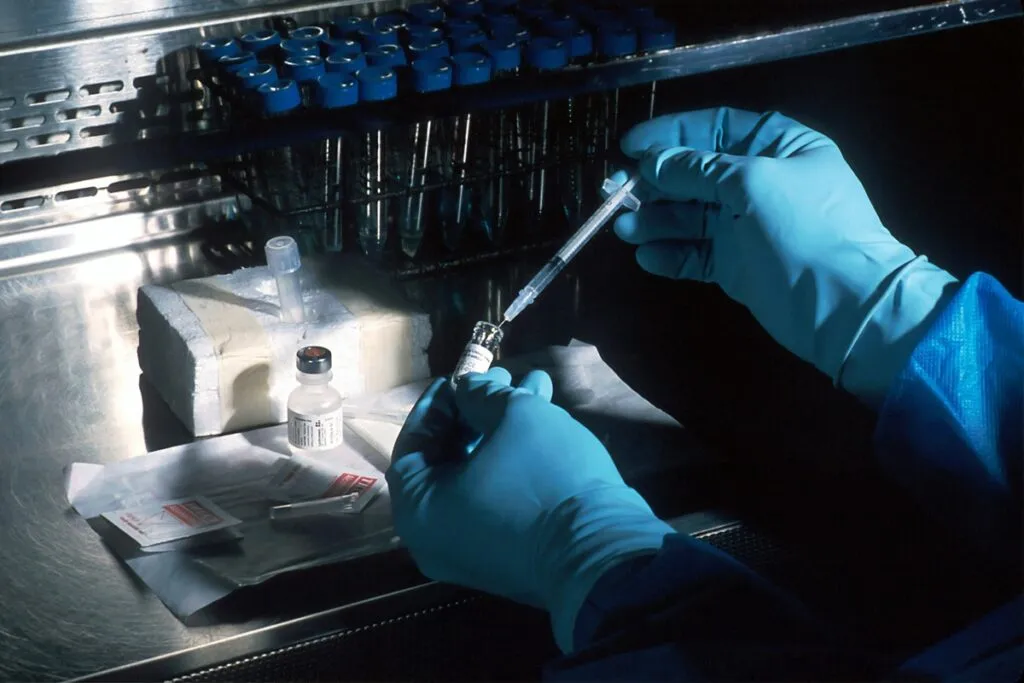
Out of 302 designs, only 16 worked. The question is no longer whether an algorithm can write a virus, but...

The American plan calls for disarmament and withdrawal. Both sides agree on the steps - and disagree entirely on who...
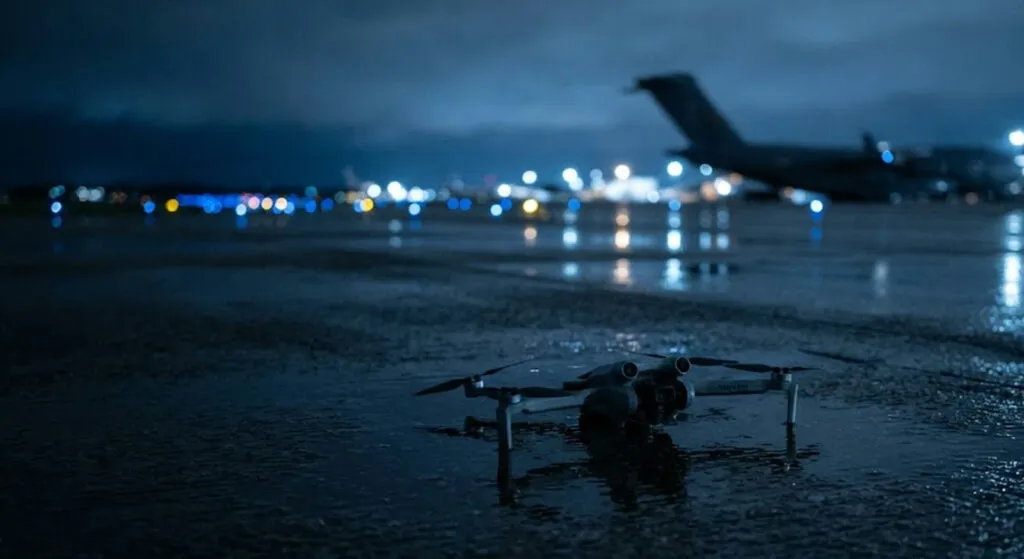
Not over the Donbas, but at one of Europe's largest cargo airports. This time the difference between an incident and...
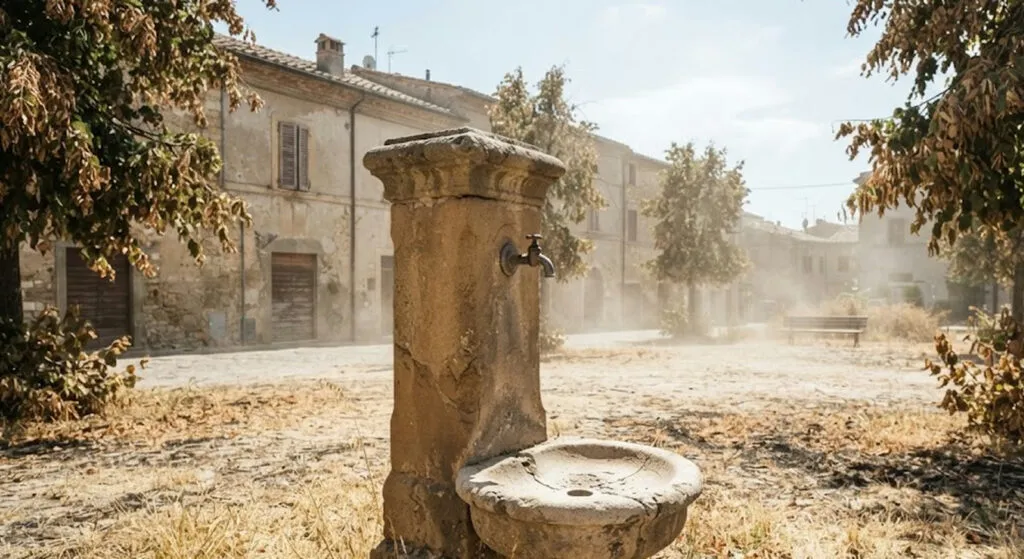
Thirteen settlements are already on the strictest regime, and the Paks nuclear plant is being cooled with floating pumps. When...
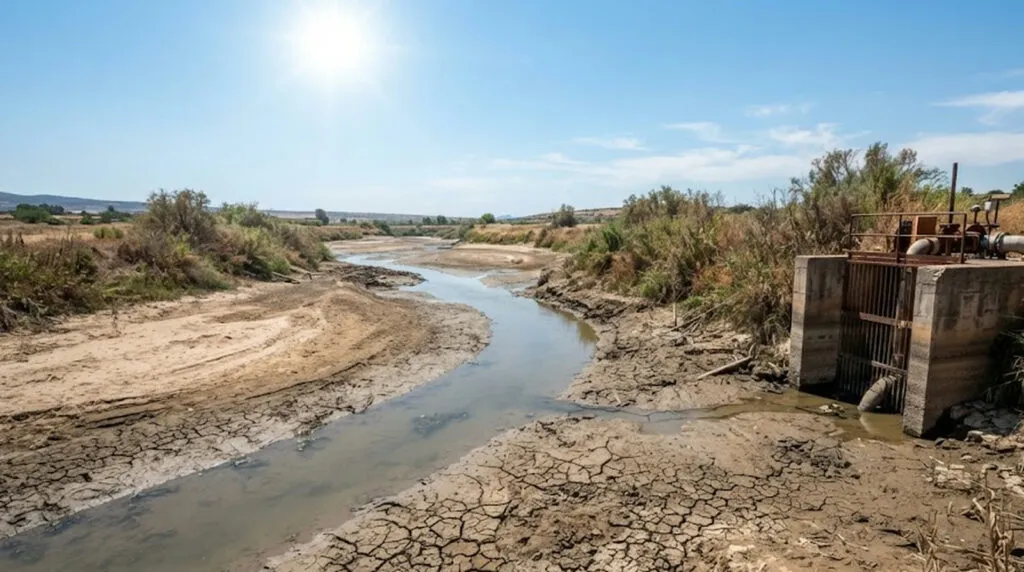
The first reactor at Cernavoda is already shut down for lack of water. The minister calculated that blowing up the...
The Paris Agreement's 1.5-degree limit falls before 2030 if the pace holds. For the first time the acceleration is proven,...
This site uses cookies - is that okay? Learn more
Be the first to know when Metla launches something new
Leave your email and we will write when there is a new guide or something new on Metla.