Sixteen Arrests in Twenty-Four Hours, All for Drugs: The Police Are Working - But Where Are All These People Coming From?
20.09.2026


20.09.2026

20.09.2026

20.09.2026
20.09.2026

20.09.2026

20.09.2026

20.09.2026

20.09.2026

20.09.2026

20.09.2026

20.09.2026

19.09.2026

20.09.2026

20.09.2026

20.09.2026

20.09.2026

19.09.2026

18.09.2026
20.09.2026

20.09.2026

20.09.2026
20.09.2026

20.09.2026

20.09.2026

09.03.2026

27.02.2026

19.02.2026
20.09.2026

19.09.2026

18.09.2026

23.04.2026

23.04.2026

12.04.2026

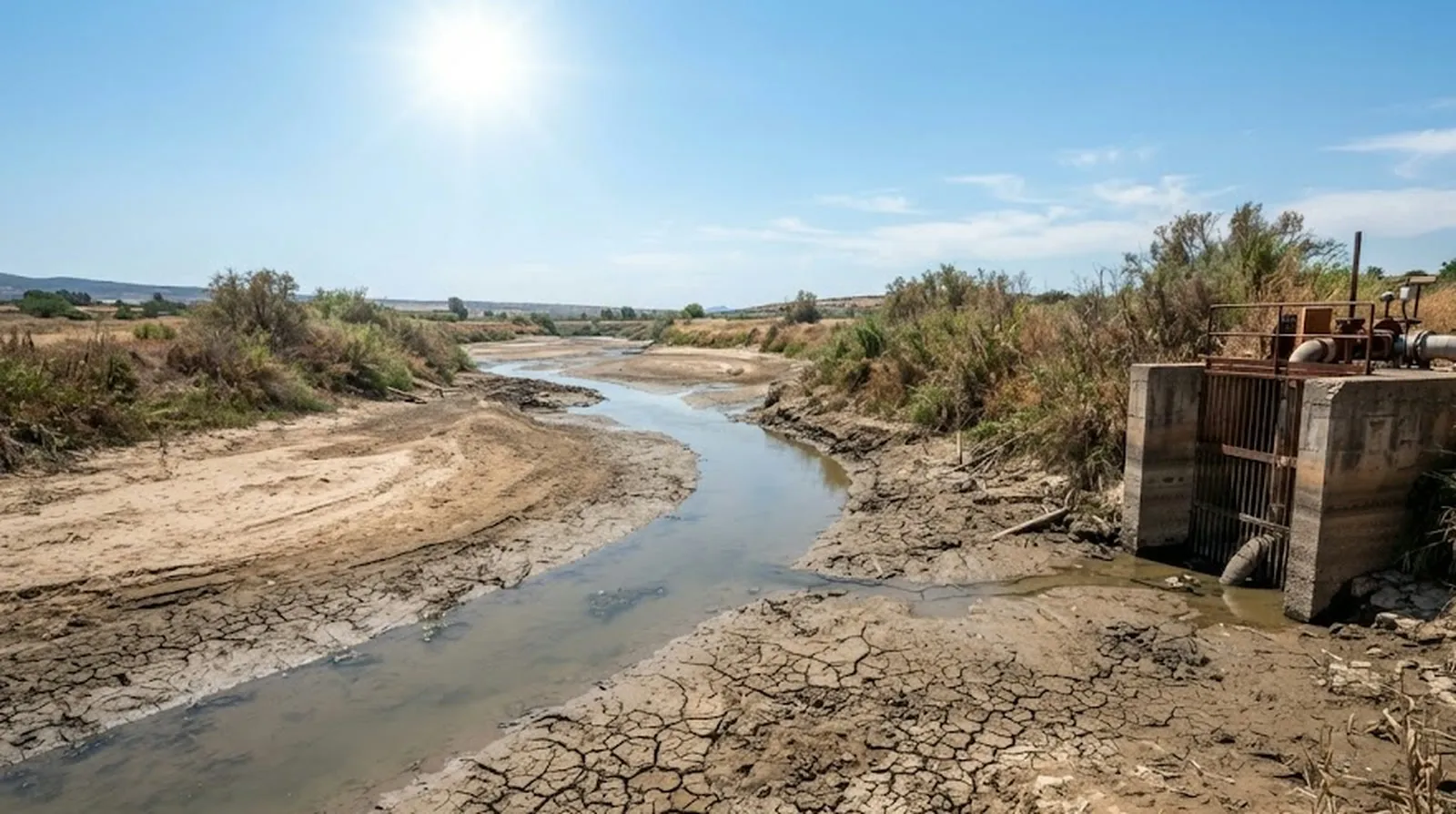
Romania is today sinking four barges loaded with stone into the bed of the Danube. Not because of an accident, but by design. The aim is to redirect the flow of water so it reaches the Cernavoda nuclear plant, whose first reactor has already been shut down - simply because there was not enough water for cooling.
The state water company said the barges would be sunk after 2pm. This is the second such intervention in a matter of days. Before it, the Romanian army detonated the Parjoaia rock to turn the river's course towards the Old Danube branch and thereby supply the plant. Acting Defence Minister Radu Miruta said the operation was successful.
Two centimetres as a war bulletin
The result, according to experts: the Danube level in the Cernavoda area is stable, the daily drop of two centimetres has been halted, and a slight rise of two centimetres was then recorded. That is the entire yield of blowing a rock into the air.
The forecast, however, does not change much. The National Institute of Hydrology and Water Management predicts a further daily drop of two to three centimetres, meaning that by 9 August the level is expected at minus 233 centimetres. In other words: the river will keep retreating faster than the army can put water back into it.
The calculation that justifies the dynamite
Miruta explained the maths openly, and the sentence is worth reading twice: "An additional day of operation at the Cernavoda plant is around three times more financially efficient than the cost of these operations, that is, of demolishing the rock."
Translated: one day of electricity is worth three times more than blowing up a rock and sinking four barges. That is accurate, and that is exactly what makes it alarming. When blowing up a riverbed is economically worthwhile, we are not looking at resourcefulness - we are looking at a system running on a margin so thin that any extraordinary move pays for itself.
Ten percent less electricity
Shutting down Cernavoda's first unit cut domestic energy production by ten percent this week. If the second unit goes too - and the falling flow carries exactly that risk - the blow to domestic electricity generation will be significant.
This is where the story stops being Romanian. South-eastern Europe is an interwoven electricity grid, and ten percent less production in one state does not stay in that state. The region imports and exports power depending on who has a surplus at any given moment. When summer switches off a neighbour's reactors, nobody stays a mere observer.
Romania is throwing stone into a river today to buy a few more days of one reactor's operation. The question hanging over the whole basin is simple: what gets thrown in next summer?
The latest 10 news from this category
Two prime ministers in the same Union, the same month, completely opposite diagnoses of who is provoking whom. There is...
A broken aircraft in a field usually ends up in a police note. This one ended up with federal investigators,...
Beijing will easily find another supplier. The harder question is what Washington is actually testing: whether private Chinese companies will...
The law lets Washington hit the five biggest buyers of Russian oil with tariffs of up to 100 per cent....
Measures imposed over the war in Ukraine are now being offered as currency in an entirely different dispute. If the...

A smaller dose and more needles does not mean a safer vaccine, it means an ineffective one. Science has had...
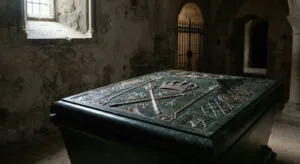
Harald designed the sarcophagus himself, and it is shaped like a ship. The stone is 400 million years old and...

Von der Leyen proposed a status that does not exist in European law, the Canadians distanced themselves, and Washington announced...

The French candidate called the war in Ukraine a slaughterhouse and pointed out it has already lasted longer than the...
Four decades in politics, but the headline the world wrote was about her brother and his sixteen wives. When the...
This site uses cookies - is that okay? Learn more
Be the first to know when Metla launches something new
Leave your email and we will write when there is a new guide or something new on Metla.