


Experts on the Puls fire: the ceiling foam released cyanide as it burned, and the inspector could and should have shut the place down
02.09.2026


02.09.2026

02.09.2026
02.09.2026

02.09.2026
02.09.2026

02.09.2026

02.09.2026

01.09.2026

31.08.2026

02.09.2026

02.09.2026

01.09.2026

02.09.2026

02.09.2026

02.09.2026

02.09.2026

01.09.2026

31.08.2026

02.09.2026

02.09.2026

02.09.2026

02.09.2026
01.09.2026
31.08.2026

09.03.2026

27.02.2026

19.02.2026

02.09.2026

01.09.2026

01.09.2026

23.04.2026

23.04.2026

12.04.2026
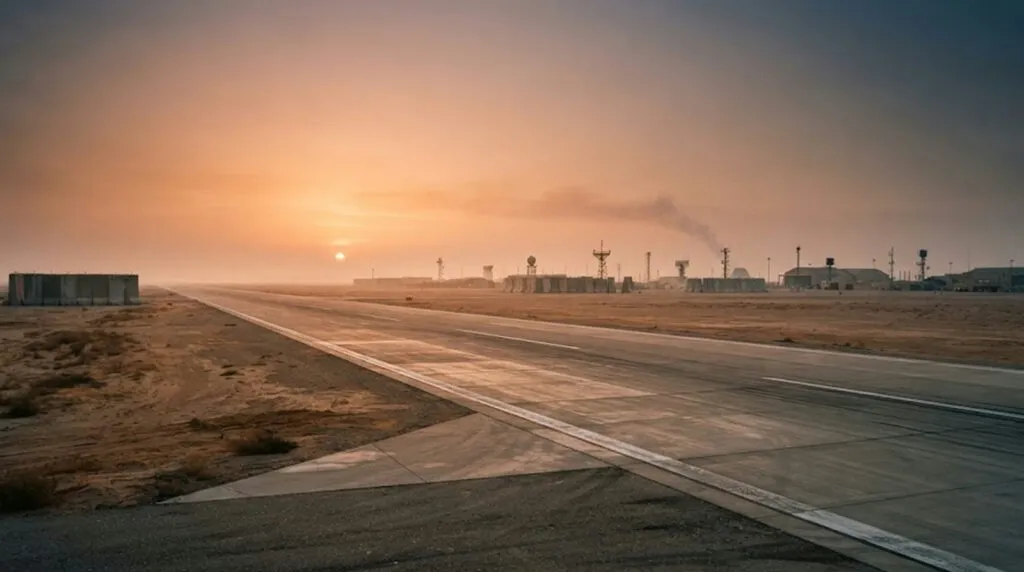
Iran responded. Ballistic missiles landed on American bases in Iraq and Jordan, and the trigger was what happened the previous night in the Iranian town of Sirik - an American missile hit a house where a wedding was being held. Four people were killed, one of them a child. More than 50 were injured, according to the Iranian Red Crescent.
US Central Command said its strikes were a response to "attempted attacks" by the Revolutionary Guard on commercial vessels in the Strait of Hormuz. The Iranian Guard responded with a promise that the Americans would regret it. It responded literally too - the Iranian agency Tasnim reports that early in the morning ballistic missiles hit an American marine base in Aqaba, Jordan.
The Jordanian army said it intercepted 13 ballistic missiles. Ten were destroyed, three fell in uninhabited areas. Nobody was killed. The National Security Council warned of possible debris over Aqaba and Mafraq, then withdrew the warning. The Kuwaiti military activated its air defences, and Iranian state media report several explosions in Bahrain.
When "we never target civilians" meets four coffins
Captain Tim Hawkins of Central Command said the American military "never targets civilians, unlike the Revolutionary Guard." The sentence is as old as war itself. The problem is that the family in Sirik was not on a battlefield - they were at a wedding. Whatever the official wording afterwards, four dead at a celebration are not a statistical error; they are the consequence of a decision made somewhere very far from that house.
Trump warned on Tuesday that Iran would be hit "much harder and at a higher level" if it retaliated. Iran retaliated. Now everyone is waiting to see what "a higher level" means in practice - while the Strait of Hormuz, through which part of the world's oil passes, has for months functioned as a valve somebody keeps tightening and releasing.
The memorandum expired, and everything picked up where it left off
This round did not begin yesterday. The major US and Israeli strikes came on 28 February, Tehran answered with attacks on Israel, American bases and the Gulf allies, and effectively closed the strait to maritime trade. In June the two sides signed a memorandum extending the ceasefire. The memorandum expired. Hostilities resumed exactly as they had been left - strikes on ships from both sides, an American naval blockade of Iranian ports.
On 24 August Washington announced new sanctions aimed at isolating Tehran further, and Treasury Secretary Scott Bessent said many partners had called of their own accord to say they would do "whatever it takes." Iranian officials dismissed that as a continuation of the same economic policy and an admission of military failure. President Masoud Pezeshkian said Iran would return to the agreements if the other side did the same.
The pattern is familiar: a document is signed, a ceasefire is declared, everyone waits for the deadline to run out, and then they all continue from where they stopped. The Balkans knows this scene by heart - a truce that lasts exactly as long as both sides need to regroup. The question is not whether there will be another round, but how long the pause will last.
The latest 10 news from this category
Zelensky warned airlines and insurers that Russian airspace would de facto close. Putin answered with a sentence that shuts every...
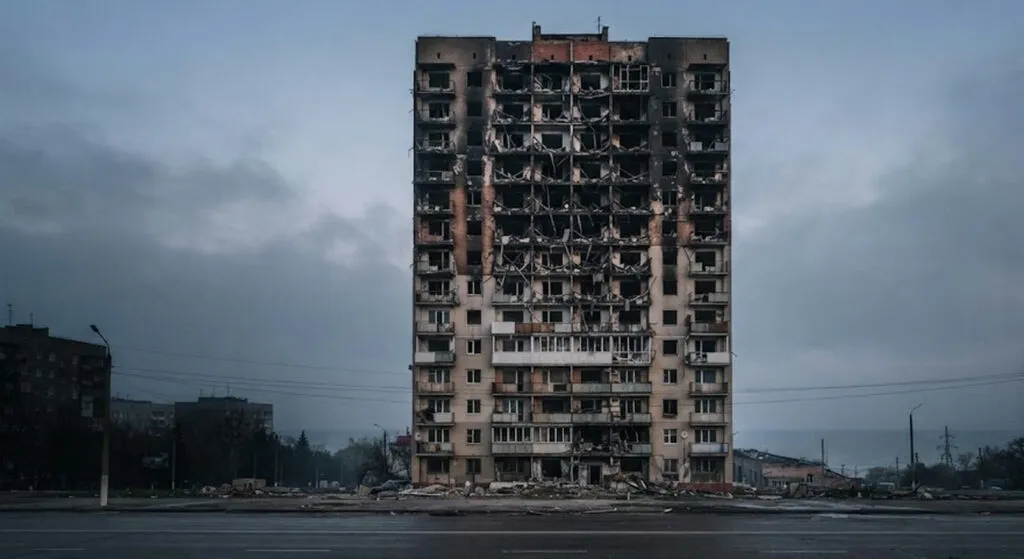
The Banderol costs less than the interceptor sent to shoot it down. When the arithmetic looks like that, the war...
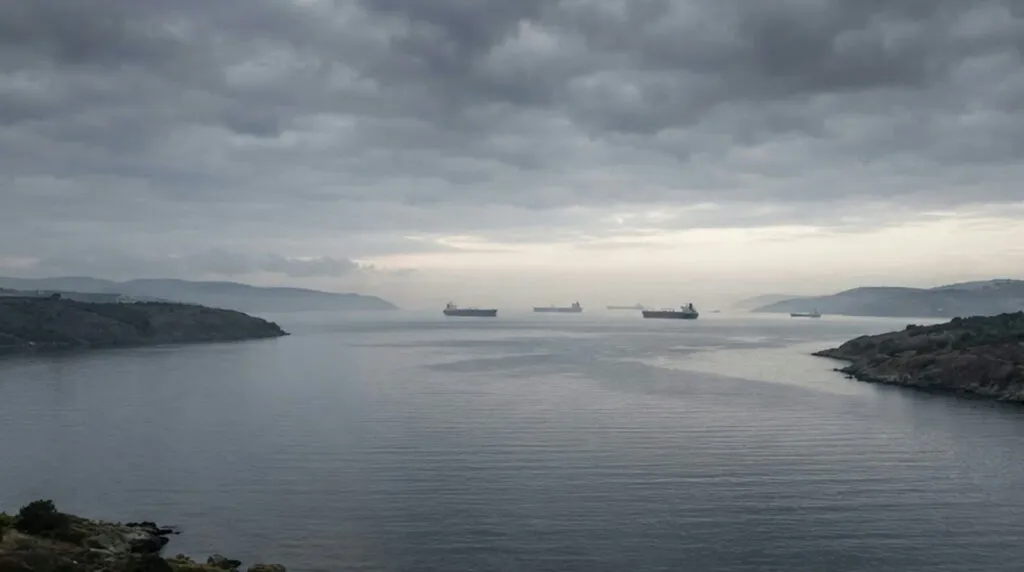
Iran launched missiles at two US bases in Jordan. The Revolutionary Guard says the damage is extensive, Jordan says everything...
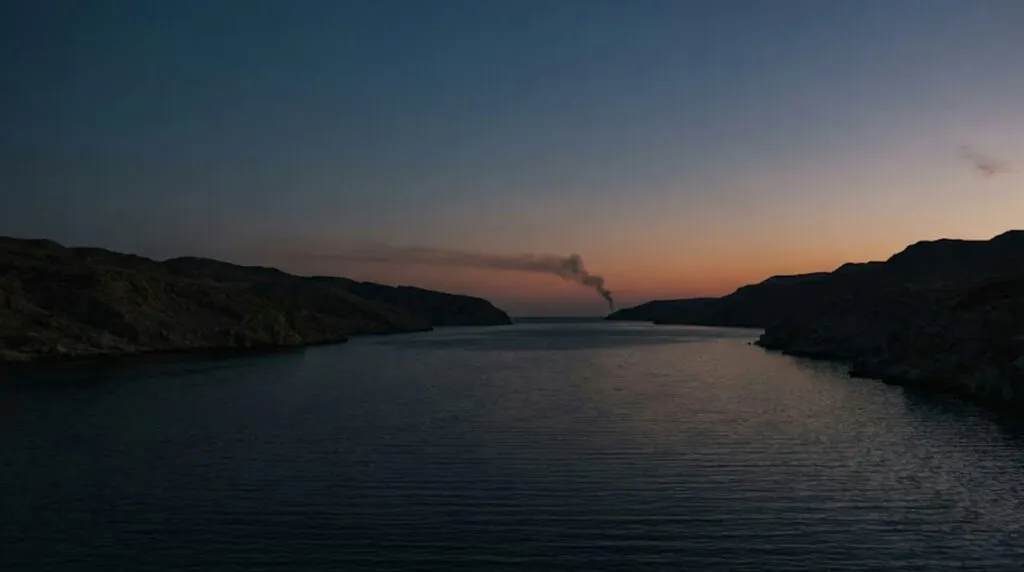
Two missile launchers on a small island broke a month of quiet. The Revolutionary Guard promised the "aggressor will be...
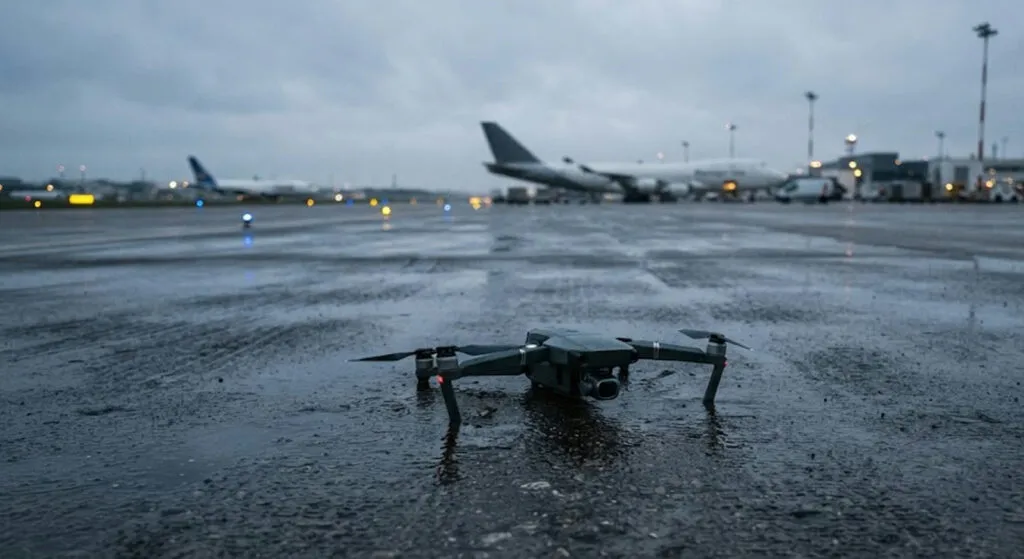
Three drones, 50 grams of hexogen and one cargo airport through which aid for Ukraine travels. The Americans already said...

When diplomacy moves out of ministries and into intelligence services, it means the official channels stopped delivering long ago. Three...
The state is collecting relatives' addresses, the army is rehearsing reception and arming, and the words wartime appear in the...
Two months ago the same mistake cost eight lives, followed by dismissals and promises of severe punishment. Now the number...

The night Kyiv's air defence ran at ninety percent success and it still was not enough. The tactic has changed:...
Analysts claim that Putin, squeezed by the economy and a shortage of soldiers, is weighing an attack on a NATO...
This site uses cookies - is that okay? Learn more
Be the first to know when Metla launches something new
Leave your email and we will write when there is a new guide or something new on Metla.
