

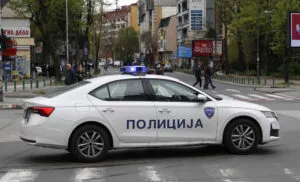
A week after the police brutality story, the Interior Ministry has its own version: the passenger took the officer's gun
15.10.2026


15.10.2026

15.10.2026
15.10.2026
15.10.2026
15.10.2026
15.10.2026

15.10.2026

14.10.2026

13.10.2026

15.10.2026
15.10.2026

14.10.2026
15.10.2026
15.10.2026
15.10.2026

15.10.2026

14.10.2026

13.10.2026
15.10.2026

15.10.2026
15.10.2026
15.10.2026
15.10.2026

15.10.2026

15.10.2026

14.10.2026

13.10.2026
13.10.2026

12.10.2026

10.10.2026

23.04.2026

23.04.2026

12.04.2026

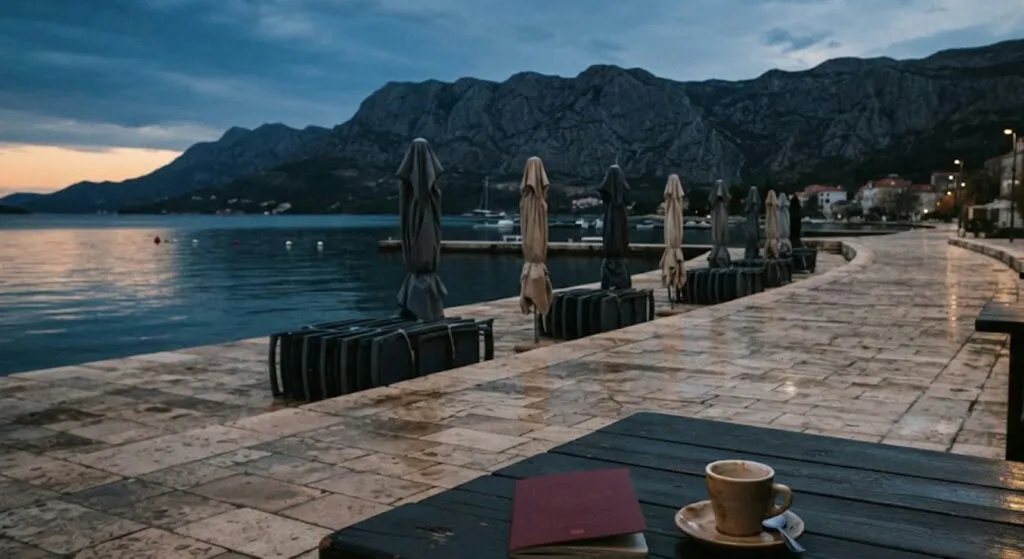
From November 1, Russians will no longer be able to enter Montenegro on a passport alone. Moscow didn't wait a single day to respond: Russian Foreign Ministry spokeswoman Maria Zakharova announced that Montenegrins will also have to get visas for Russia. A mirror-image move, without much diplomatic decoration.
Everything is going by the book. On September 28, Montenegro's Foreign Ministry formally notified Moscow that the agreement on mutual travel by citizens, signed on September 24, 2008, was being terminated. Until October 31, Russians can still stay in the country visa-free for up to 30 days. After that - the consulate counter.
Podgorica justifies the decision by its obligation to align its visa policy with European Union rules, one of the conditions in the membership talks. The government had already announced a gradual end to visa-free travel for all countries whose citizens need a visa to enter the EU. In other words: if you want into the club, you accept the rules at the door.
Zakharova didn't mince her words. "For the sake of hopes of a European future, the results of many years of work on Russian-Montenegrin relations are being systematically destroyed, and the economic consequences of such steps are not being given due attention," she told the newspaper Izvestia. Her message to Podgorica is sharper still: it is pointless for the Montenegrin authorities to count on Brussels compensating for the inevitable losses.
The numbers really aren't small. According to figures the Montenegrin government published earlier, around 230,000 Russian tourists visit the country every year, and Russian nationals are among the most numerous foreigners with legal residence. Russians also have a significant presence in the local property market. Zakharova warns that visas will inevitably cut tourist numbers, hit Montenegrin businesspeople and worsen the investment climate.
Here is a dilemma the Balkans know by heart. A small country has to choose between the promise from Brussels and its ties to the East, and whichever side it picks, someone will tell it it got it wrong. Moscow says Montenegro is sacrificing its own interests; Podgorica replies that it is simply doing its EU homework. Who will feel this first - the diplomats or the hoteliers on the Montenegrin coast? And will the other countries in the region waiting at the EU's door also have to close their visa doors to Russia one day?
The latest 10 news from this category
Belgrade counted Croatian articles about Vučić and declared election interference. Meanwhile Vučić's campaign ad is almost a copy of a...
Batons, pepper sprays, balaclavas and a hundred-odd revolvers in Ćacilend, a salary for no work and cash from the city...
Belgrade has refused to sanction Moscow for years, and now Vučić claims even the US no longer fully enforces sanctions....
Of the four questions only one is binding, and the one that matters most to people from the former Yugoslavia...
Since the start of 2025 Republika Srpska has spent over four million dollars on lobbyists close to Trump. When that...
Tiny Montenegro detained the man whose project Washington offered up to 10 million dollars for information about, and is expelling...
The Hague tribunal sentenced Slobodan Praljak to 20 years, he poisoned himself in the courtroom, and eight years later a...
Serbia isn't mentioned by name, but everyone knows who it's about. And the list of conditions for Balkan candidates has...
The White House says lifting the sanctions averted a catastrophe, but won't say what kind. A company founded four days...
The bookmakers have him at 1.20 to become prime minister, and he wants more than 50 percent of the vote....
This site uses cookies - is that okay? Learn more
Be the first to know when Metla launches something new
Leave your email and we will write when there is a new guide or something new on Metla.


