


Two Schoolyard Assaults Reported in a Single Day: the Police Promised Measures, the Education System Said Nothing
19.09.2026


19.09.2026
19.09.2026
19.09.2026

19.09.2026
19.09.2026
19.09.2026

19.09.2026

18.09.2026

17.09.2026

19.09.2026

19.09.2026

18.09.2026

19.09.2026

19.09.2026

19.09.2026

19.09.2026

18.09.2026

17.09.2026

19.09.2026

19.09.2026

19.09.2026
19.09.2026

19.09.2026
18.09.2026

09.03.2026

27.02.2026

19.02.2026

19.09.2026

18.09.2026

17.09.2026

23.04.2026

23.04.2026

12.04.2026

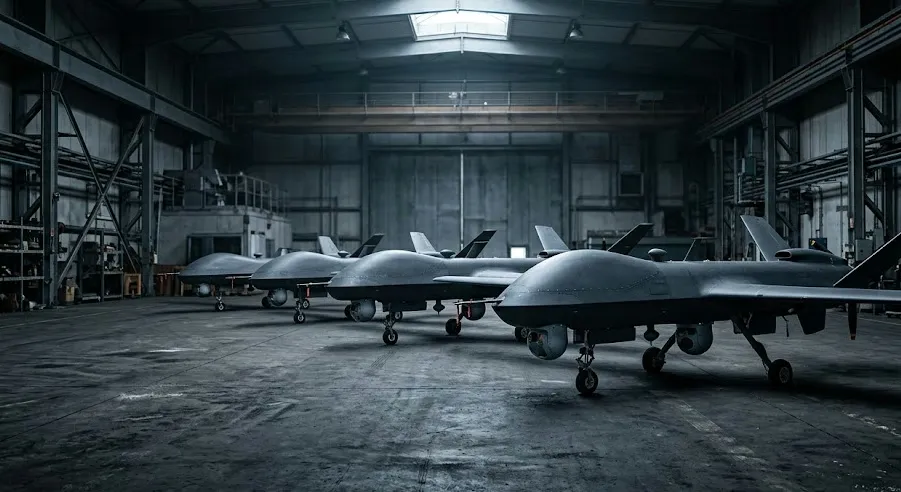
Russia has announced it will publish the addresses of facilities in Canada that it claims produce or assemble drones for Ukraine. Behind the diplomatic vocabulary hides something far more direct - a message that Moscow considers these locations legitimate military targets.
The spokeswoman for Russia's Foreign Ministry, Maria Zakharova, said Moscow "won't ignore Canada's participation in supplying Ukraine with unmanned aerial vehicles." According to her, it's a matter of "part of the military infrastructure that works directly for the front," not ordinary industrial capacity. Russia, she added, reserves the right to a "corresponding response" to Ottawa's moves.
The logic is clear and chilling in its simplicity: if a factory makes weapons used against Russian territory, that factory, in the Russian reading, ceases to be a civilian object. Moscow has already applied the same tactic with European companies - the threat to publish addresses is a form of pressure moving on the line between diplomacy and an open threat.
It's worth recalling what here is fact and what is rhetoric. The fact is that Canada really does help Ukraine - training, ammunition, equipment, drones. The rhetoric is the Russian framing that this has made Ottawa a legitimate target. Between those two things lies a vast legal and moral difference, which Moscow deliberately blurs. Minister Sergey Lavrov went further still, claiming the West "buried" European security systems once it renounced arms-control treaties.
For the Balkans, who remember all too well what it means when civilian sites become "legitimate targets," statements like these aren't just distant news from the eastern front. They're a reminder of how easily the language of war shifts the boundaries of what's allowed - first in words, and then, if no one reacts, in deeds.
The latest 10 news from this category
Around 8,500 North Korean soldiers are still in Russia, among them 1,000 engineers and 400 drone operators. Estimates point to...
The unit was running, the operating regime did not change, there was no fire. The difference between a news item...

The bill passed with 262 votes, and the key to it has been handed to a man who has already...
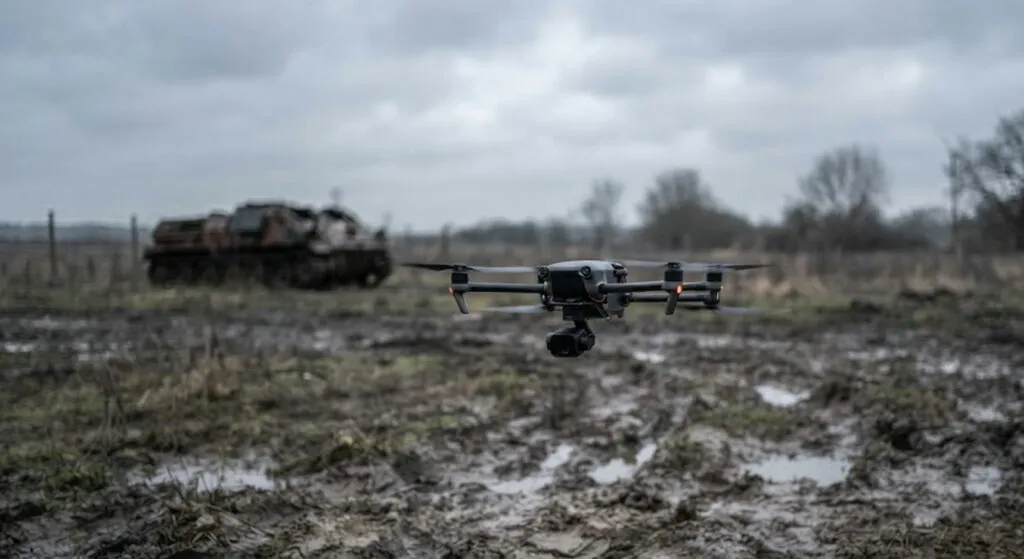
Ukraine adapts in weeks, the Alliance in decades. Europe is paying for Patriot systems from 1991 and is only now...
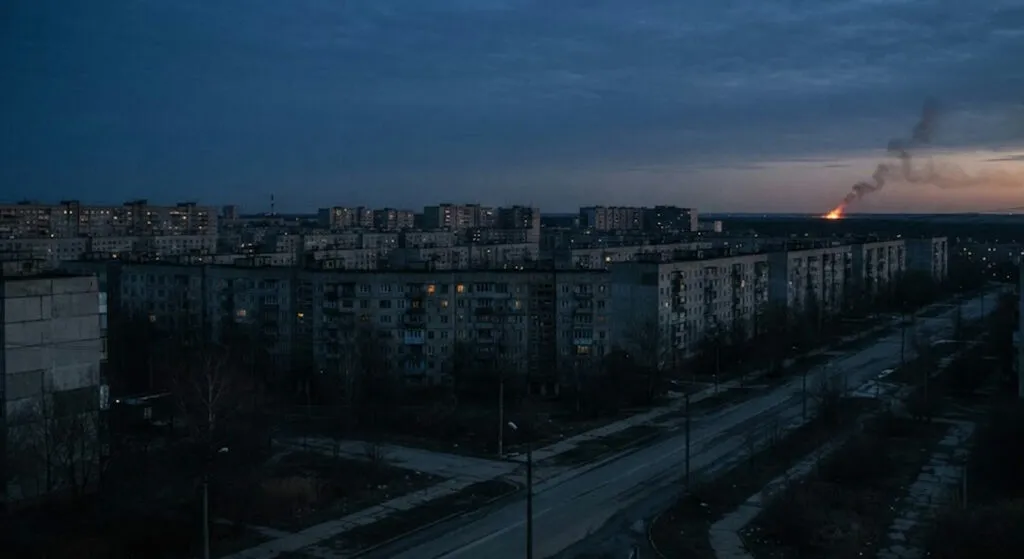
Missiles and drones on the Ukrainian capital, damaged water mains and residential buildings. The same night, Ukrainian drones set the...

Trump hopes the war is ending and is preparing to gather the Gulf leaders. Oil prices have jumped, and the...

Ukraine says when, where and which unit did it. Russia's defence ministry has not a single sentence about the circumstances....
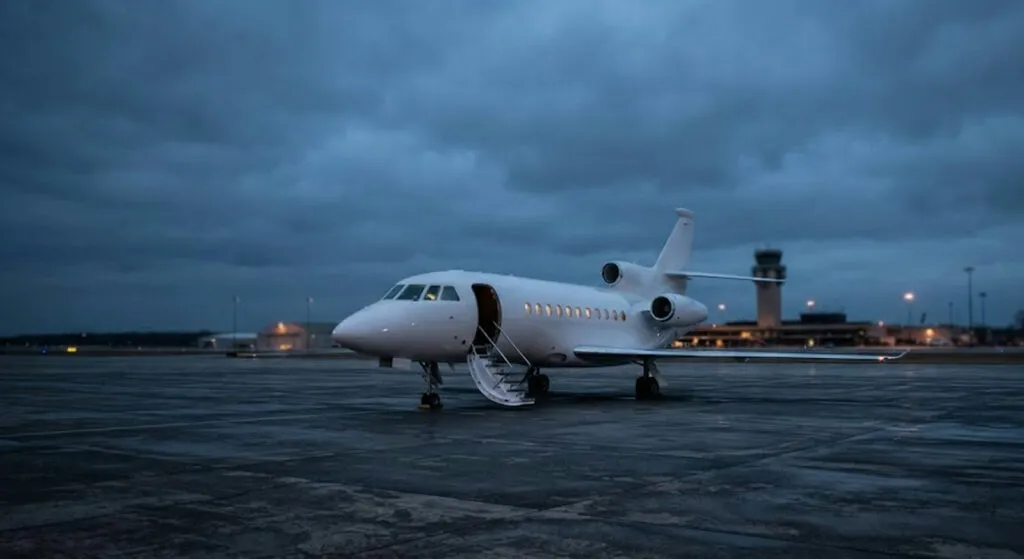
Norway's prime minister talks about a plane a drone "almost hit". Moldova, the only party holding the figures, reported that...
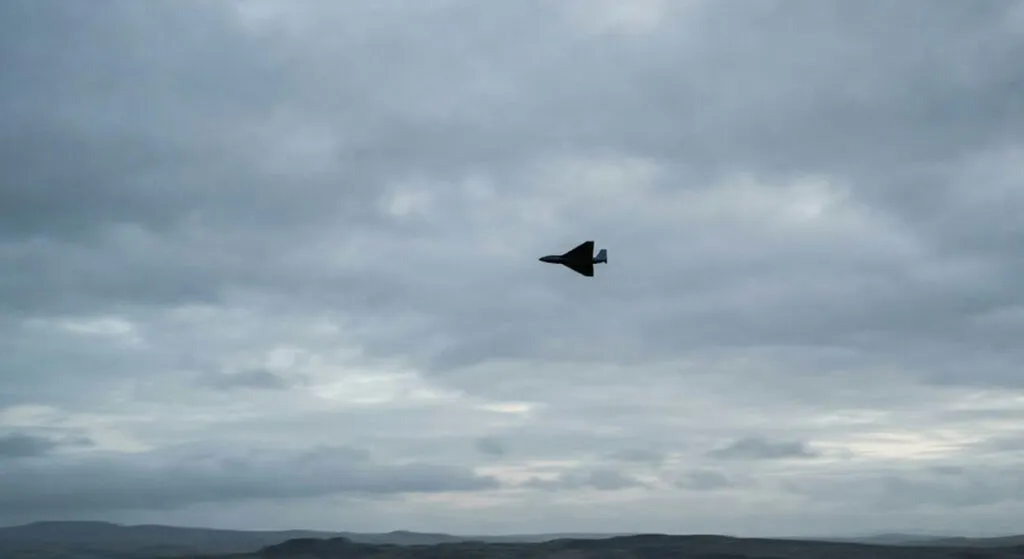
Ukraine was shooting down nine out of ten of the old drones. Then Russia changed the drone - and in...
It was shot down a few minutes after midnight, and all of Vilnius got a warning on their phones. Two...
This site uses cookies - is that okay? Learn more
Be the first to know when Metla launches something new
Leave your email and we will write when there is a new guide or something new on Metla.
