

Kratovo man stabs police officer mid-intervention: prosecutors want the 40-year-old detained
15.09.2026


15.09.2026

15.09.2026

15.09.2026

15.09.2026

15.09.2026

15.09.2026

15.09.2026

14.09.2026

13.09.2026

15.09.2026

15.09.2026

14.09.2026

15.09.2026

15.09.2026

15.09.2026

15.09.2026

14.09.2026

13.09.2026
15.09.2026

15.09.2026
15.09.2026

15.09.2026

15.09.2026

14.09.2026

09.03.2026

27.02.2026

19.02.2026

15.09.2026

14.09.2026

14.09.2026

23.04.2026

23.04.2026

12.04.2026

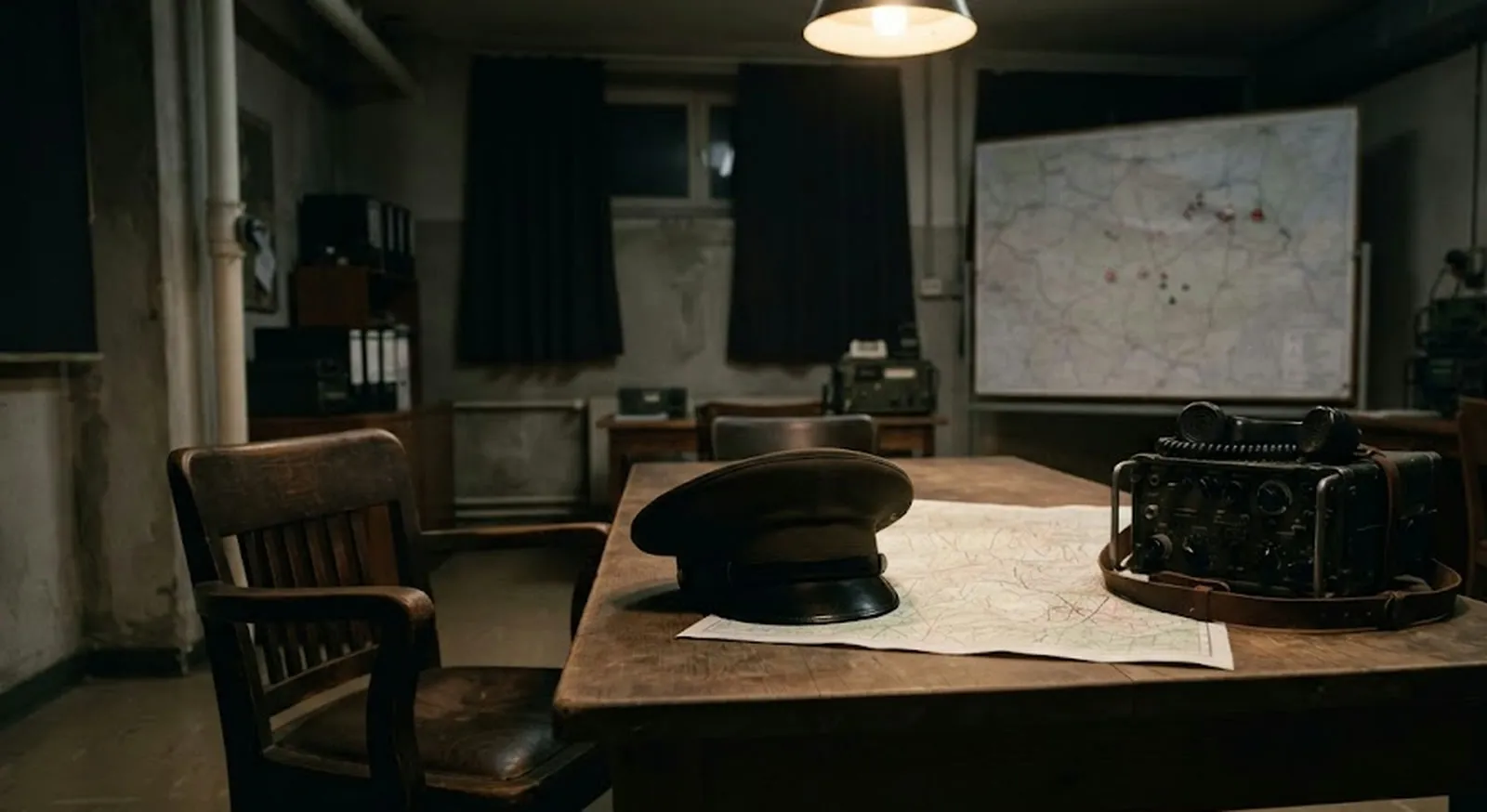
Ukraine has a new man at the head of its army, and he ended his first public appearance with a sentence that says more than the whole programme behind it: „Glory to the nation. Death to the enemies.” Major General Mykhailo Drapatyi, 43, took over command of the Armed Forces of Ukraine - and immediately set a tone that echoed far beyond Kyiv.
Drapatyi replaced Oleksandr Syrskyi. He previously led the ground forces and headed the Joint Group of Forces, so he is no unknown name in the Ukrainian military hierarchy. He published his first message on Facebook, with thanks to President Zelensky and the defence minister, promising responsible service aimed at the welfare of the soldiers.
But it was not the gratitude that drew attention. The closing phrase is historically linked to radical Ukrainian nationalist movements, and Russian media immediately seized on it as proof of who they are dealing with. In an information war where every word is ammunition, a general does not choose by chance how to end his first statement.
The change did not come in a vacuum. Syrskyi's dismissal followed days of protests in Kyiv demanding his departure and the return of the sacked defence minister Mykhailo Fedorov. When people take to the streets in the middle of a war to demand a change of the general staff, that is no ordinary personnel move - it is a political crisis in uniform.
Zelensky admitted that Fedorov and Syrskyi had failed to solve the problems of coordination and the existing difficulties on the front, in the brigades and in the mobilisation system. In other words, the top of the army is changing because things on the ground are not working. And this is the biggest reshuffle of the military command since the war began.
For an outside observer from the Balkans, who knows all too well what it looks like when the army and politics become entangled, the picture is familiar. Generals who come and go, protests that push out reshuffles, slogans that call for blood - that is not the sign of a state that controls events, but of a state trying to catch up with them. The question is whether the new man will change that, or will simply inherit the same frozen front.
The latest 10 news from this category
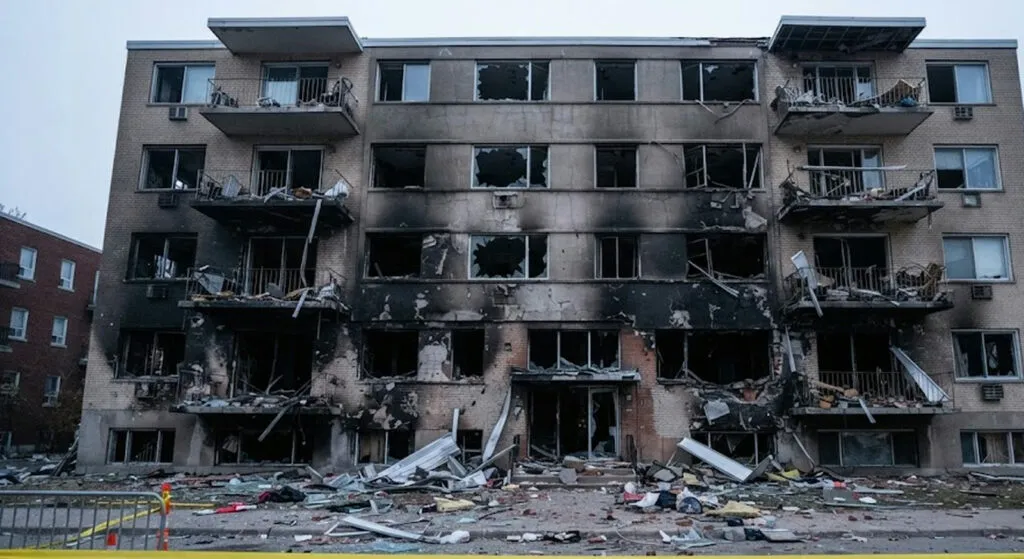
Residential buildings, a kindergarten and an Orthodox church damaged in Russia's largest Black Sea port. Four dead and 29 injured...
When there are no air-to-air missiles left, what remains is a 20mm cannon - and that means the pilot has...

In public - constructive talks. In private, according to an MP in the Verkhovna Rada, the envoys arrived with tougher...
Not next month - 2027. A president planning air defence for the period after peace says more about the peace...

The sky above a capital is safe exactly as long as there are American negotiators inside it. That is not...

Two American envoys entered the Kremlin with a document nobody outside that room has read. A three-day pause over Kyiv...

From midnight until 8 September the Ukrainian army is under orders not to fire. Except a truce is when both...

Zelensky warned airlines and insurers that Russian airspace would de facto close. Putin answered with a sentence that shuts every...
The Banderol costs less than the interceptor sent to shoot it down. When the arithmetic looks like that, the war...

First they would not give missiles, then they gave them with rules on where they could be fired, now they...
This site uses cookies - is that okay? Learn more
Be the first to know when Metla launches something new
Leave your email and we will write when there is a new guide or something new on Metla.
